Shortcuts

Working towards a wilder world
Published in
Following successful careers, entrepreneurs Kristine and the late Douglas Tompkins began restoring lost ecosystems, helping them flourish far into the future. Through its Perpetual Planet Initiative, Rolex supports their progressive legacy of rewilding the Southern Cone of South America.
All episodes
Episode 1 – 2023
A wild idea
Episode 2 – 2023
Chile bounces back
Episode 3 – 2023
Healing Argentina’s ecosystems


A legacy of conservation
When Kristine Tompkins and her late husband Douglas Tompkins left the corporate world for the extraordinary wilderness of southern Chile, they started a trailblazing conservation journey that has protected millions of hectares across the southernmost country in the world and its neighbour, Argentina. In 1991, they began purchasing threatened and degraded land whose future they could rewrite. With help from local scientists and volunteers, they took these landscapes, devoid of their once rich biodiversity, and started to restore them with the eventual view of donating the land to the countries as national parks. “Once we understood that we could change the outcome of these territories in the long-term, that’s what motivated us,” Tompkins says.

Tompkins Conservation has since created two offshoots, Rewilding Chile and Rewilding Argentina to facilitate its work in the two countries. Rolex supports these environmental pioneers as they regenerate ecological communities that can continue in perpetuity.
Once we understood that we could change the outcome of these territories in the long-term, that’s what motivated us.

A cascade of hope
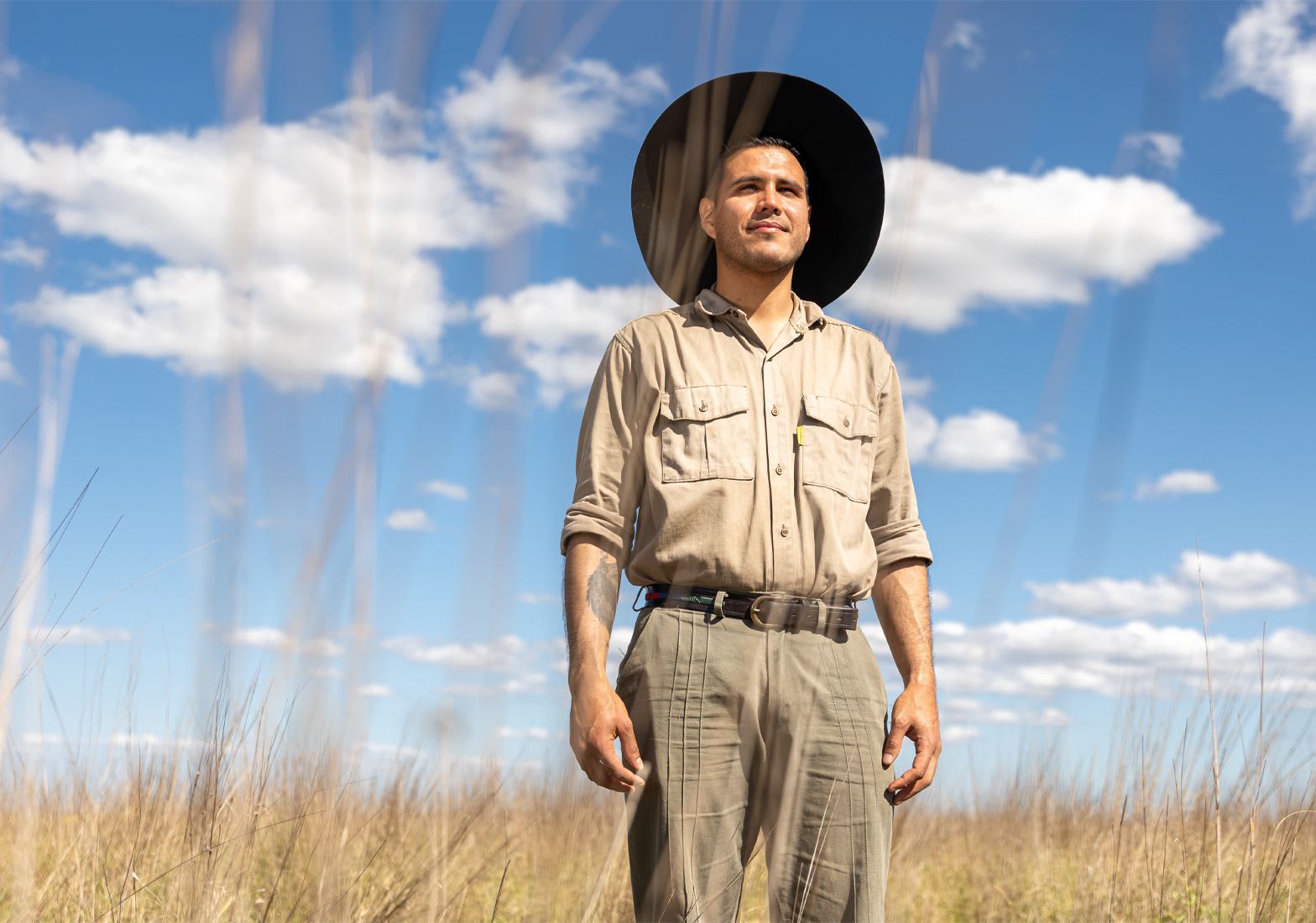
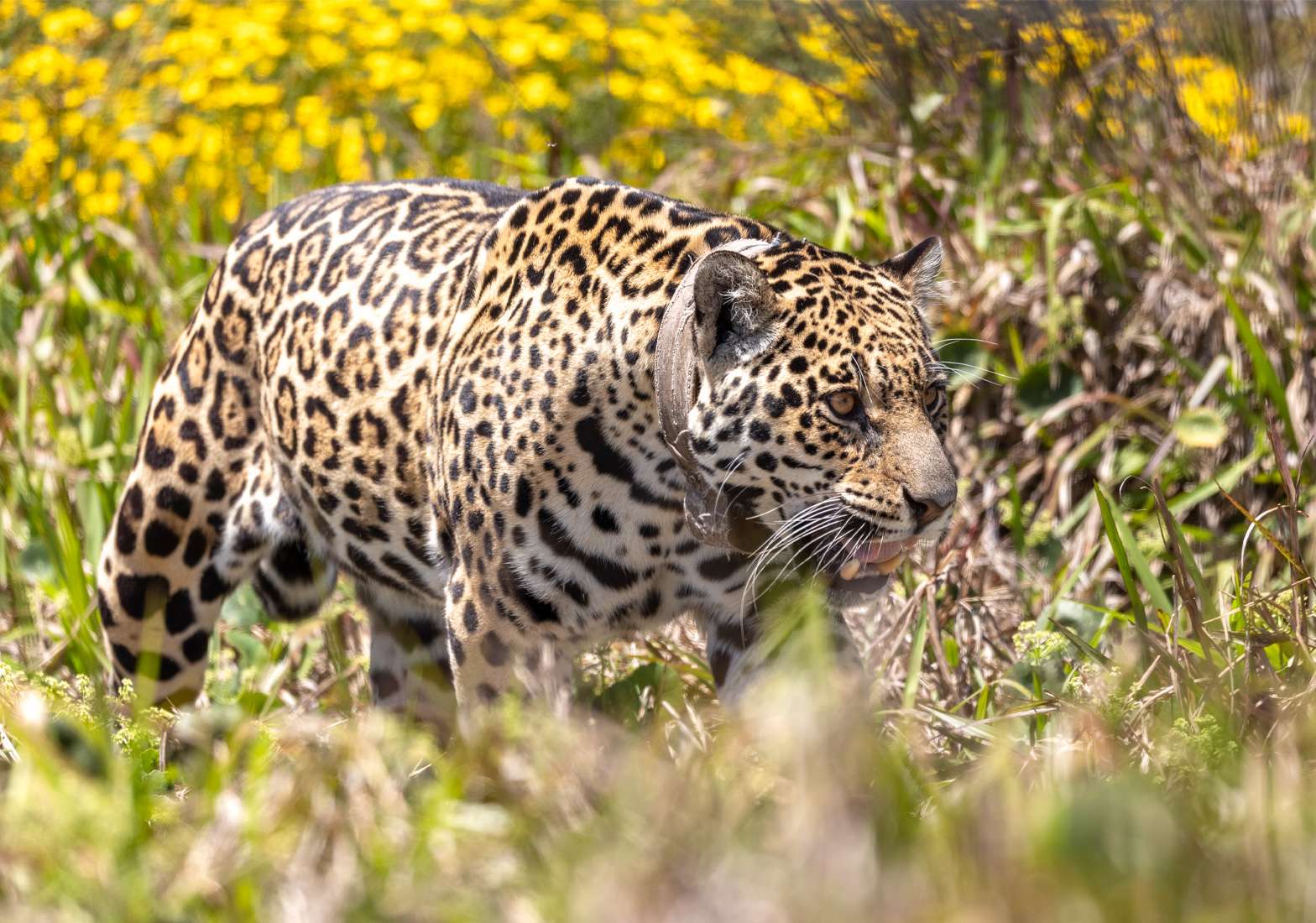
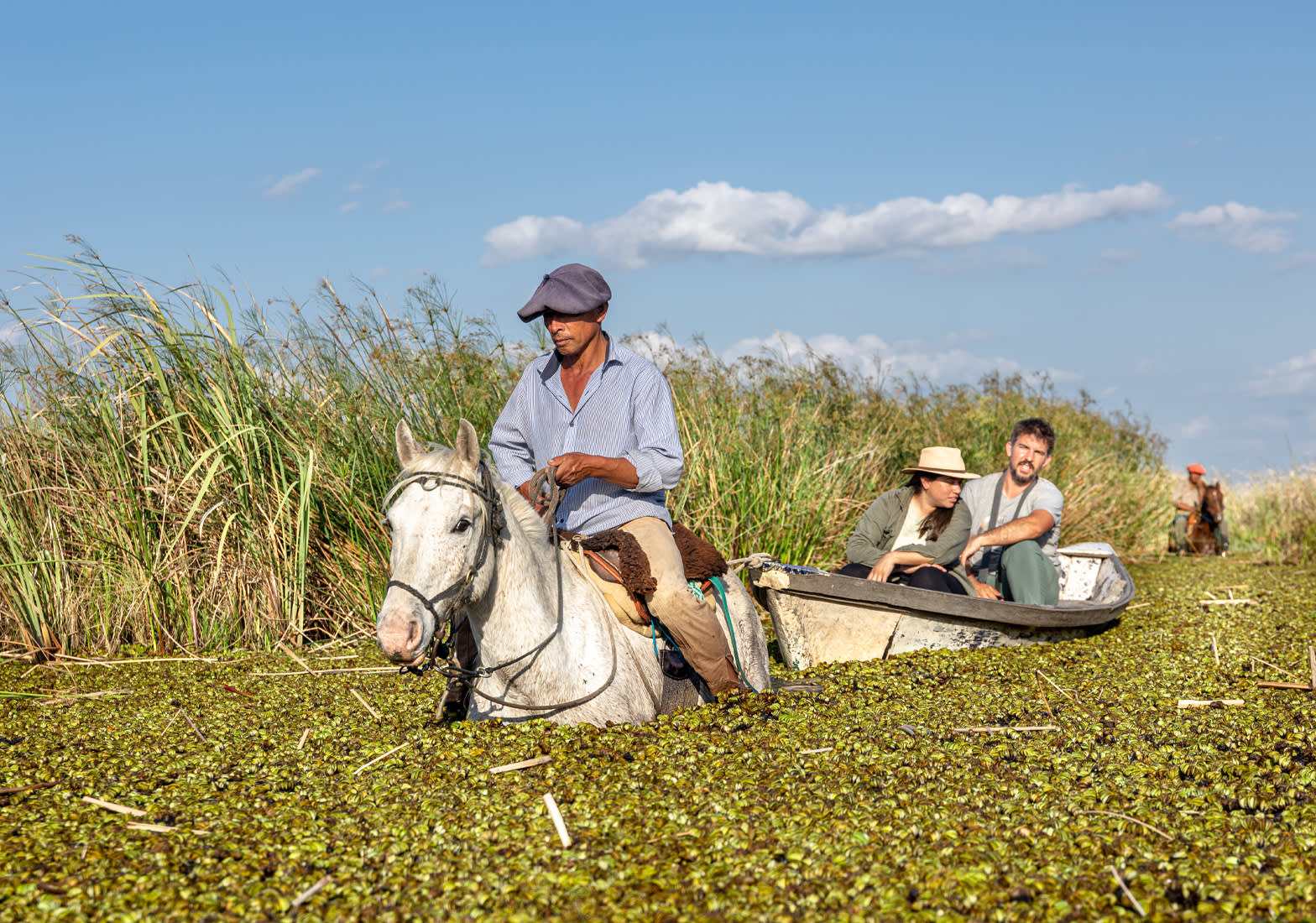
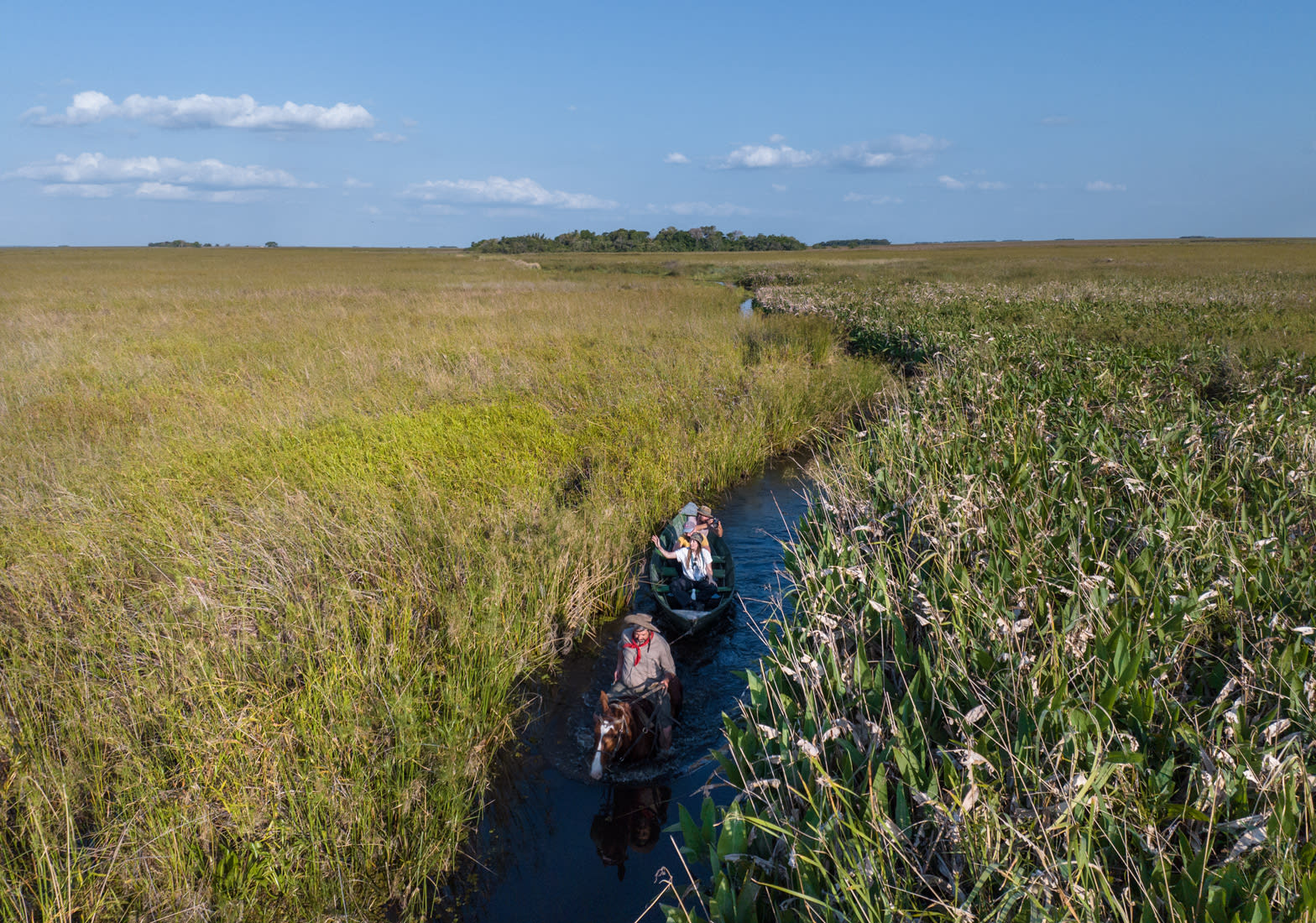
Pablo Guerra Aldazabal smiles excitedly as he watches a jaguar cross his computer screen, carrying its cub. Caught on one of the camera traps placed around Iberá National Park in north-eastern Argentina, it represents a moment of accomplishment in a long and challenging quest to bring back the large cat to the area after more than 70 years.

Decades of cattle ranching and over-exploitation had severely degraded the Iberá wetlands. Many native plant and animal species were driven to extinction. “Ranchers were working to take away all the competition and the top predators,” explains Sofía Heinonen, Executive Director of Rewilding Argentina. “The jaguar was seen at that time as a threat for the cattle.” After years of work there are now at least 12 jaguars that are completely wild, and the Rewilding Argentina team now expects a baby boom, but Guerra Aldazabal still recalls how momentous the first release was. “It was something I had been dreaming about for years. That day we made history.”

When the Tompkins first visited Iberá, the world’s second-largest freshwater wetlands, they recognized the need to go beyond preserving what remained, to reintroduce native species. “We are in the business of creating fully functional ecosystems,” Kristine Tompkins points out. To rebuild most efficiently, key species are brought back that naturally regulate the environment and encourage the return of other wildlife. Top predators, such as jaguars, have a cascading effect that brings balance to the local ecology.
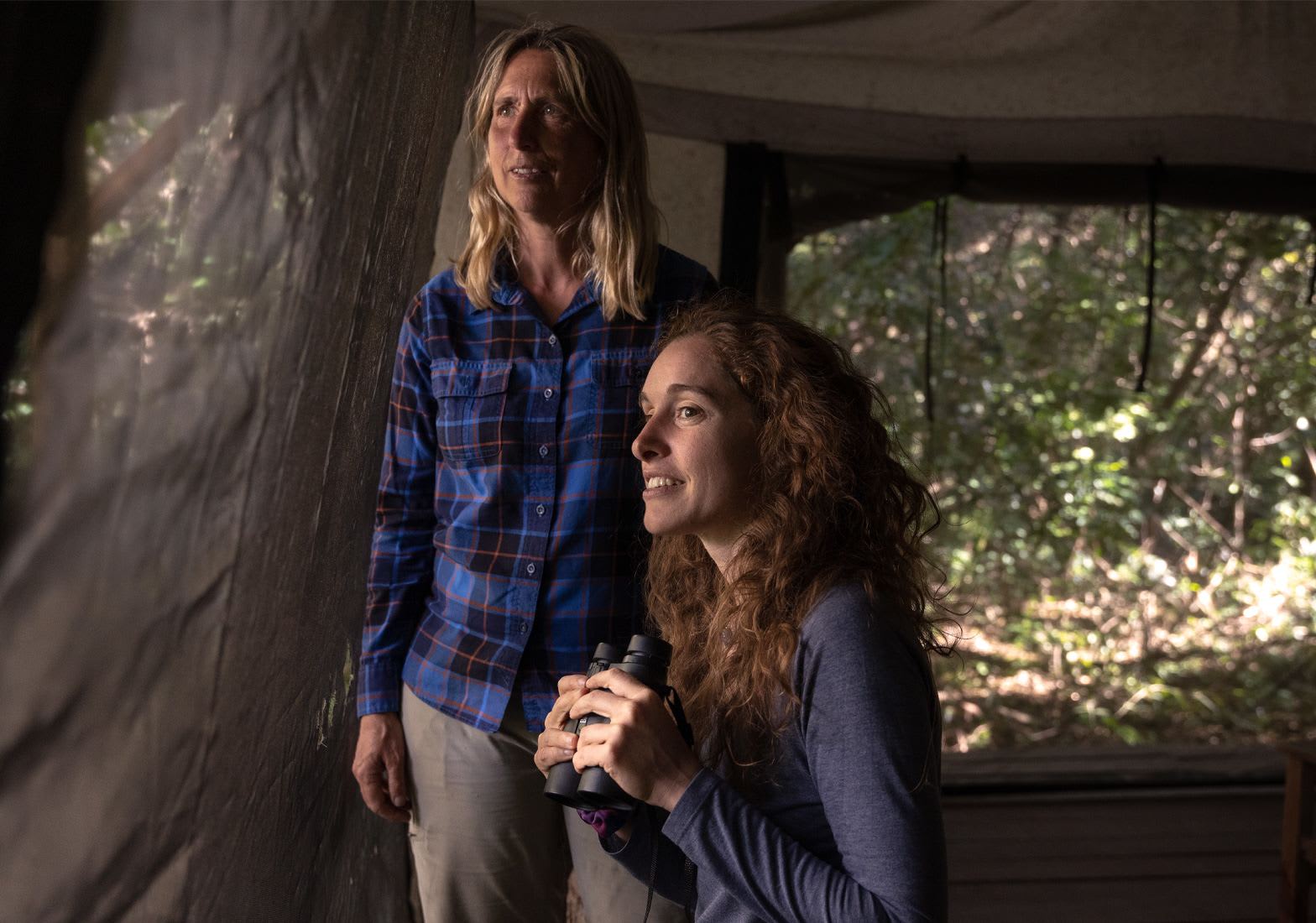
In the case of Iberá, Rewilding Argentina identified several species that needed to be brought back. “Everything is connected, all the species matter in an ecosystem. Here in Iberá National Park, we are reintroducing and working with 10 different species. Each one has a different role,” says Sebastián Di Martino, the organization’s Conservation Director.

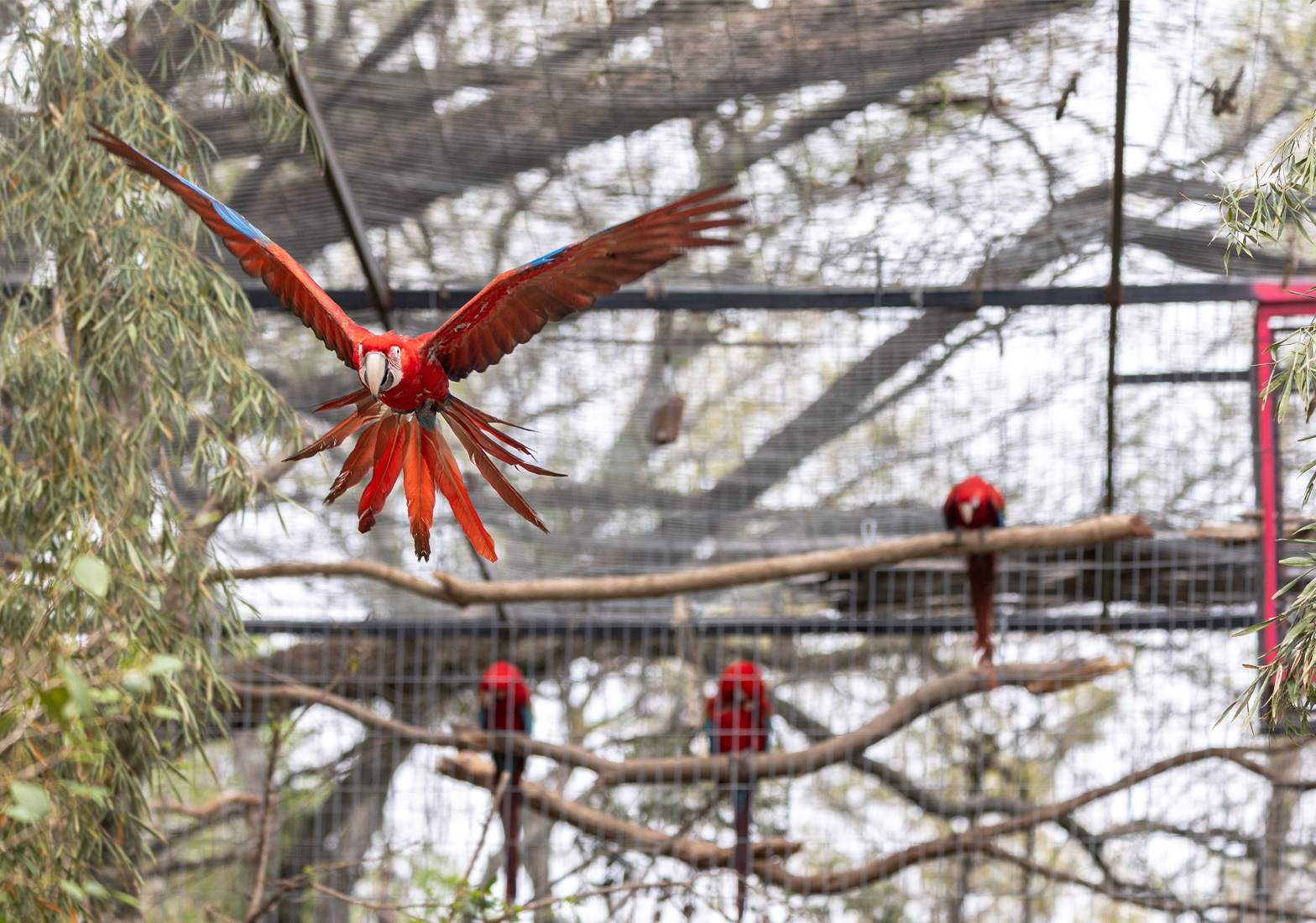
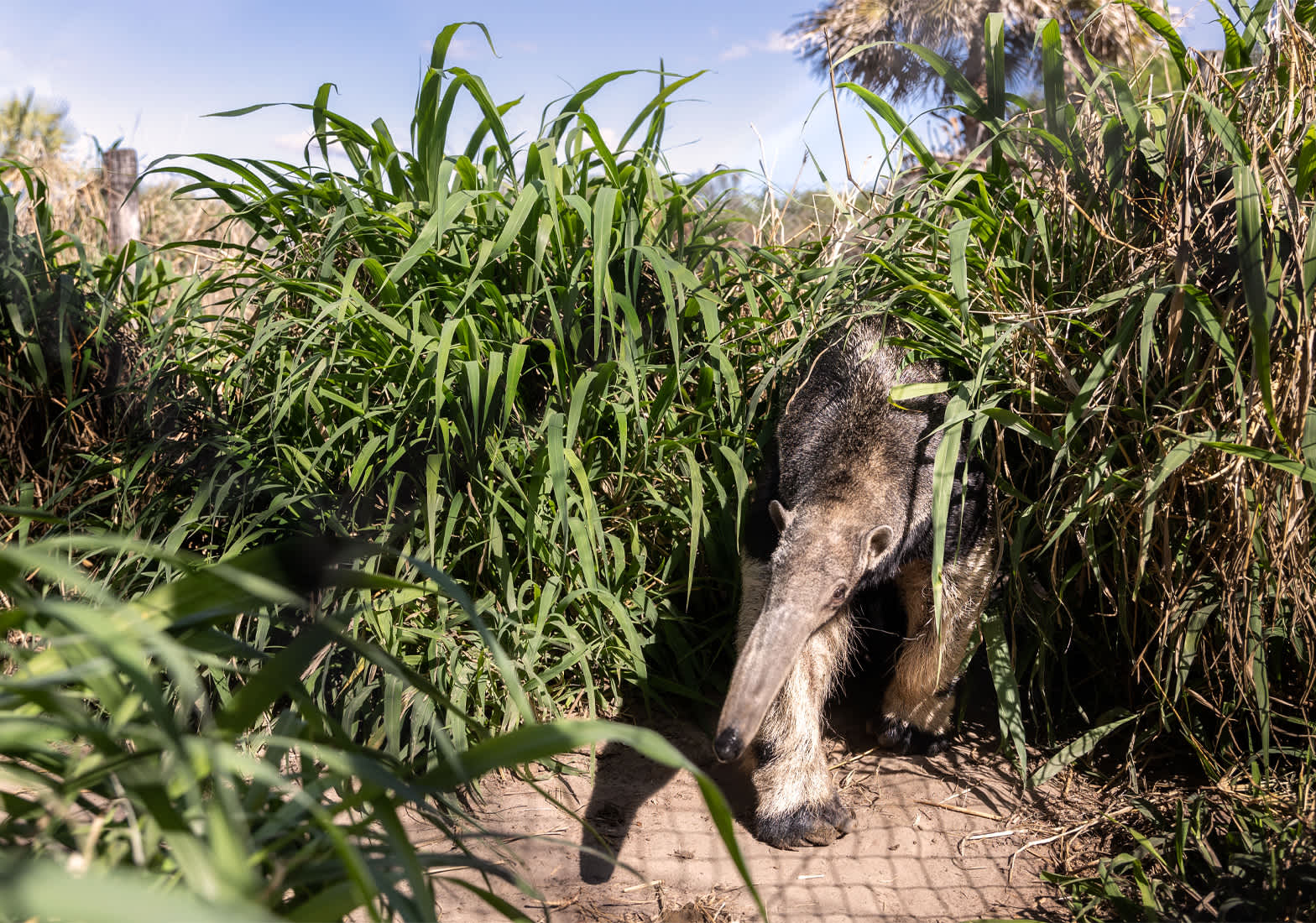
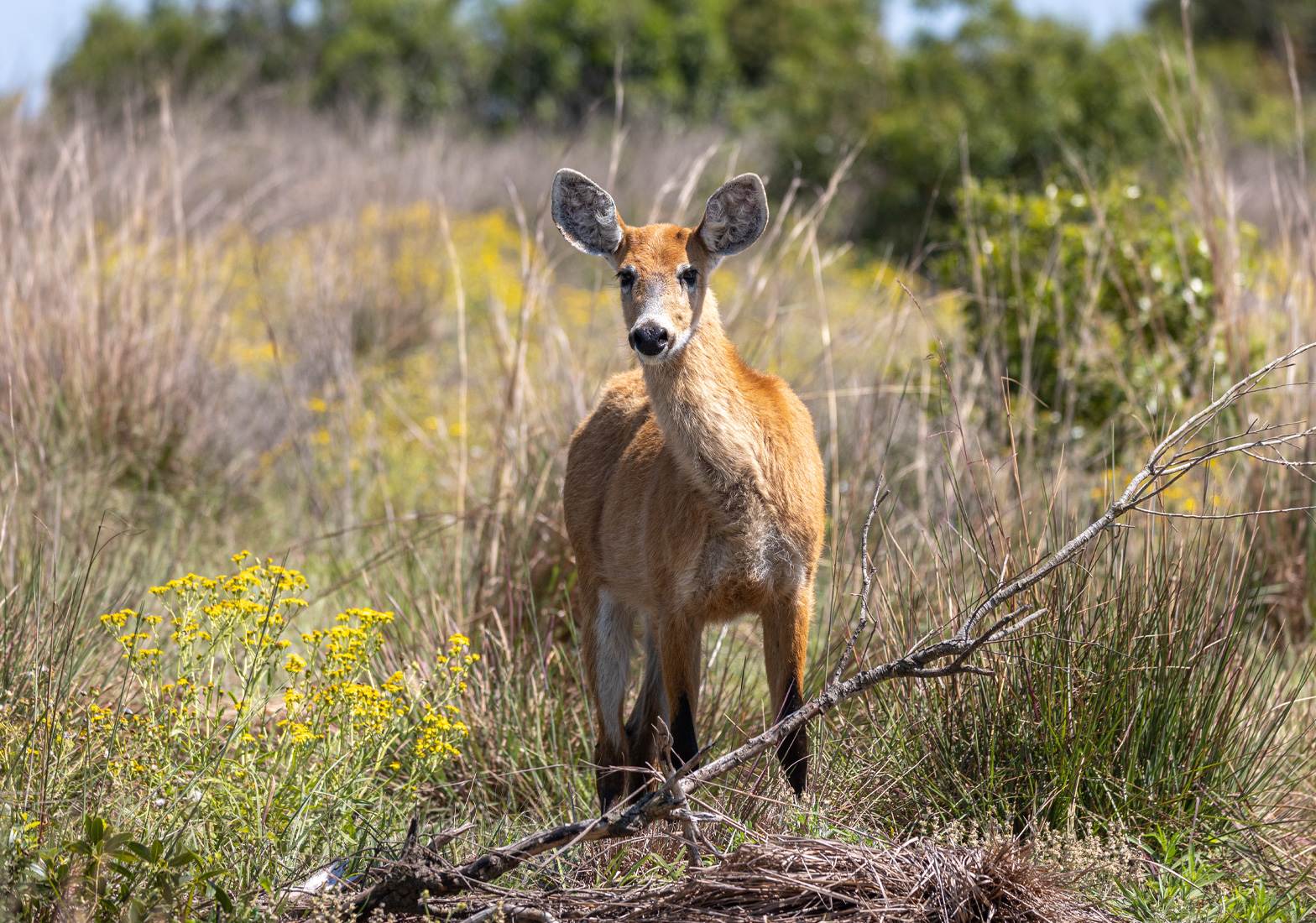
First to be introduced was the giant anteater, which, like the jaguar, had become extinct in the Iberá wetlands. As numbers of the largest member of the anteater family rose to the hundreds, the team kept the countless ant species in check and helped the grasslands and forests to recover. Then came pampas deer and red-and-green macaws, soon to be joined by ocelots and giant otters, all of which play a critical role in re-establishing Iberá’s ecosystem, from acting as landscape engineers to spreading seeds. The team hopes all of these key species will reach self-sustaining populations and continue to do their vital work for hundreds, if not thousands, of years to come.

A sustained commitment
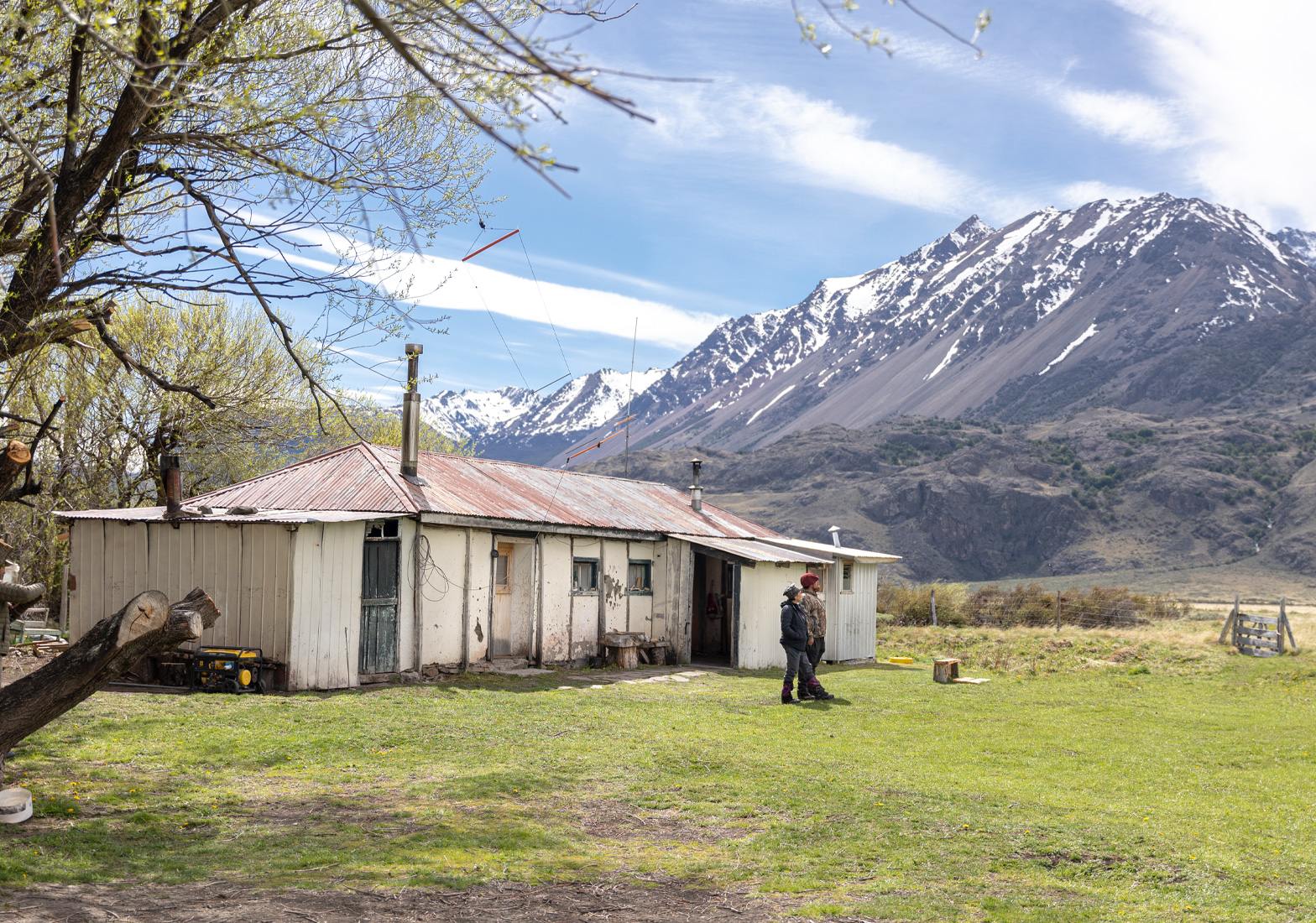
There is a similar picture in the Patagonia Steppe in Chile. What is now a rugged and robust environment was once home to extensive livestock farming that had left the land heavily degraded before it was purchased by the Tompkins and turned into a national park. “We have some areas that were mostly eroded, so it was just dust,” recalls Cristián Saucedo, Wildlife Director for Rewilding Chile, who has been steadily working to restore the native flora and fauna for more than 15 years. “Today, by fortune, the ecosystem has been recovering, but it still is a slow process.” he adds. “It does not take much time to destroy an ecosystem, but it can take decades to allow it to recover.”

It does not take much time to destroy an ecosystem, but it can take decades to allow it to recover.
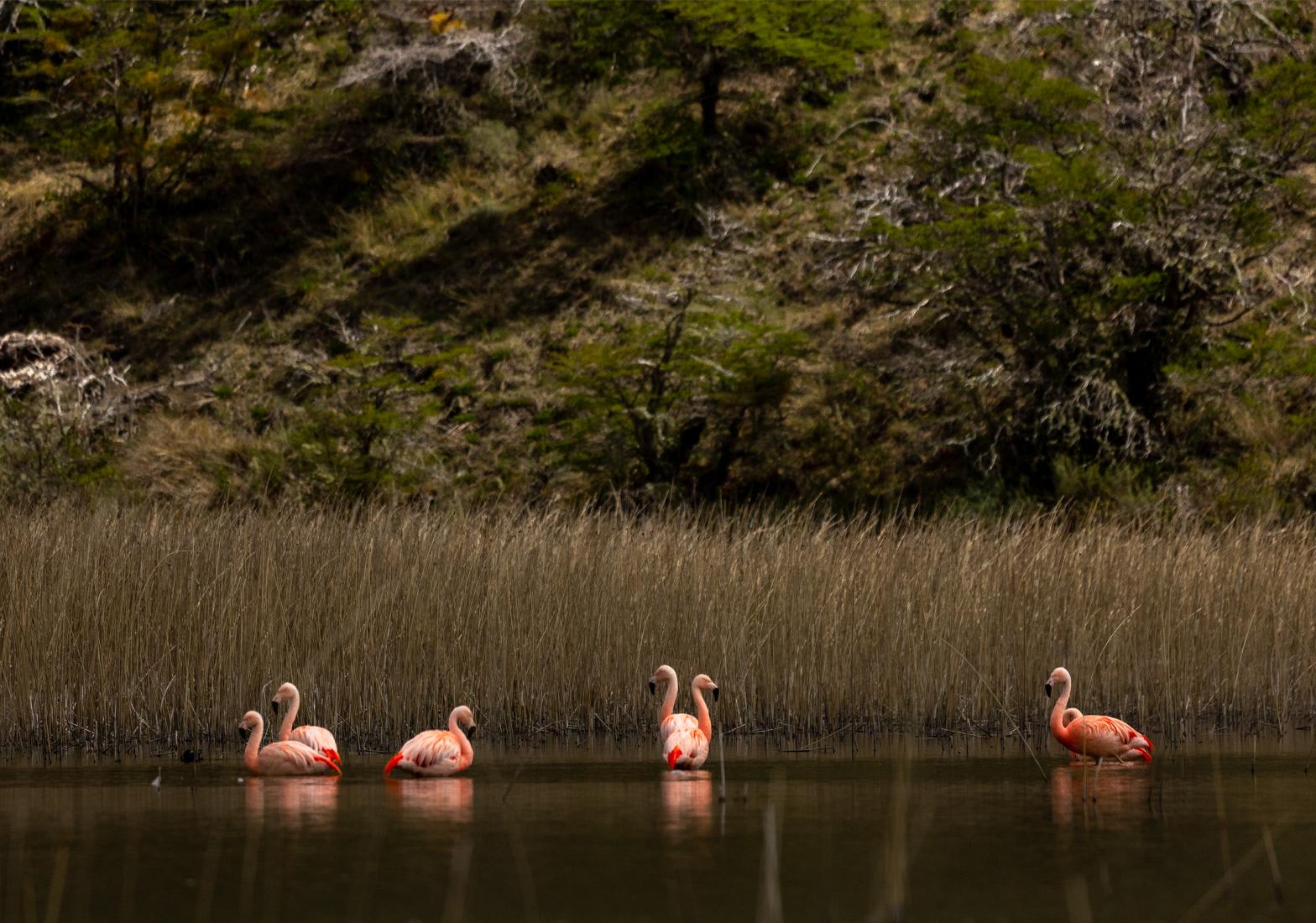
Rewilding Chile started by removing hundreds of kilometres of fencing that fractioned the land into sections and prevented animals from moving freely. In doing so, the organization was able to strengthen the existing populations of species including the puma; the rhea, a flightless bird that resembles an emu and spreads seeds across the landscape; and the national symbol of Chile – the huemul, also known as the south Andean deer. The population of this last species has gradually increased, bringing a new vitality and structure to the forests they inhabit. It’s something Daniel Velásquez has seen change over the last two decades. He initially farmed sheep and cattle in the area, but the arrival of the deer allowed him to begin working as a specialized huemul ranger.

Investing in the future
This ability to transition into a sustainable economy, and gain support, input and collaboration from nearby villages and towns is essential for Rewilding Chile and Rewilding Argentina to succeed. “You can’t possibly defend these parks and these territories if you don’t have local communities directly benefiting from them, and taking on a sense of ownership,” says Tompkins. A crucial part of that picture is connecting communities to the land so they can enjoy the wildlife themselves.
Tompkins’ own mission to rebuild unique and robust ecosystems across Chile and Argentina continues to thrive. Through patience and perseverance, the Rewilding Chile and Rewilding Argentina teams have enabled the creation and expansion of 15 new national parks, rewilding ecosystems and creating opportunities in harmony with nature, especially for children. “I’m grateful as much as anything when I go and see all of these species flourishing in these areas and kids from local towns coming in, and they’re on the trails,” Tompkins says. “Who wouldn’t be proud of that?”