Shortcuts

Africa’s ‘father of turtles’
Published in
Intrigued by turtles and tortoises as a young man, Tomas Diagne has devoted his life to studying and conserving these endangered species in his native Senegal and across Africa.
For Tomas Diagne, a youthful whim to breed the giant sulcata tortoise of Senegal in the backyard of his father’s farm has blossomed into a visionary, Africa-wide campaign to rescue the continent’s turtles, tortoises and terrapins – collectively known as chelonians − from the fast-approaching midnight of extinction.
It all began in 1993 when his mother handed the then 23-year-old agronomist a magazine article about a French biologist, Bernard Devaux, who was striving to protect the endangered native Hermann’s tortoise in France. The story was the first step in Diagne’s transformation from pet lover to ardent, lifelong conservationist, firing him with a dream to create a Village des Tortues (Tortoise Village) in Senegal, a haven where the precious reptiles could be bred for release into the wild – and humans could learn more about them.
“I got so excited when I read that article,” Diagne recalls. “I decided to write him [Devaux] a letter to see if I could get one or two specimens of Hermann’s tortoise. In that moment I just wasn’t thinking about conservation.”

Devaux responded with generous advice to the young man. He explained how mainly land-based tortoises, and turtles – which need to live in water – were in a dire plight the world over, reflecting the fact that chelonians are among the groups with the highest extinction risk of any sizeable vertebrate group today due to habitat loss, food and traditional medicine consumption by humans and collection for the international pet trade.
The French biologist offered to meet Diagne and teach him more about the animals, many of which are important seed and spore dispersers for plants, trees and fungi. In due course, he went to Senegal and the two soon became good friends. From this, the idea of the Village des Tortues at Noflaye, near Senegal’s capital of Dakar, was born – a project that was to earn Diagne a Rolex Award for Enterprise in 1998.

“The Village des Tortues is a centre dedicated to conserving and studying turtles in Senegal, with a strong local focus,” he explains. “Here we have the iconic sulcata tortoise, the third largest in the world – but also several other species.”
The primary aim of the village was to breed rare tortoises for reintroduction into the wild in order to replenish their fast-depleting numbers. But it quickly became a centre for scientific research into tortoises, their biology and needs, and above all an education and outreach centre for the wider community. “People, young people especially, need to interact with tortoises. When you care for something, conservation will naturally follow,” Diagne adds.
The Village des Tortues is a centre dedicated to conserve and study turtles in Senegal, with a strong local focus.
Soon, with donated animals and successful breeding, he found himself with more tortoises than the village could handle. Fortunately this coincided with a call from his cousin, who was working for the United Nations’ Food and Agriculture Organization (FAO) to combat desertification at Koyli Alpha in western Senegal and elsewhere in the Sahel region. Having restored vegetation, the FAO wanted hardy native animals to restock the landscape: oryxes, gazelles, ostriches – and tortoises.

Emboldened, Diagne put his co-workers in charge of running the Village des Tortues and embarked on a series of similar tortoise conservation projects across West Africa.
At this time, he also began the personal metamorphosis from a gifted but amateur conservationist to one of the world’s leading tortoise and turtle authorities. He went to the United States to study, working at the Atlanta Zoo with herpetologist Brad Locke who explained that Africa had one of the richest tortoise faunas on Earth with 56 known species – yet next to no conservation resources or experts in them. It was a vacant niche that, despite the immensity of the challenge, Diagne embraced with all his natural passion and commitment.
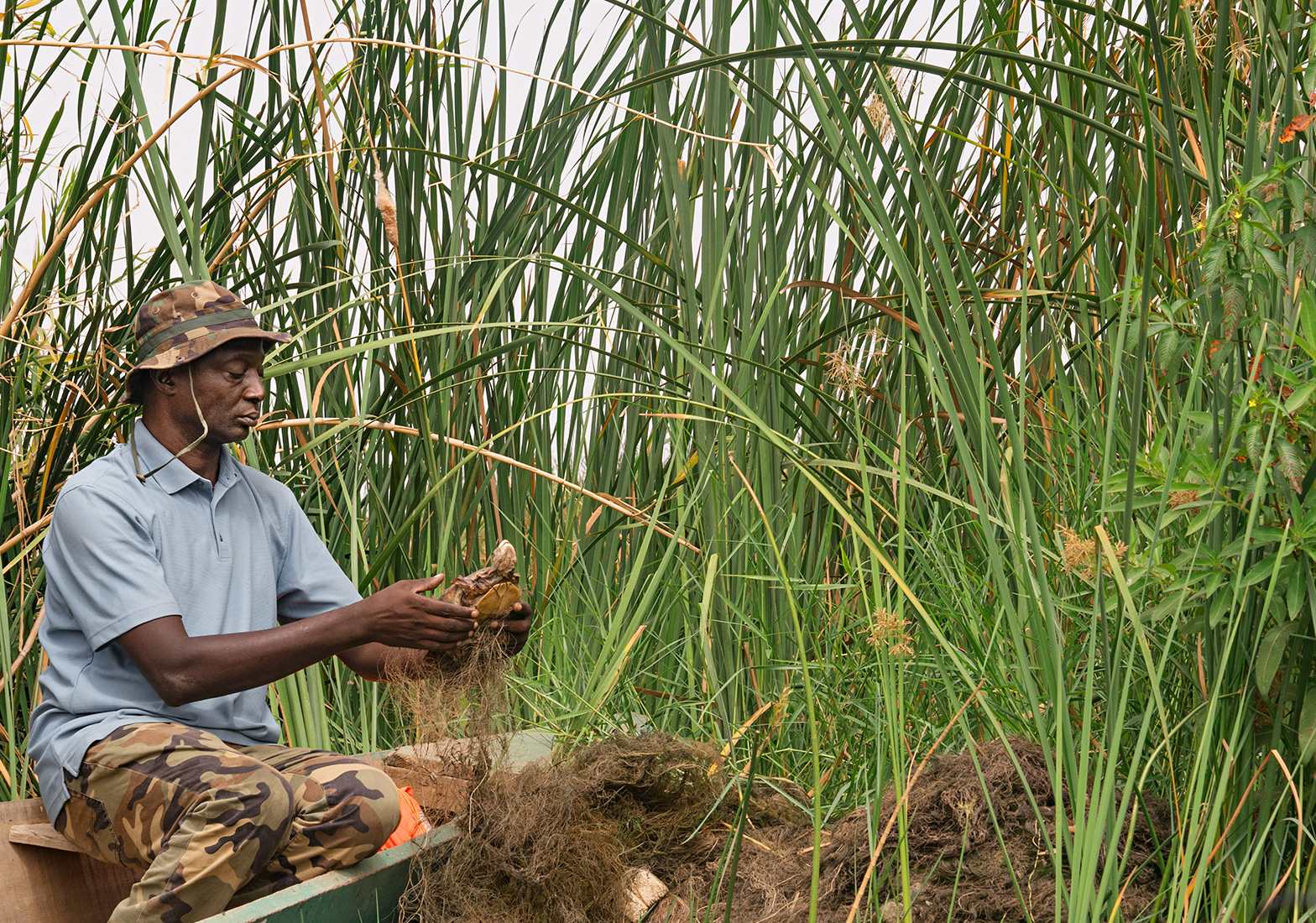
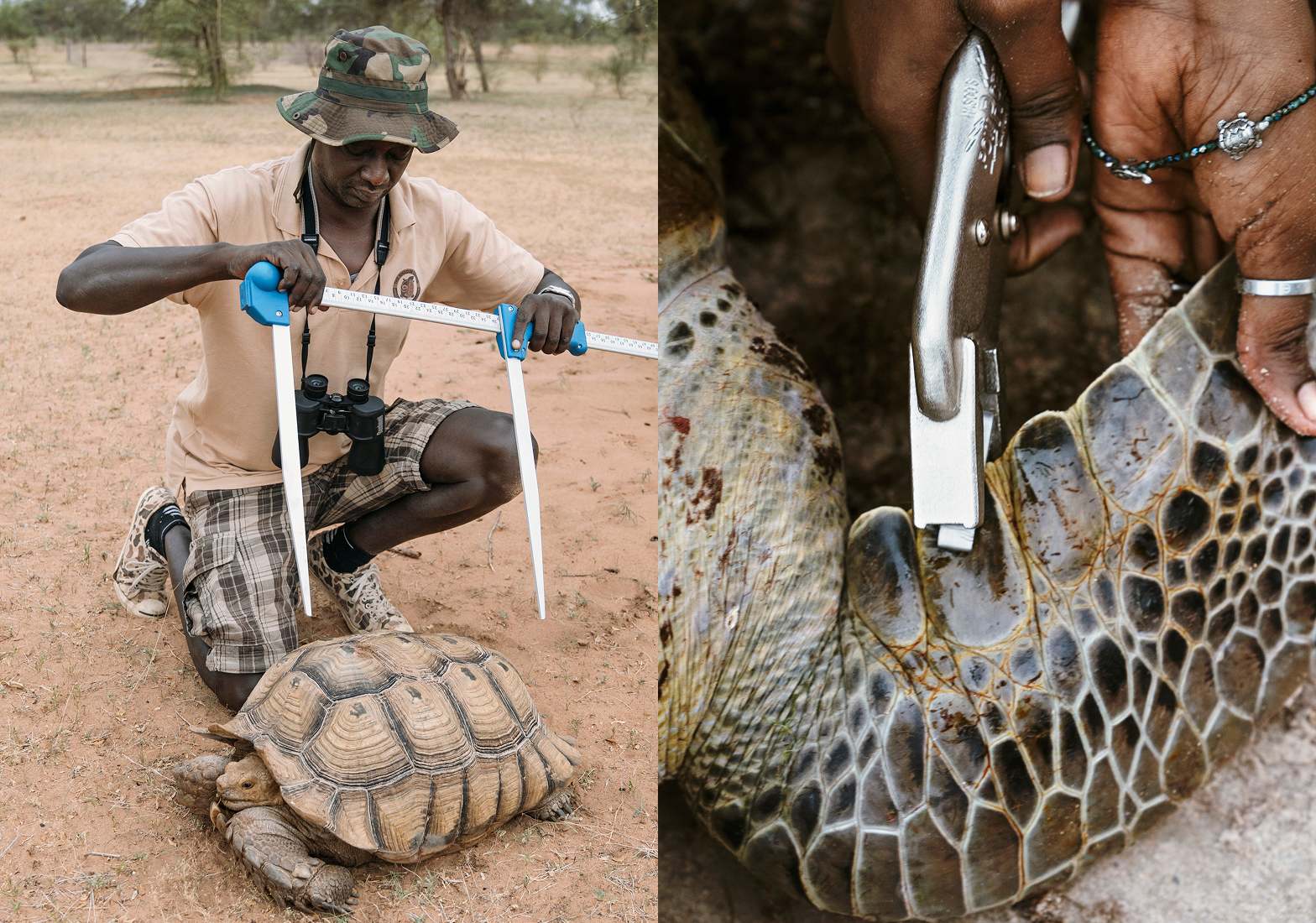
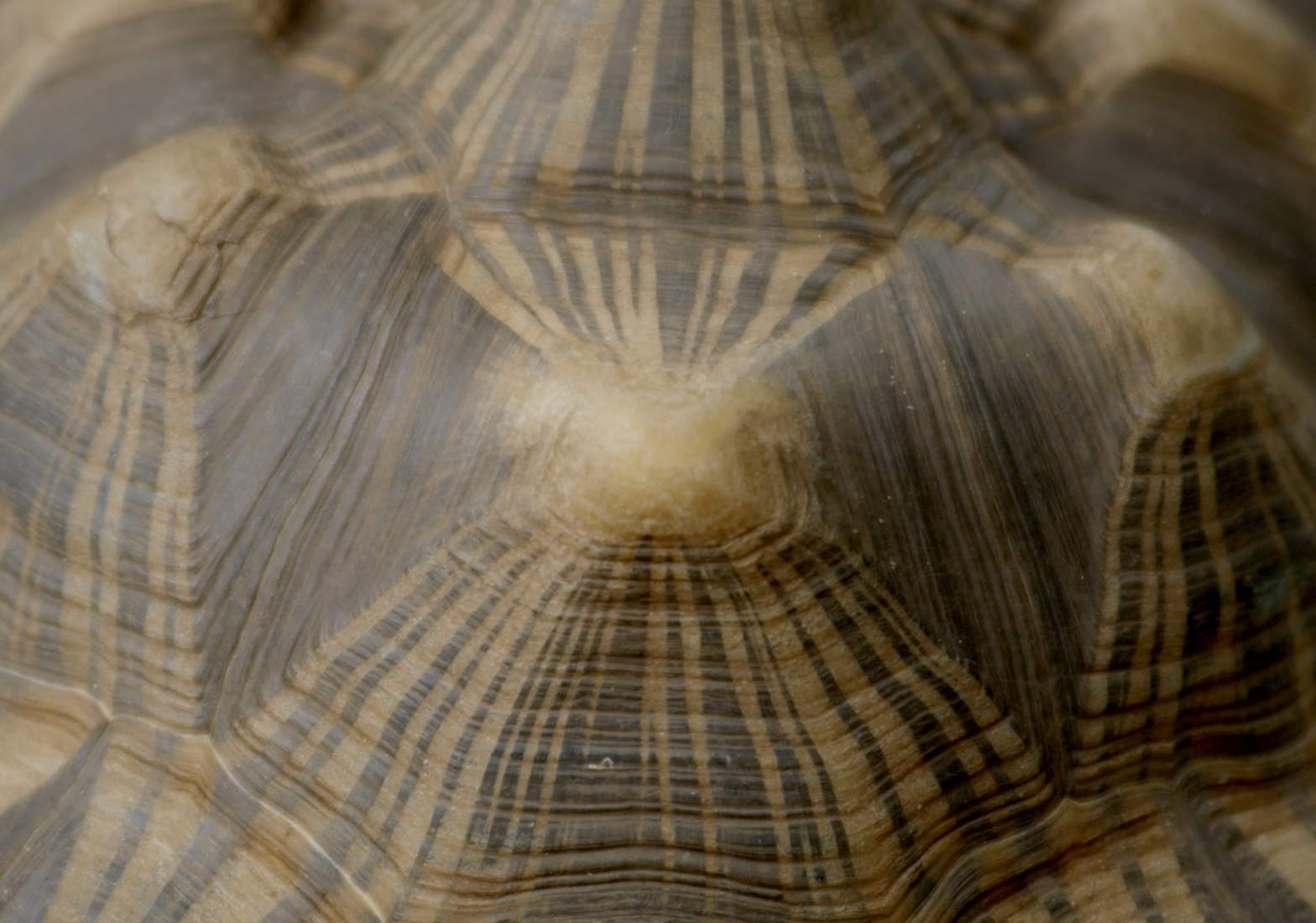
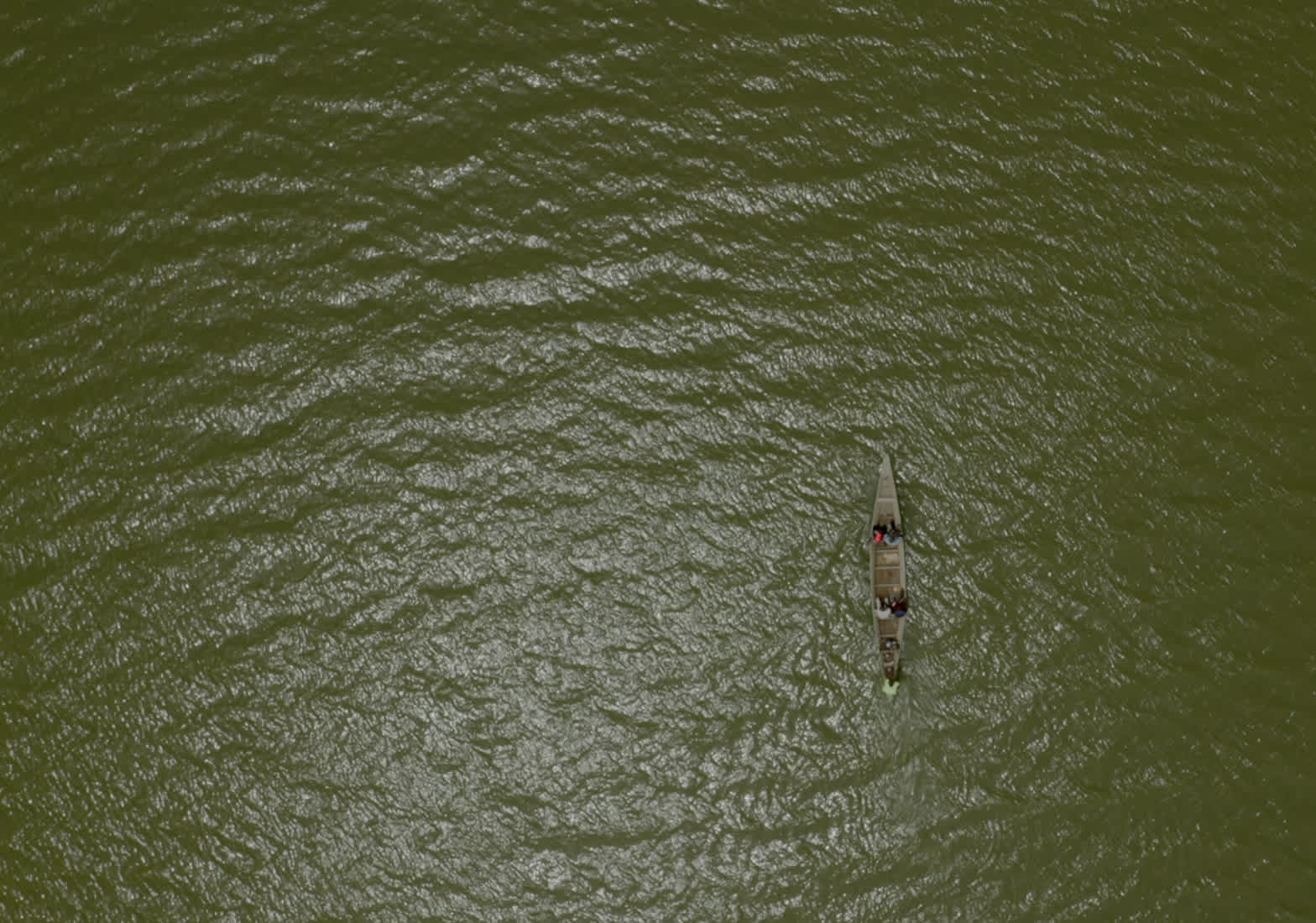
In 2009, he founded the African Chelonian Institute, the continent’s first centre dedicated to the breeding and reintroduction of turtles, tortoises and terrapins across its vast expanse, through research, education and grassroots collaboration. Of particular note is the organization’s commitment to mentoring younger conservation professionals. Diagne reports that the institute, under his guidance, will launch the African Scholarship Program, a turtle conservation training programme that will extend to all West African countries.
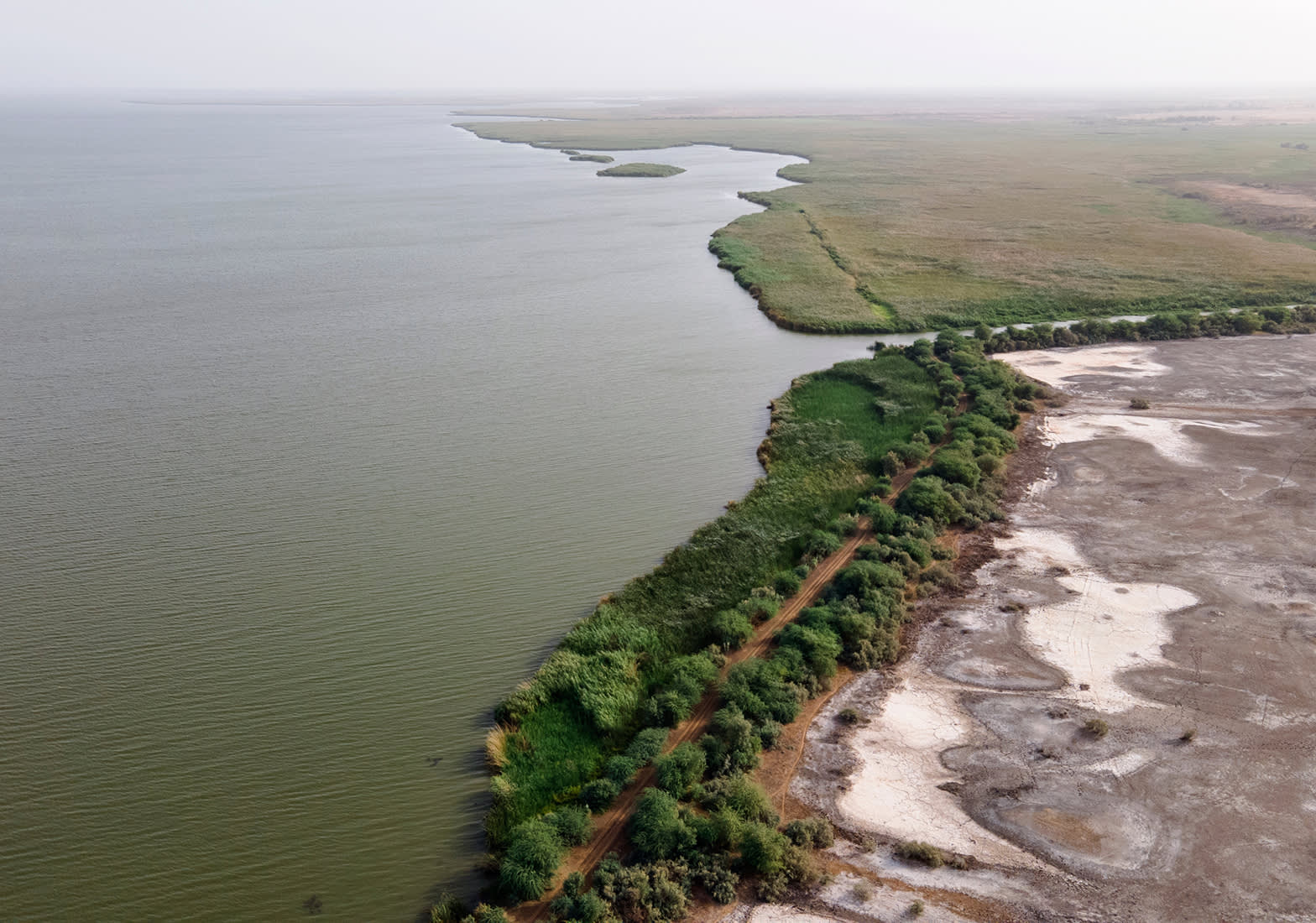
Today Diagne, having set free more than 725 chelonians over a five-year period, works with species all over Africa – from the forest tortoises of Côte d’Ivoire, to the sea turtles of Guinea Bissau and Adanson’s terrapin that clings to life in a single lake in Senegal, together with efforts to save the continent’s most imperilled turtle, the giant Nubian Flapshell turtle. Everywhere he goes, he carries with him the message of habitat restoration, co-existence and an end to hunting by local people. And, in his spare time, he labours on his great work: the first encyclopaedia of African tortoises.

The challenge remains immense. Africa’s burgeoning human population and their demands on the land, especially in the continent’s west and Sahel regions, outweigh all conservation efforts. And highly visible species such as elephants, rhinos and giraffes attract the major share of eco-funding compared with the humble tortoises and terrapins. But Diagne does not hesitate or despair.
I want to be a father of African turtle conservation. This is my dream.
“I want to be a father of African turtle conservation. This is my dream,” he admits. “I want to be recognized as someone who was the first strong voice from Africa saying, ‘We need to protect turtle and tortoise species in Africa, their habitat, their environment’.”

For a while Diagne imagined the project would take a few years and that he would return to his profession as a farm agronomist. But, as his desire to perpetuate African tortoises and meet their needs grew, he realized it would be his life’s work – indeed, that it would outlive him. This notion of ensuring the continuation of a species and preserving biodiversity is part of Rolex’s Perpetual Planet initiative to preserve the natural world.
Being selected as a Rolex Laureate shed a bright aura of hope: “The Rolex Award gave me the confidence that I was going in the right direction and to tackle more challenges.”