Shortcuts

Liu Shaochuang
Published in
A part of the Perpetual Planet Initiative, the Rolex Awards for Enterprise support exceptional individuals who have the courage and conviction to take on major challenges, initiating extraordinary projects that make the world a better place.
All episodes
Episode 1 – 2024
Written in the stars
Episode 2 – 2024
A needle in a haystack
Episode 3 – 2024
Widening the scope


Tracking wild camels with satellites
Remote sensing specialist Liu Shaochuang is trying to save critically endangered wild camels using space technology. Wild camels have roamed the arid plains of the Gobi Desert in Mongolia and China for thousands of years, but now only approximately 1,000 remain. Using satellite trackers and remote sensing technology, Liu is offering new insight into changes in their habitat that could be key to preserving them.
In 2011, Liu travelled to the Gobi Desert, whose dry, rocky landscape was ideal for testing the Chang’e 3 lunar rover. While there, he was told of the plight of the wild camel, whose numbers were dwindling as a result of climate change, habitat loss, predation, hunting, disease, domestication and crossbreeding by humans.

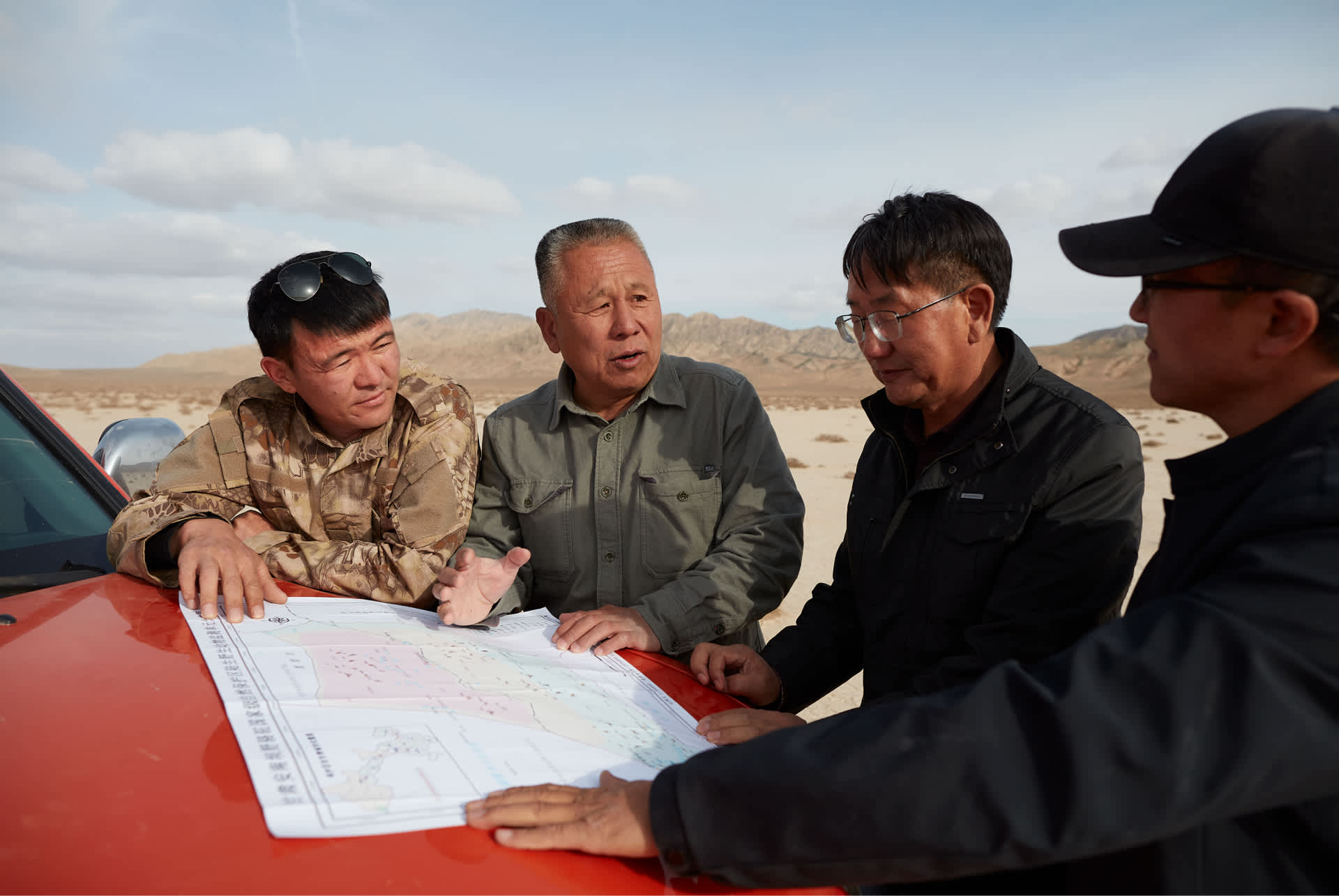
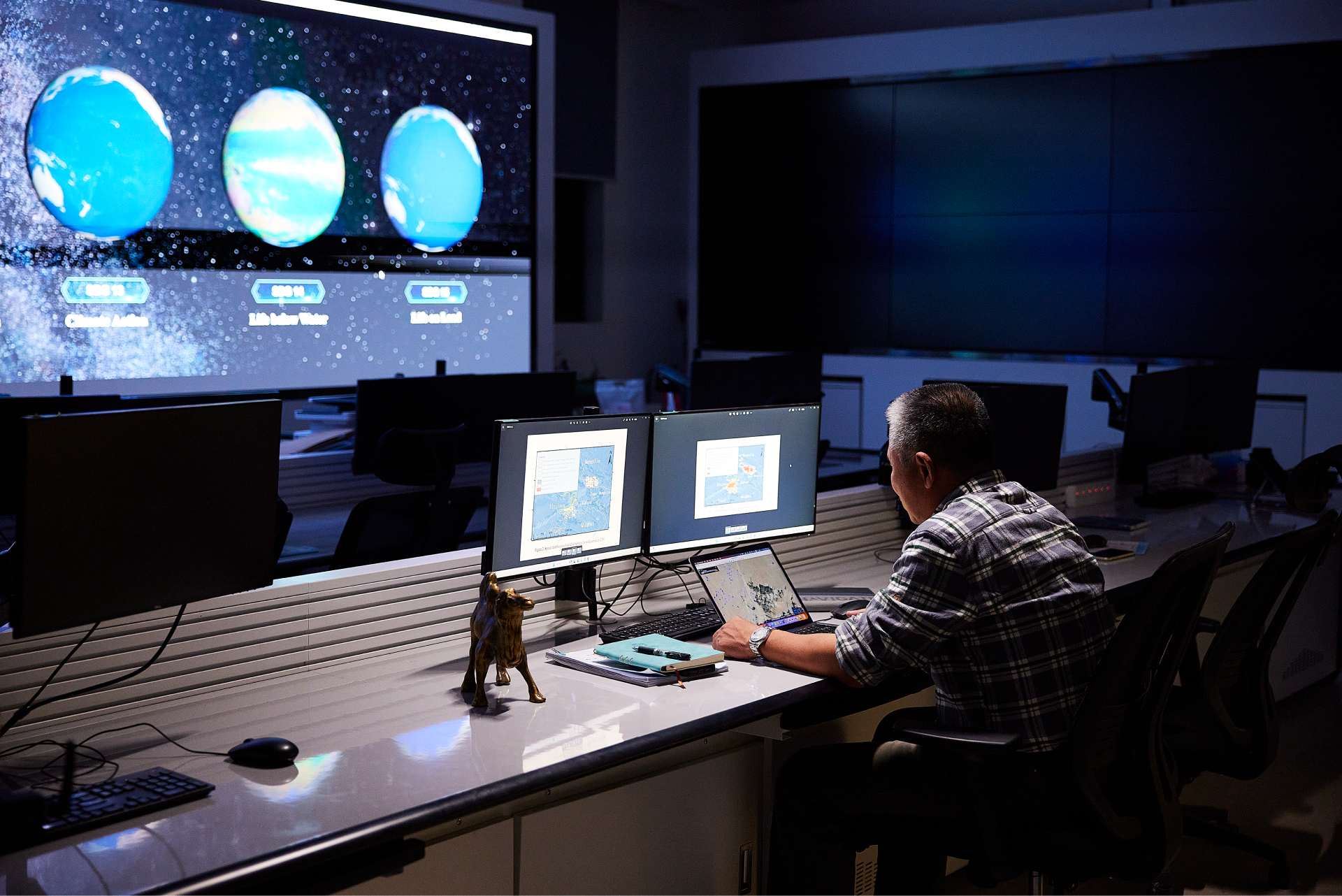
With a scarce population scattered across 200,000 square kilometres of wild, inhospitable terrain, monitoring the wild camels presents a complex challenge. Liu realized he was in a unique position to help with remote sensing – the use of satellites to observe the Earth’s surface. Since they began working with the camels, Liu and his team have fitted seven of them with tracking collars. Once the collars reveal the camels’ position, he can use remote sensing to study their changing habitat, all from his desk in Beijing.

Liu regularly returns to the Gobi Desert to continue his work. It is a hostile environment, but the conditions are not daunting for a man who, in April 2002, became the first person from China to reach the North Pole alone, on foot: “Of course you encounter some problems in a harsh environment like the Gobi Desert, but there are no insurmountable difficulties.”
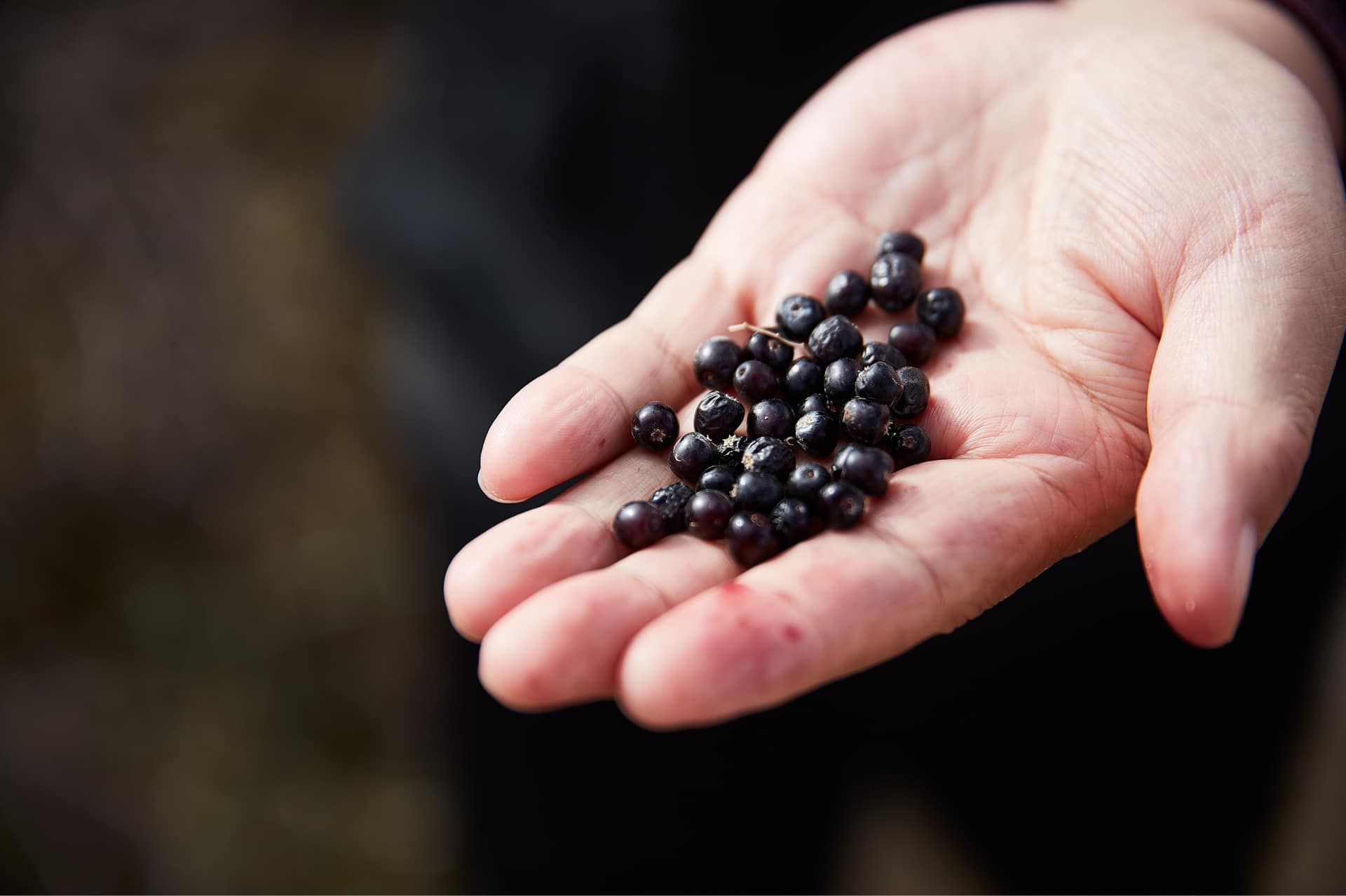
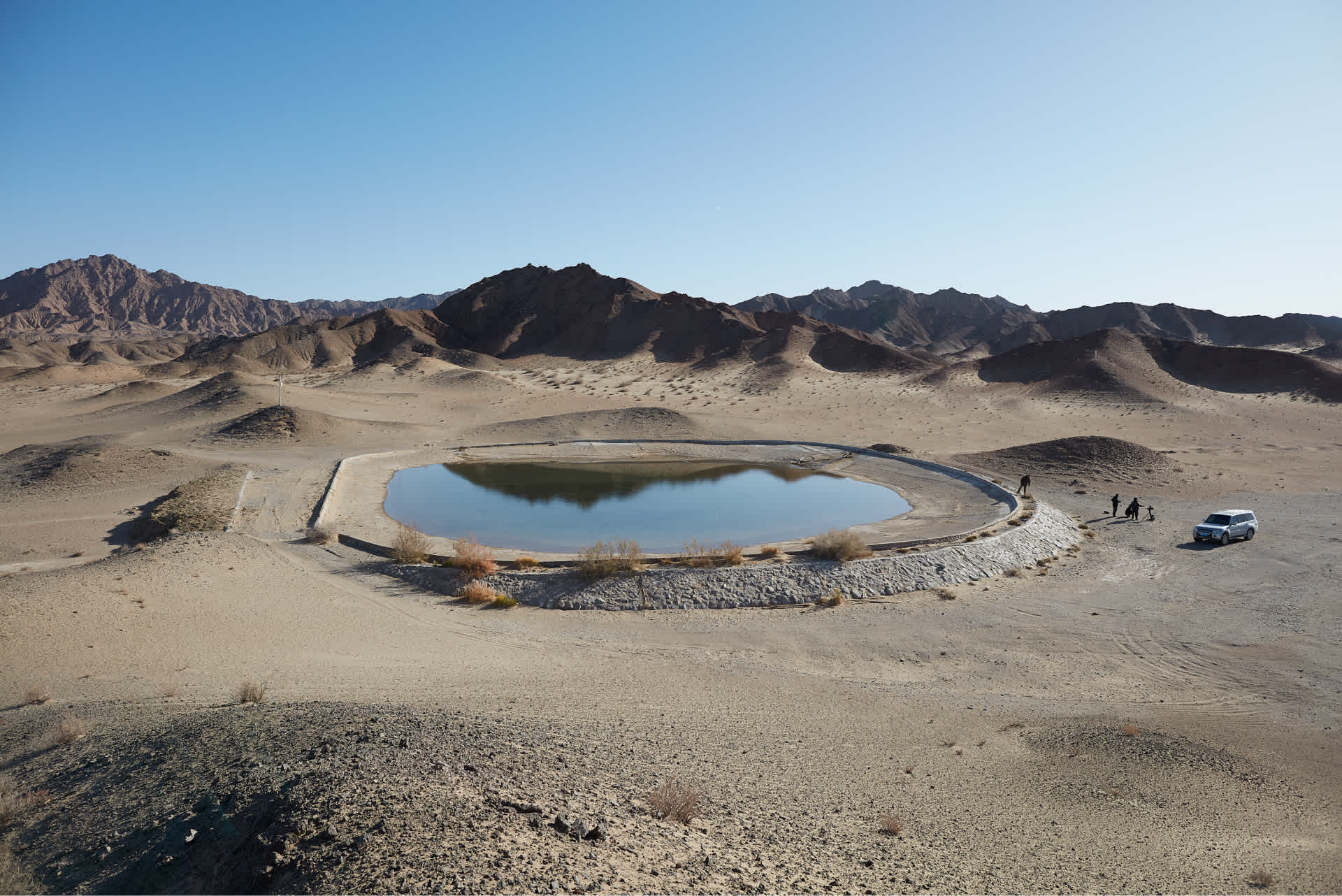
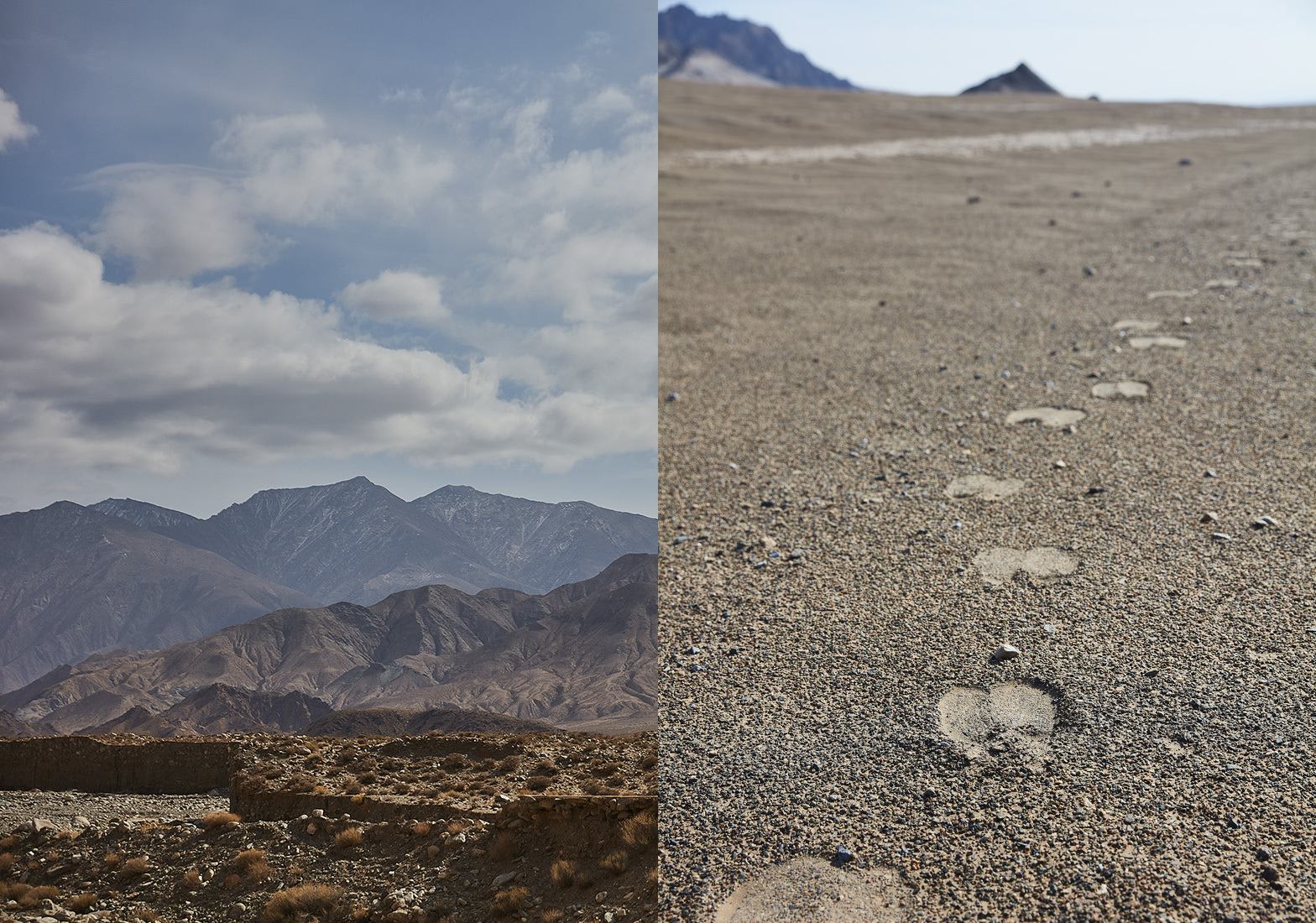
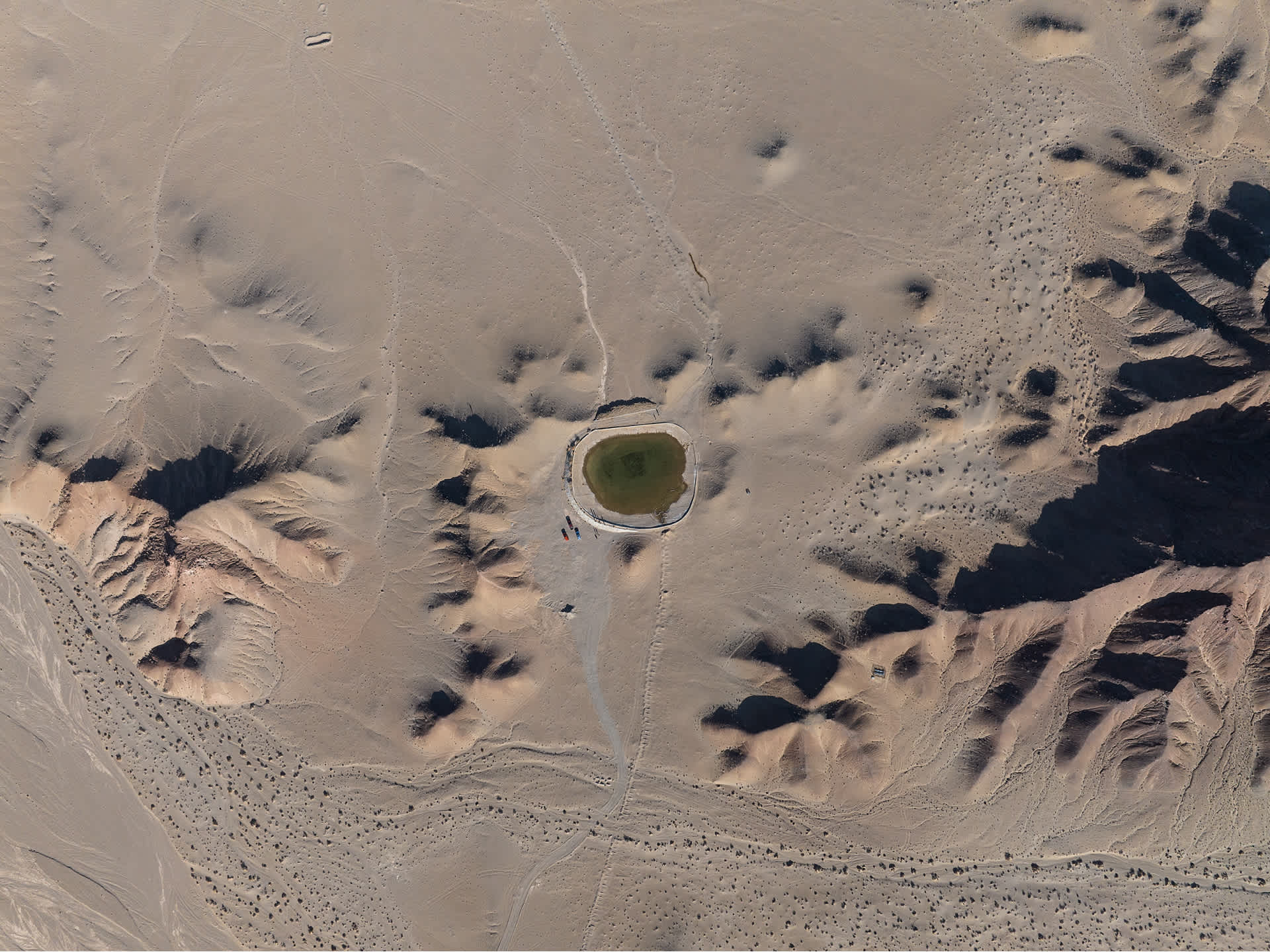
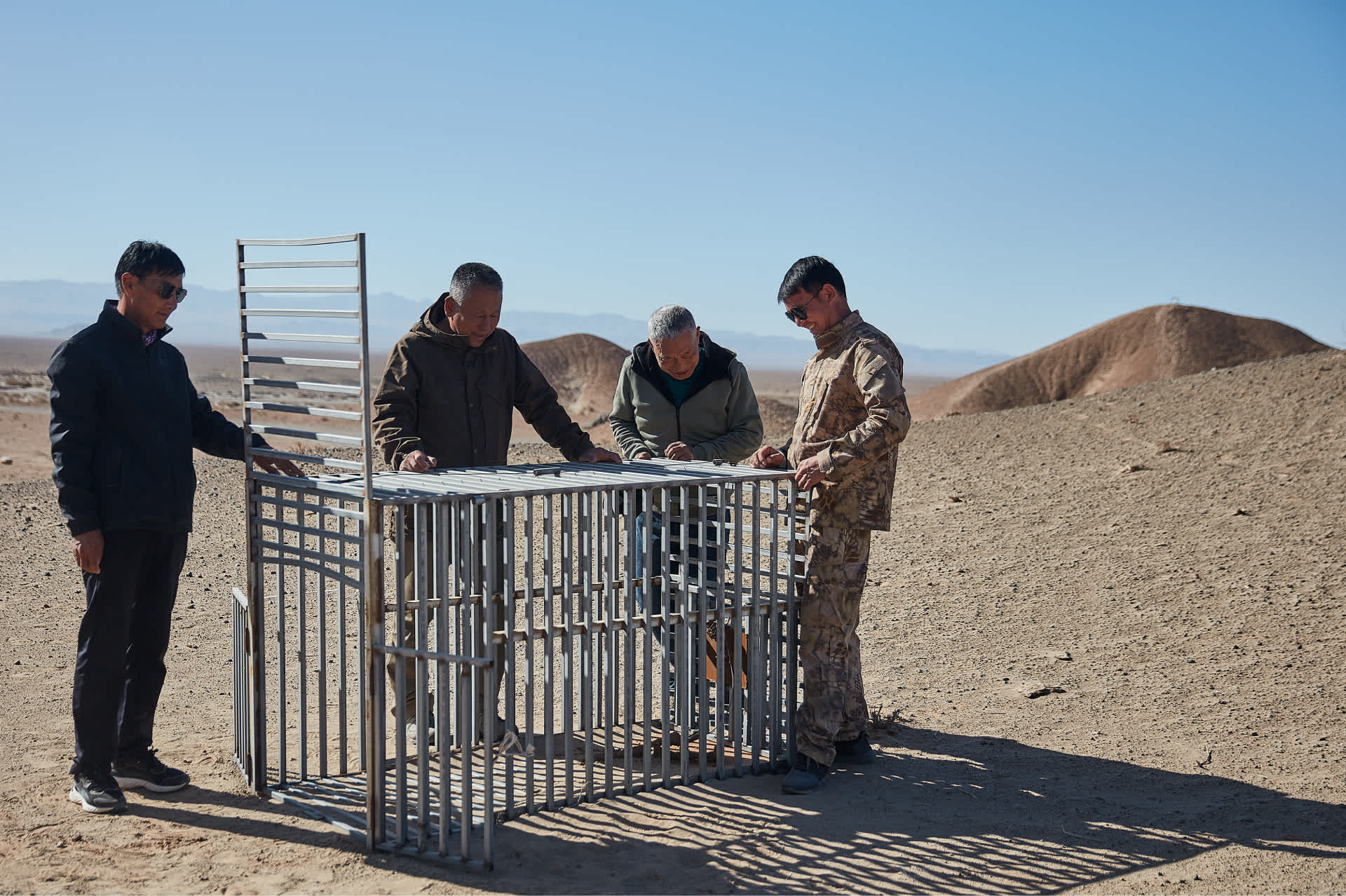
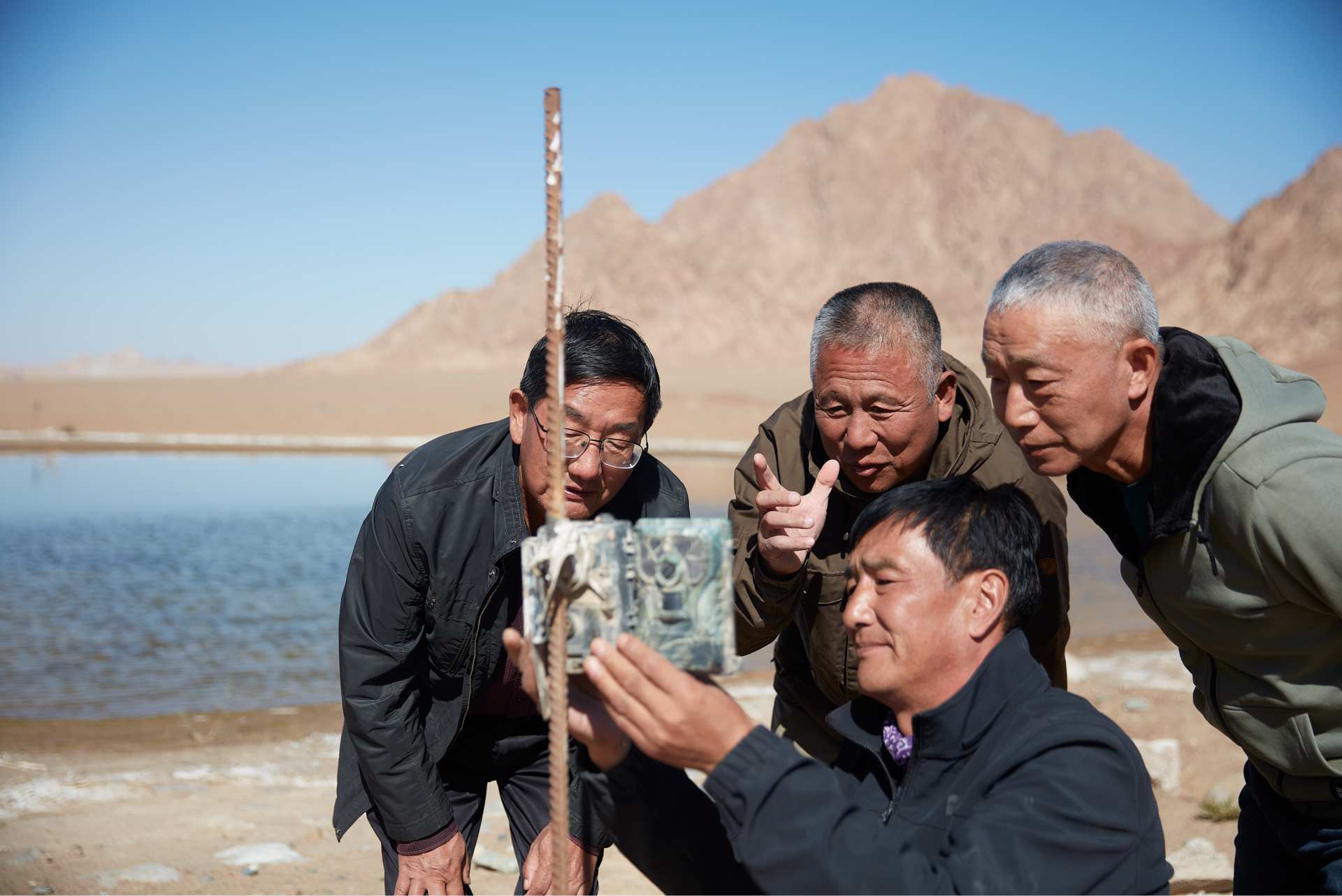
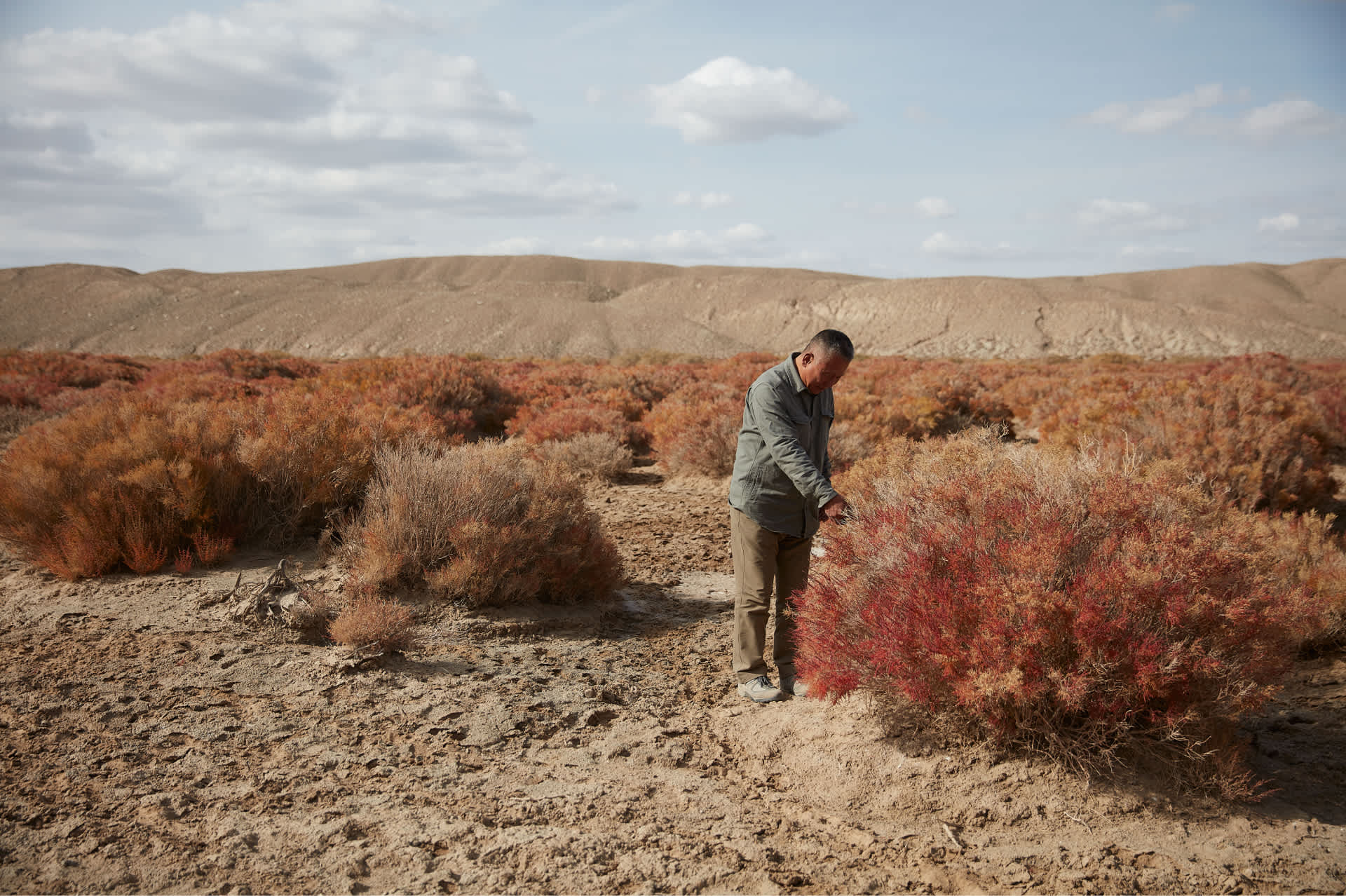
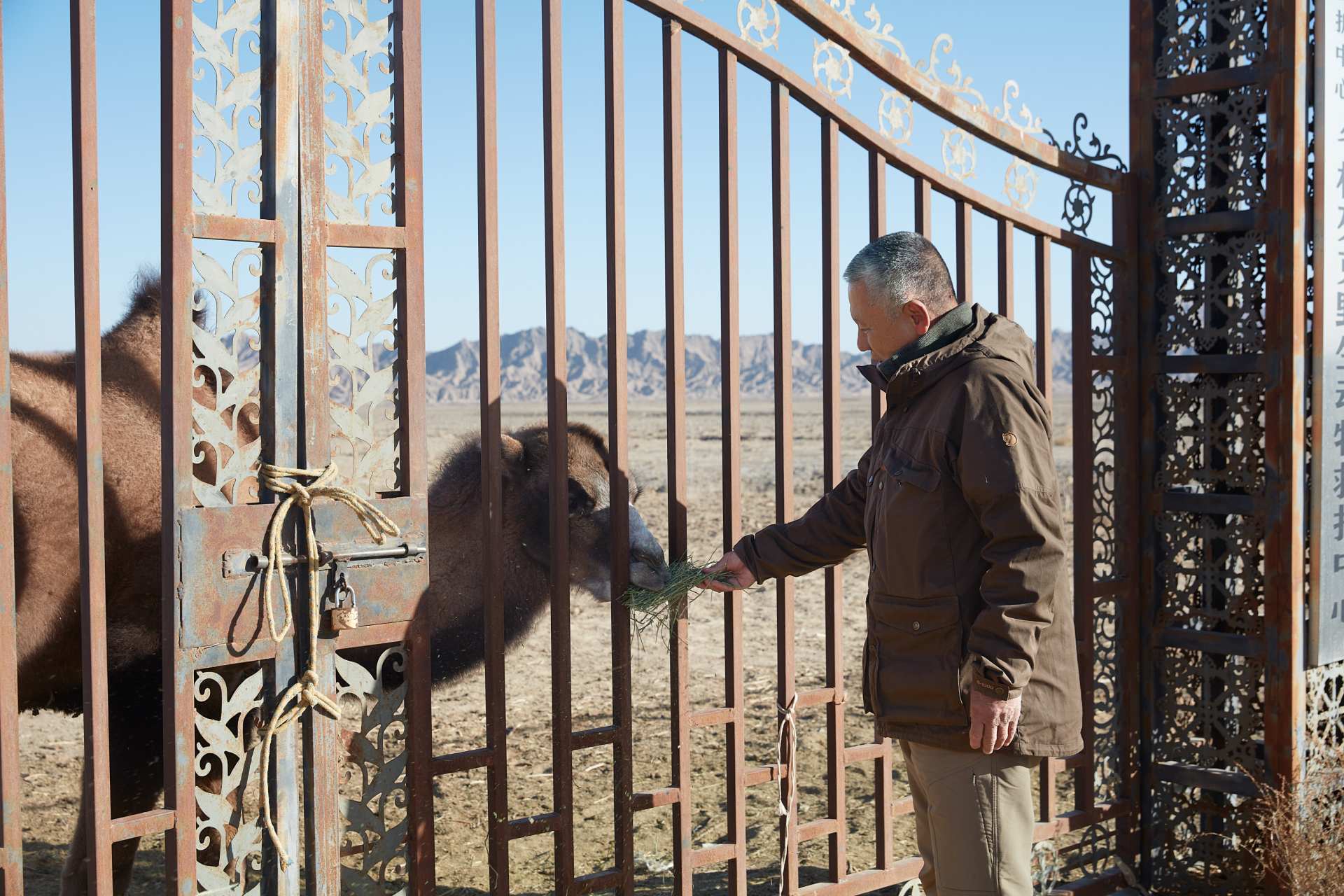
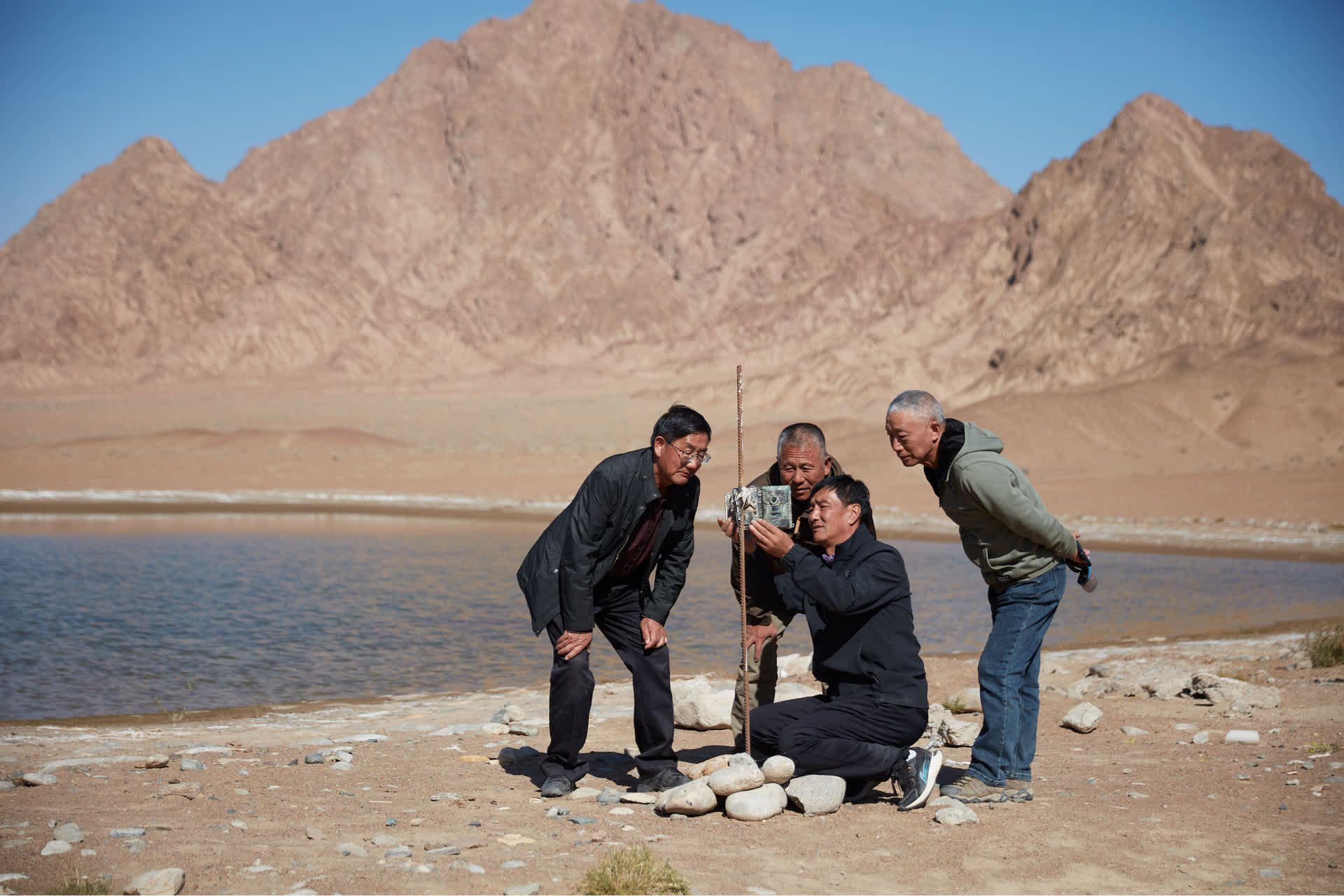
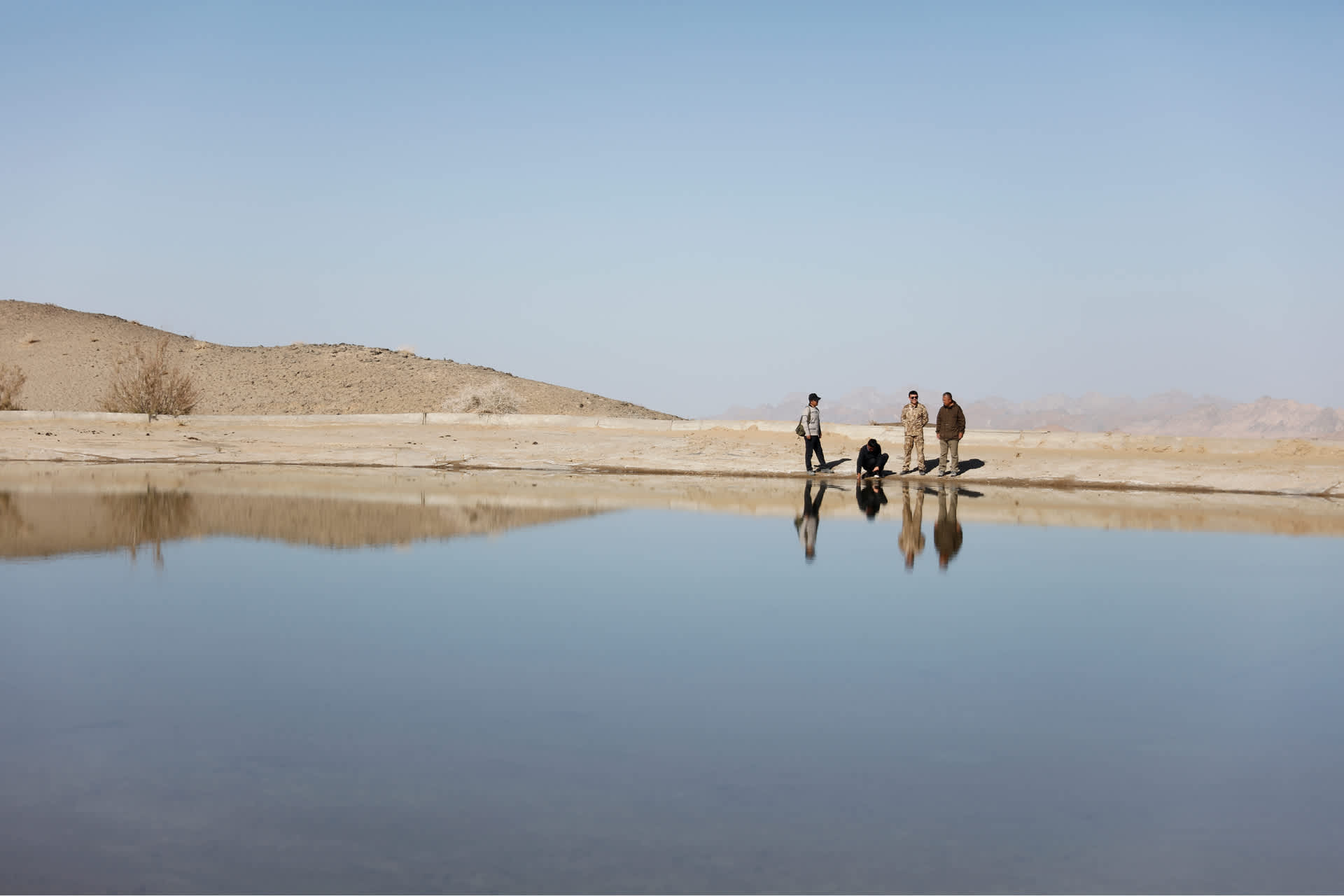
According to Liu, climate change and human activity have seen the camels’ habitat shrink considerably, forcing them to move to colder regions and higher altitudes. These narrowing habitats leave the camels more vulnerable to predation from wolves, while the existence of fewer drinking spots increases the possibility of an epidemic sweeping through the camel population.

Understanding the dangers confronting the camels is the first step in mitigating them. “Finding out where wild camels go, where they drink and what kinds of threats they face will help us draw up plans to better protect their water sources and define their protection zone,” Liu says. His data will be instrumental in setting up two huge conservation zones: the China Wild Camel National Park and the China-Mongolia Cross-border Wild Camel Nature Reserve.

Our dream is to transfer our model to the protection of other species, such as snow leopards and Siberian tigers. If we don’t protect them, they face the same risks as wild camels.
Liu’s work with the wild camel is just the start, and he is hopeful that the model his team has created can be used to protect other endangered animals. “Our dream is to transfer our model to the protection of other species, such as snow leopards and Siberian tigers. If we don’t protect them, they face the same risks as wild camels.”