Shortcuts

Canada expedition finds record ice core
National Geographic Society
Published in
For almost a century, Rolex has championed pioneering explorers who are advancing the boundaries of what is possible. Through its Perpetual Planet Initiative, Rolex supports those with a new mission: to understand how we can preserve our natural world.
Rolex and the National Geographic Society are supporting scientific research in some of the Earth’s most vulnerable environments through the Perpetual Planet Expeditions. The partnership harnesses world-renowned scientific expertise and cutting-edge technology to reveal new insights about the impacts of climate change.

All episodes
Mount Logan Expedition: Episode 1 – 2023
Drilling in high places
Mount Logan Expedition: Episode 2 – 2023
Secrets in the ice


Ice yields climate story
On the summit of Mount Logan, the highest mountain in Canada, sits a plateau with a cover of ice more than 400 m deep. Held within that ice is a story of the climate over tens of thousands of years, a story that ice core scientist, high-altitude mountaineer and National Geographic Explorer Alison Criscitiello has set out to uncover.

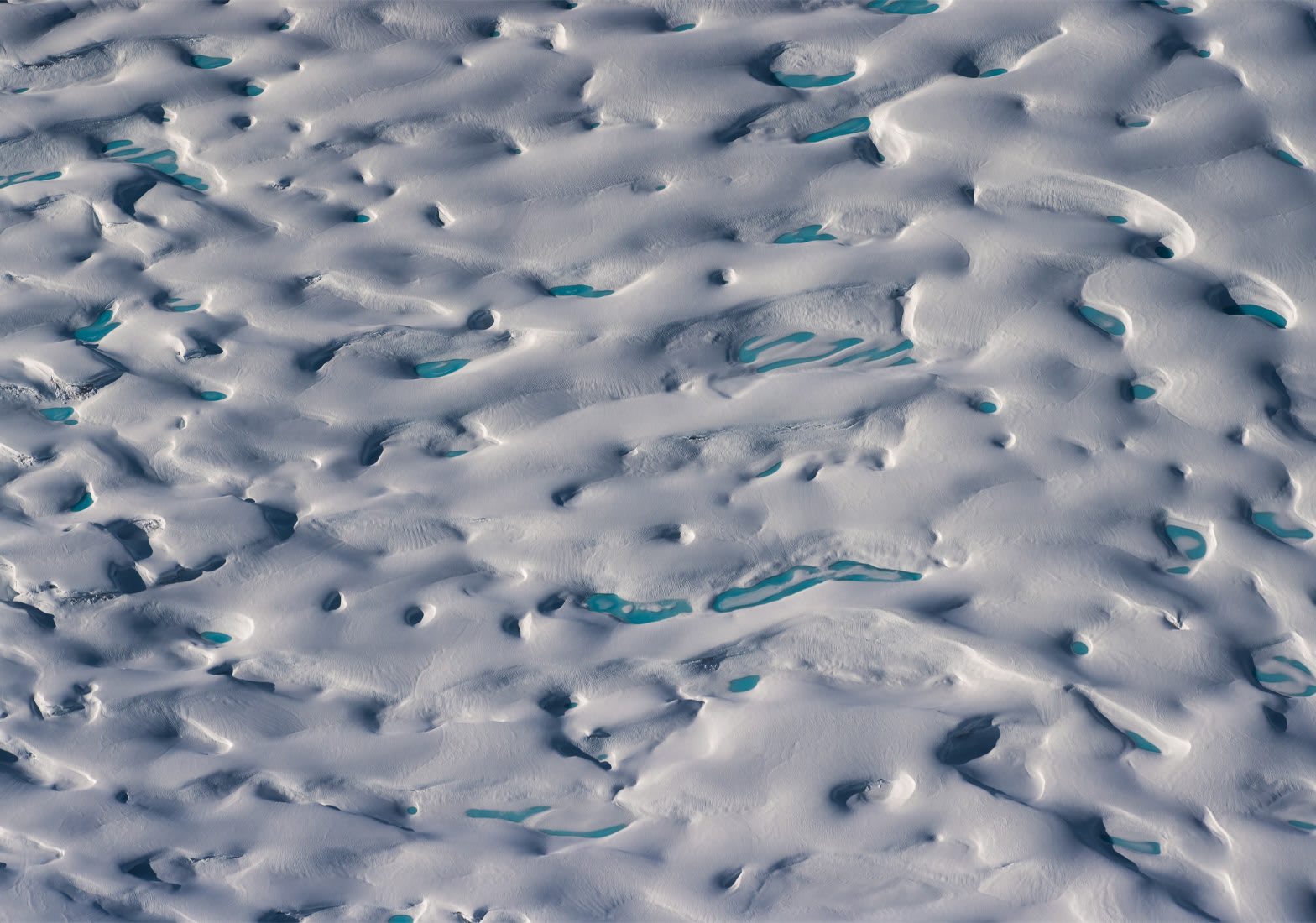
Mount Logan rises up near the border between Alaska and the Yukon in Canada. Its proximity to the Gulf of Alaska brings coastal winds, moisture and notoriously changeable weather, while its rugged wilderness creates a vast, remote landscape that requires a pure sense of discovery from potential explorers. It is one of only a handful of places outside the polar regions where the ice does not melt in the summer months, thereby ensuring a long climate record is preserved in the ice. By analysing ice cores, cylinders taken from the ice sheet, Criscitiello and the scientists she works with can begin to reconstruct atmospheric variability across geological timescales. Looking back into the Earth’s past means Criscitiello can also build a better picture of what today’s changing climate means for our future.

Criscitiello is Director of the Canadian Ice Core Lab at the University of Alberta. Her expedition complements previous National Geographic and Rolex Perpetual Planet Expeditions to high mountain environments, including Mount Everest in 2019 and the Andes’ Tupungato volcano in 2021.

Drilling in high places
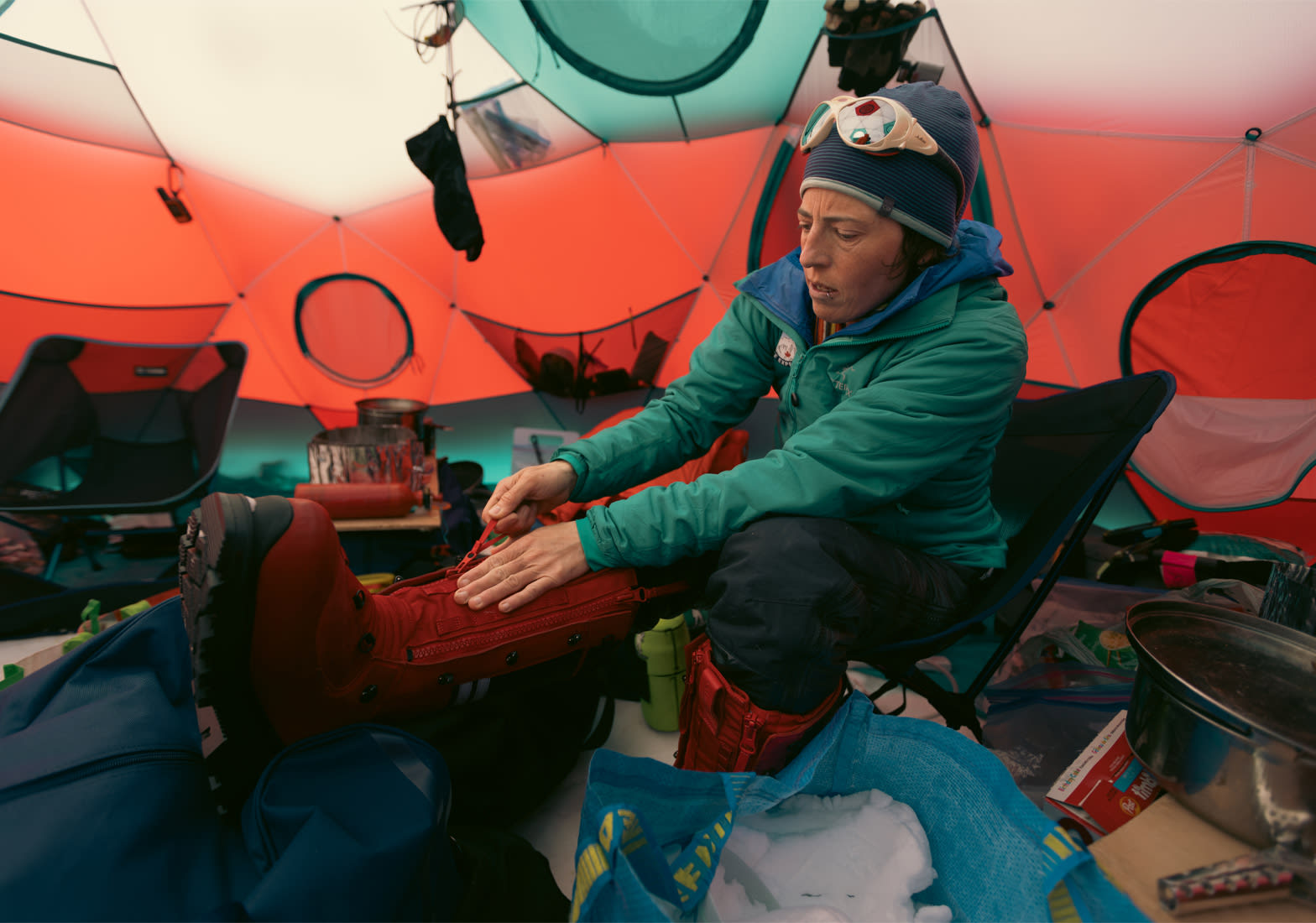
To drill and collect an ice core from the summit of Mount Logan, Criscitiello needed a team of equally adventurous scientists and climbers to ascend the 6,000 m with her. “In some ways, the team assembled itself because there are only a few people right for the job,” she points out. Each member brought invaluable skills and strengths needed for such an ambitious endeavour. This is not lost on Criscitiello. “He’s truly one of the very best cryosphere radar experts in the world,” she says of glaciologist Seth Campbell, who was able to survey the site to find the perfect drilling location. “It could be a game-ender if he can’t get up there,” she points out about Etienne Gros, the engineer who built the ice core drill and acted as the on-site mechanic. “The expedition wouldn’t have happened without her,” she offers in talking about her climbing partner and geologist Rebecca Haspel.

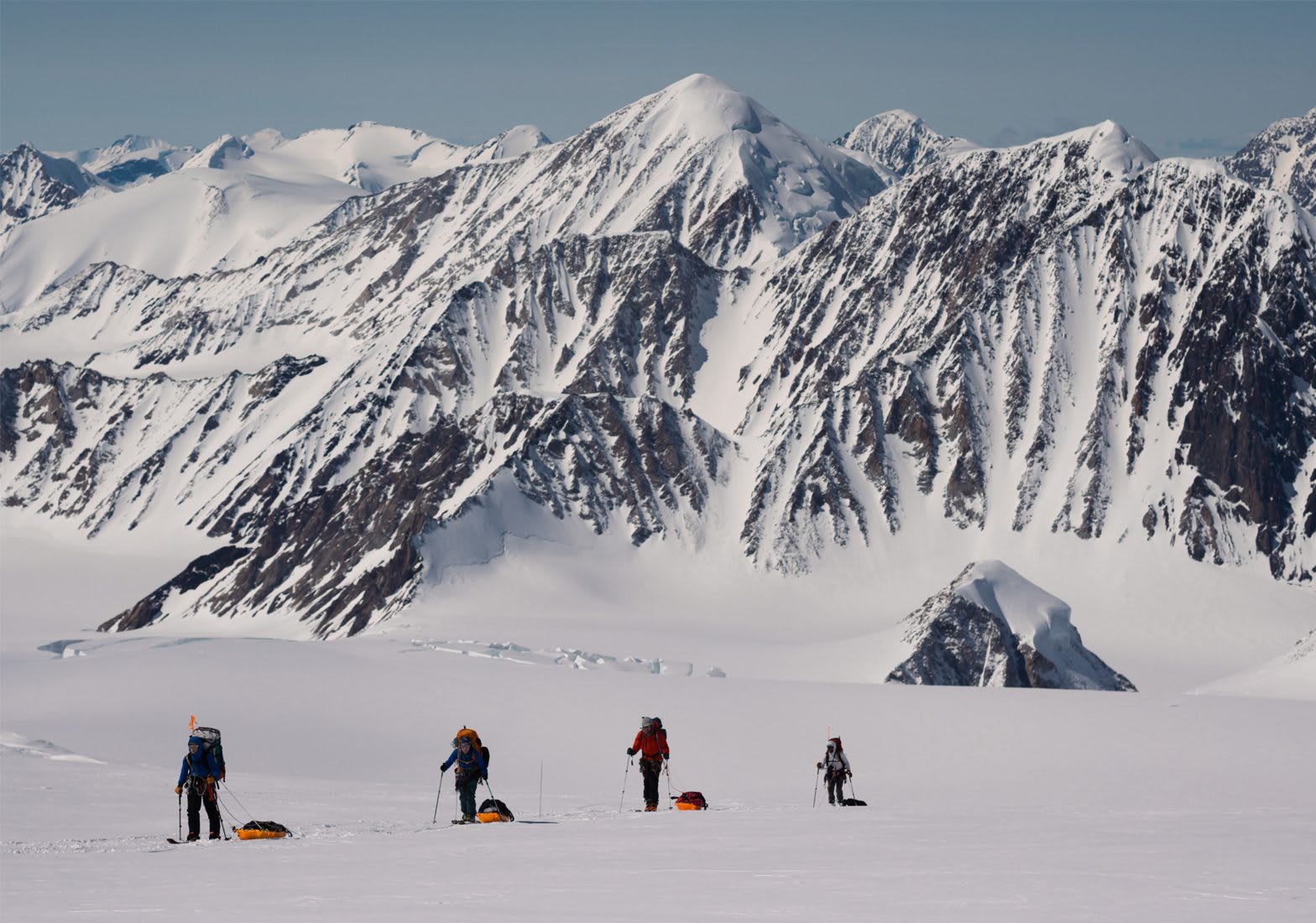
While the size and weight of the drill equipment meant it needed to be flown by helicopter to the top of the mountain, that same luxury could not be afforded to Criscitiello and her team. “For our bodies to work that high, we did have to climb up there,” she explains. “We double-carried, meaning you basically climb every section twice, a really accommodating way to allow bodies to slowly acclimatize.” After 10 days of skiing and climbing, the team found itself on the summit plateau looking across an immense white blanket of snow, 20 km long. Despite the demanding climb, they quickly had to start their work setting up the drill and performing radar surveys to narrow down and confirm the best drill site. The radar provided a view of the internal structure and layering of the ice, allowing them to determine whether the layers deposited over time had been disturbed by ice flow particularly at the bed. Then came the time to begin boring deep into the ice. “No matter what you’re doing at that altitude, you don’t really recover and you don’t heal. You just sort of slowly deteriorate.”
No matter what you’re doing at that altitude, you don’t really recover and you don’t heal. You just sort of slowly deteriorate.

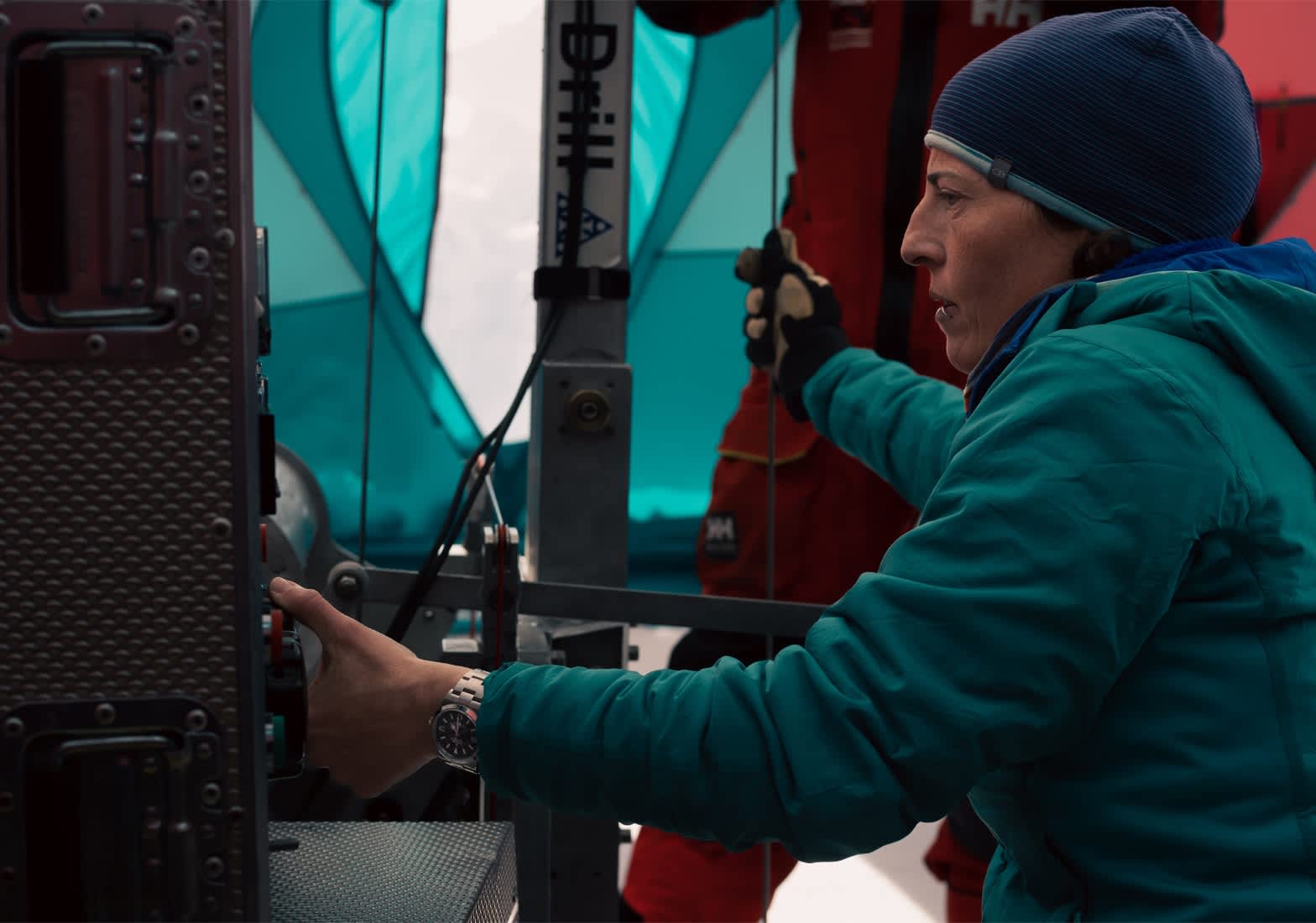
As they drilled further and further down, the team encountered new challenges and risks. A thick steel cable was used to lower the drill into the hole; the deeper they bored, the higher the weight and pressure of the equipment and the more difficult it became to reach and fix any issues. The ice also had to be carefully extracted to prevent it from fracturing from the change in pressure as it was brought to the surface. Thanks to the team’s perseverance, ice was collected down to 327 m, a record depth for a high-altitude mountain glacier core. This may contain as much as 30,000 years of climate history.
Bubbles of history
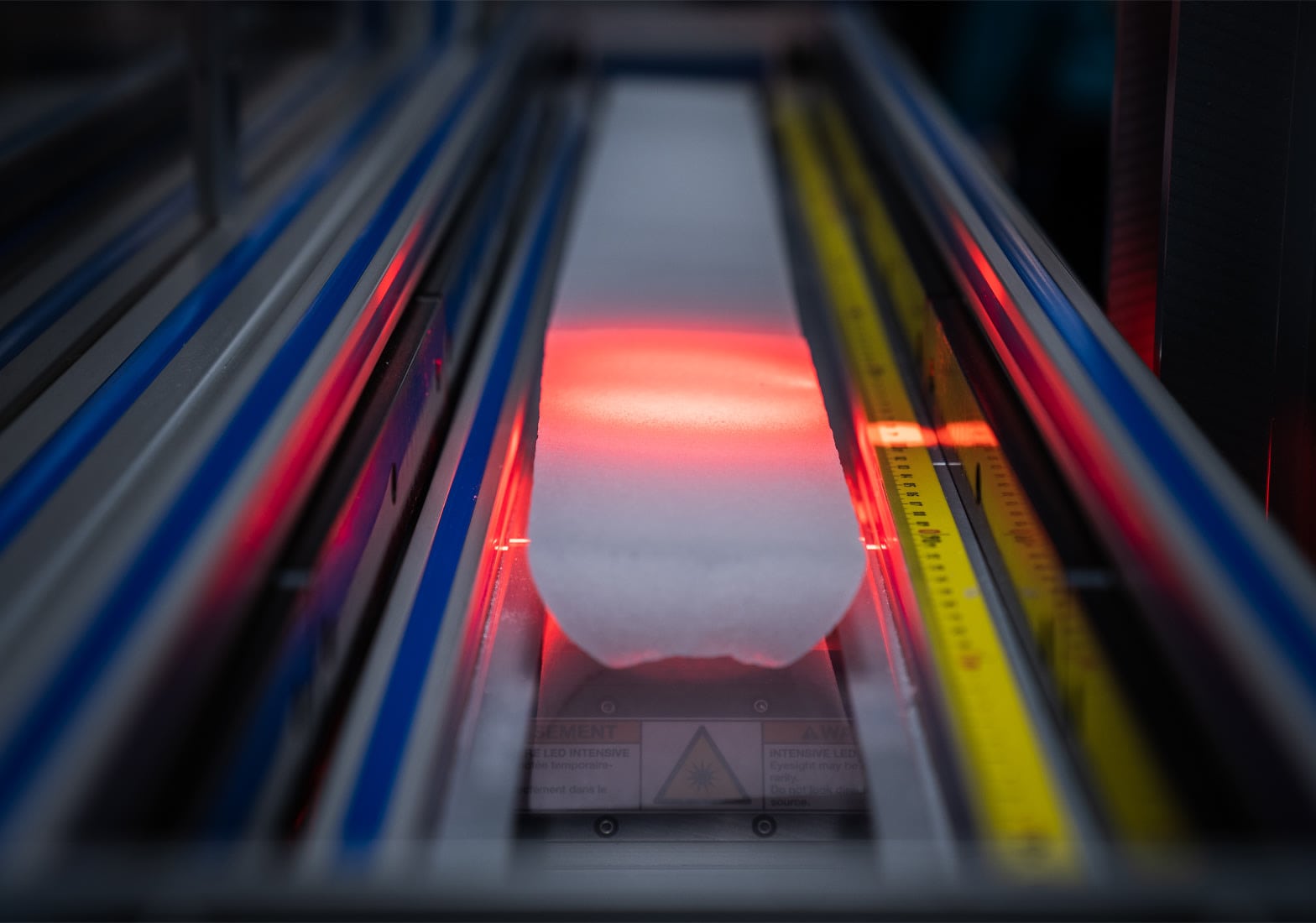
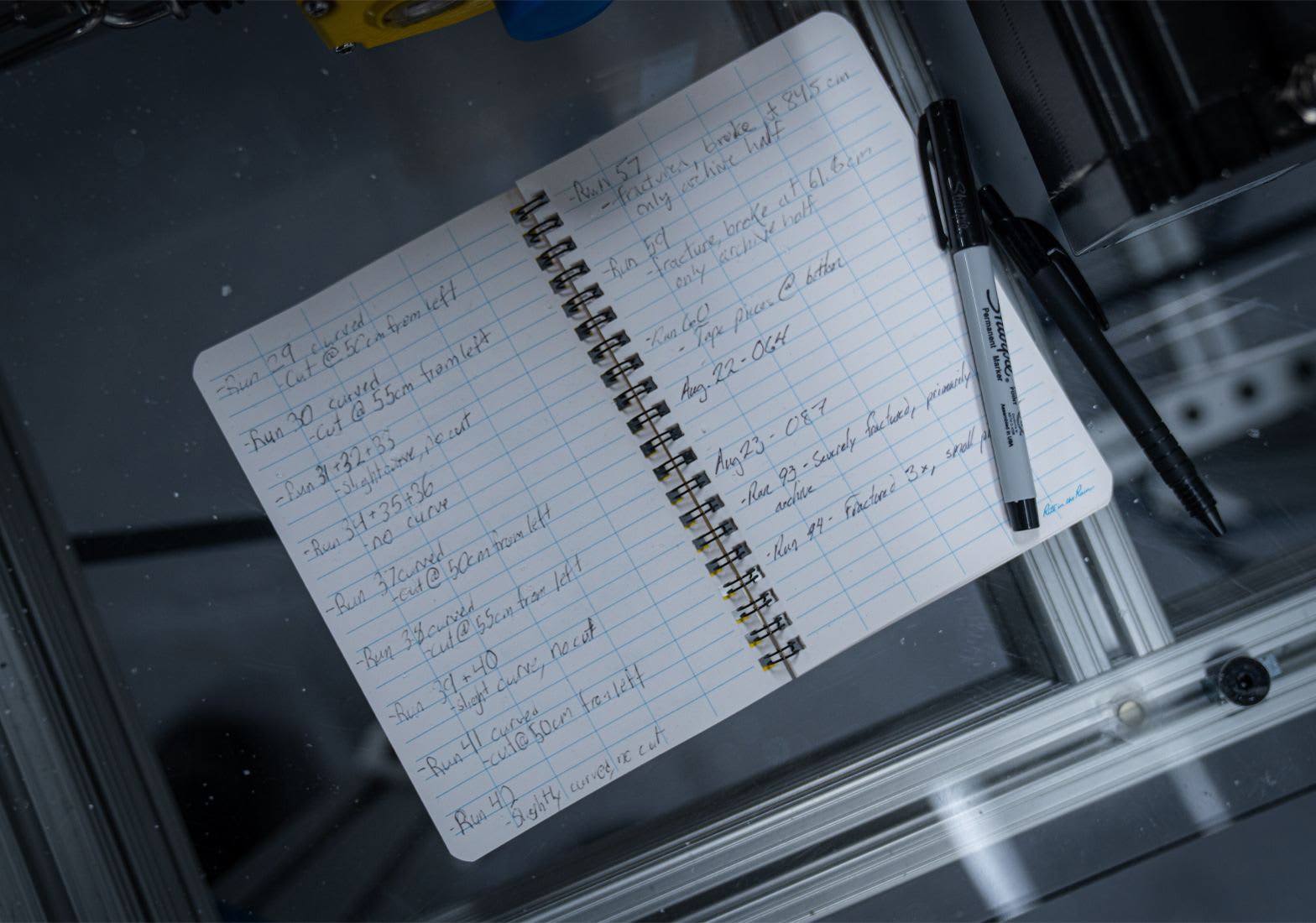
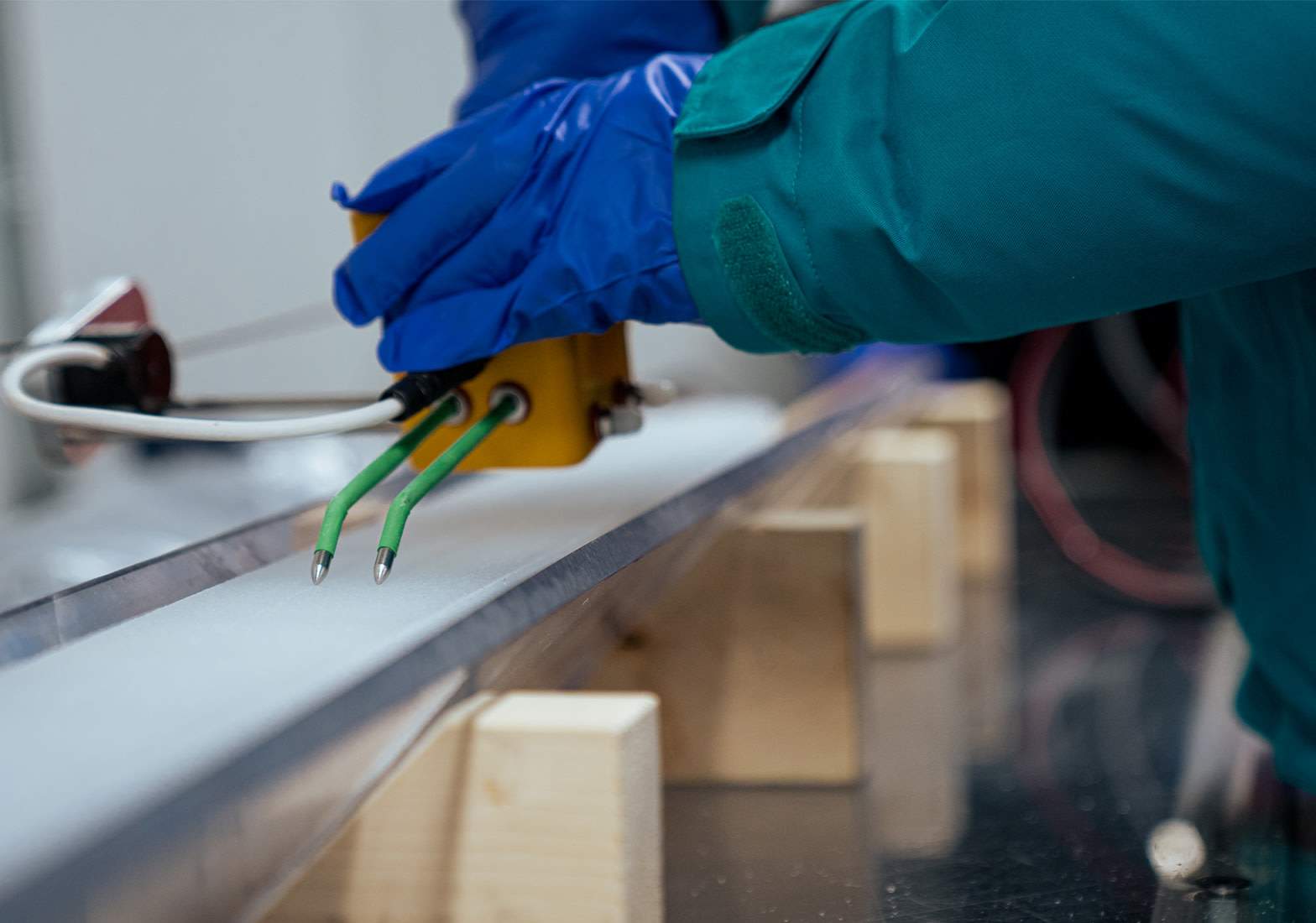
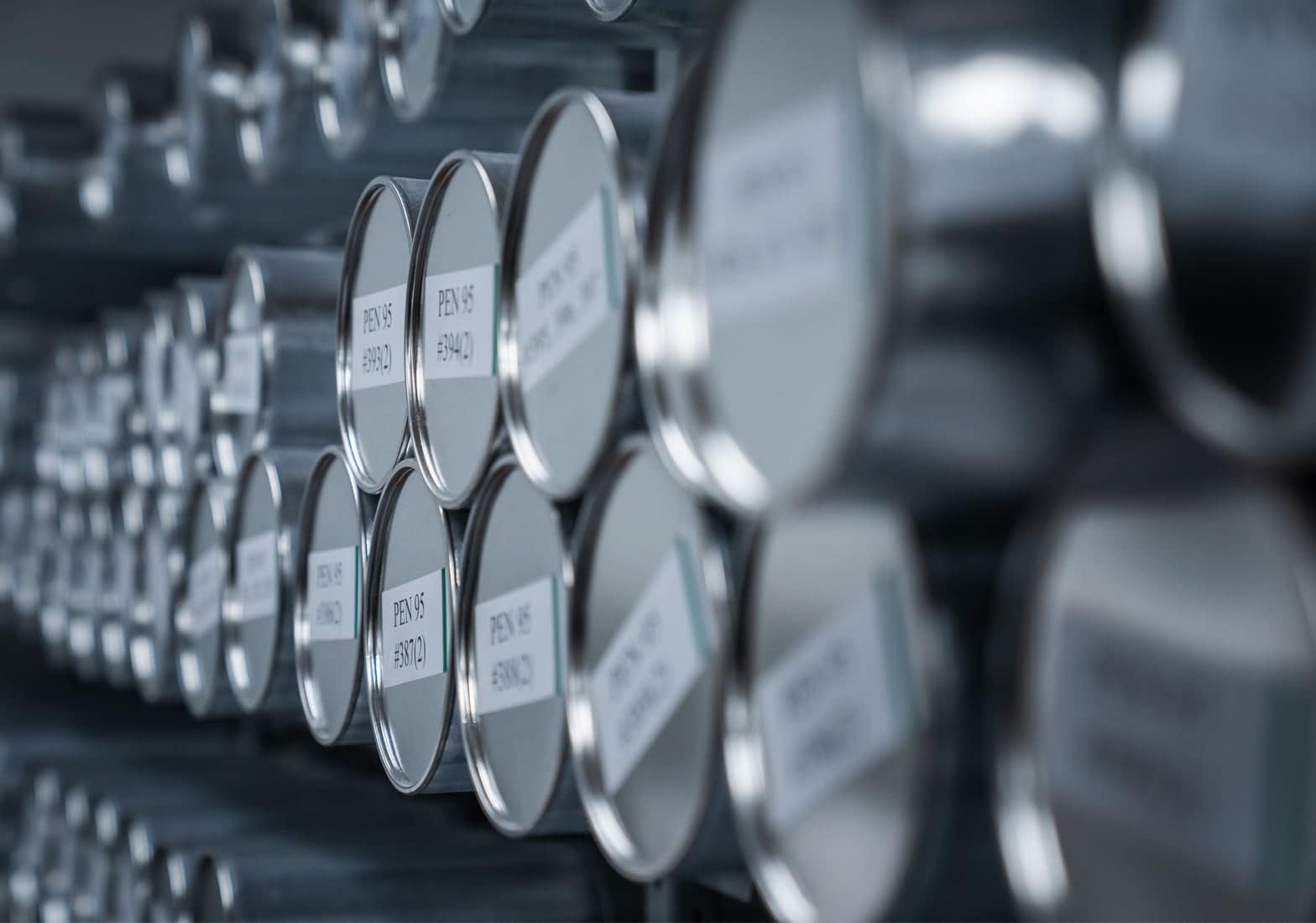
Retrieving an ice core that deep is critical for reconstructing climate records over long timescales. So far this has been largely restricted to polar ice, but the work that Criscitiello has done will expand this research to new latitudes and broaden our understanding of global atmospheric changes. Now safely back in her laboratory in Edmonton, Criscitiello and her colleagues can carefully cut, image and process the ice, analysing it for a range of species from volcanic and wildfire ash to marine aerosols deposited on the ice from the sea, each measurement allowing them to reconstruct a different part of the environmental history in the region.

These miniature time-capsules also hold the possibility of discovery. For Criscitiello, what she might find remains a mystery. Whatever is found, it will help scientists like her to tell the story of the Earth’s climate and provide insights into its next chapter. This goal continues to motivate Criscitiello in bringing together her passion for research and adventure.
I hope what we learn from this ice core is something so new that I couldn’t tell you right now what it is.
“There is something so special to me about Mount Logan. It really is the first time that everything about my background and experience and what I love have come together. A huge part of what drives me in my life is physically pushing myself in these places. Doing that concurrently with pushing the science is euphoric.”