Shortcuts

In the cloud forest
National Geographic Society
Published in
As part of the Rolex and National Geographic Perpetual Planet Amazon Expedition, Quechua biologist and National Geographic Explorer Ruthmery Pillco Huarcaya is searching for Andean bears that regenerate cloud forests which feed water into the Amazon River basin.

A bear’s role in the freshwater cycle
Mist rolls across the cloud forests of the Andean mountains and permeates the luscious vegetation blanketing the ground. An important source of water for the Amazon River basin, the cloud forests are home to the Andean bear, a timid but charismatic animal that regenerates the forests as it roams the harsh, wet landscape. The Rolex and National Geographic Perpetual Planet Amazon Expedition has set out to define the critical and interconnected functions of the basin. With support from long-term academic collaborator and fellow National Geographic Explorer Andrew Whitworth as well as her field team – including key members such as biologists Norma Mamani, Elias Condori and Mark Thomas, veterinarian Diego Rolim and local assistant Narciso Llacta – Ruthmery Pillco Huarcaya is gaining an insight into how Andean bears are interacting with their habitat and what this could mean for the forests’ future, and that of the river basin.

The eyebrow of the rainforest
The cloud forests, which sit at altitudes ranging from 2,200 to 3,500 metres and above, play a crucial role in the Amazon’s water cycle. The trees, mosses and array of flowering plants draw moisture from the fog they are bathed in, rising from the Atlantic Ocean. Like a vast sponge, the forest then slowly releases the water into the soil. Eventually, streams and rivers form that feed into the Amazon River basin. In Peruvian Spanish, the cloud forests are known as ceja de selva, “the eyebrow of the rainforest”. At the bottom of the eyebrow are lowland forests, dark and damp, while at the top lie sunlit grasslands.
The cloud forests are currently threatened by deforestation, which is reducing habitat and drying the region. This is compounded by climate change that is increasing the number of wildfires as the weather becomes hotter and drier. As a result, the base of the lowland forests is being pushed higher, but the cloud forests are unable to move as fast into the harsher grasslands above.

Guardians of the water
Hope lies in Andean bears. As they move through different types of forests, they disperse seeds from the plants they have eaten. “After the seeds pass through the digestive system of the bears, they pass organic material that can protect them and help the seedlings grow,” explains Pillco Huarcaya. With the bears’ assistance, the seeds have a better chance of surviving the hot days and cold nights of the grasslands.

Pillco Huarcaya grew up in a small town high in the Peruvian Andes and visited the cloud forests with her father to collect seeds and plant seedlings. Understanding how the bears can assist the cloud forests to move up the mountains will help her protect this ecosystem for generations to come. Whitworth visits the study area occasionally as a scientific advisor, while Pillco Huarcaya, as a local, spends weeks on multiple expeditions in the cloud forests, tracking the bears’ population, movement, behaviour and diet.
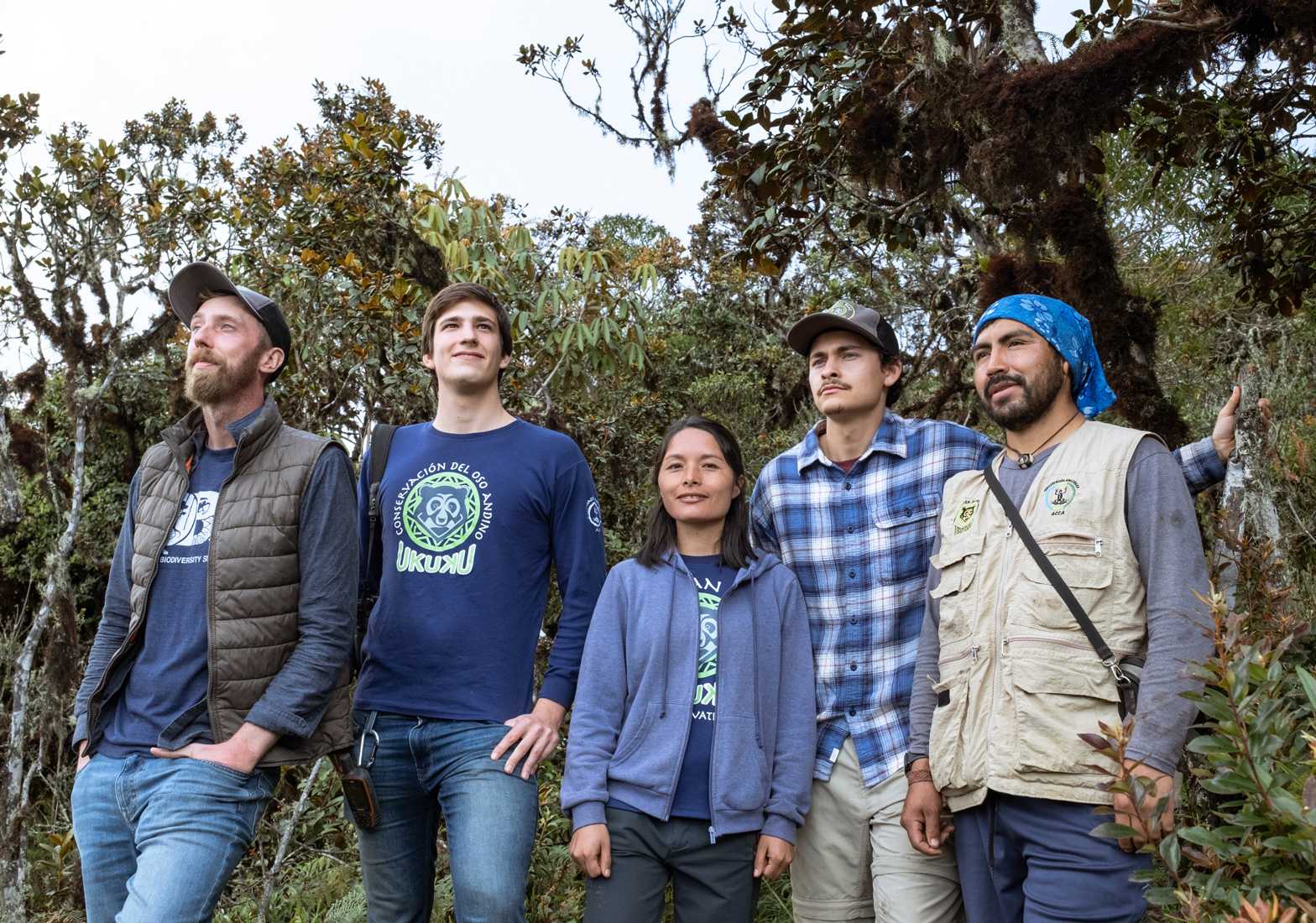
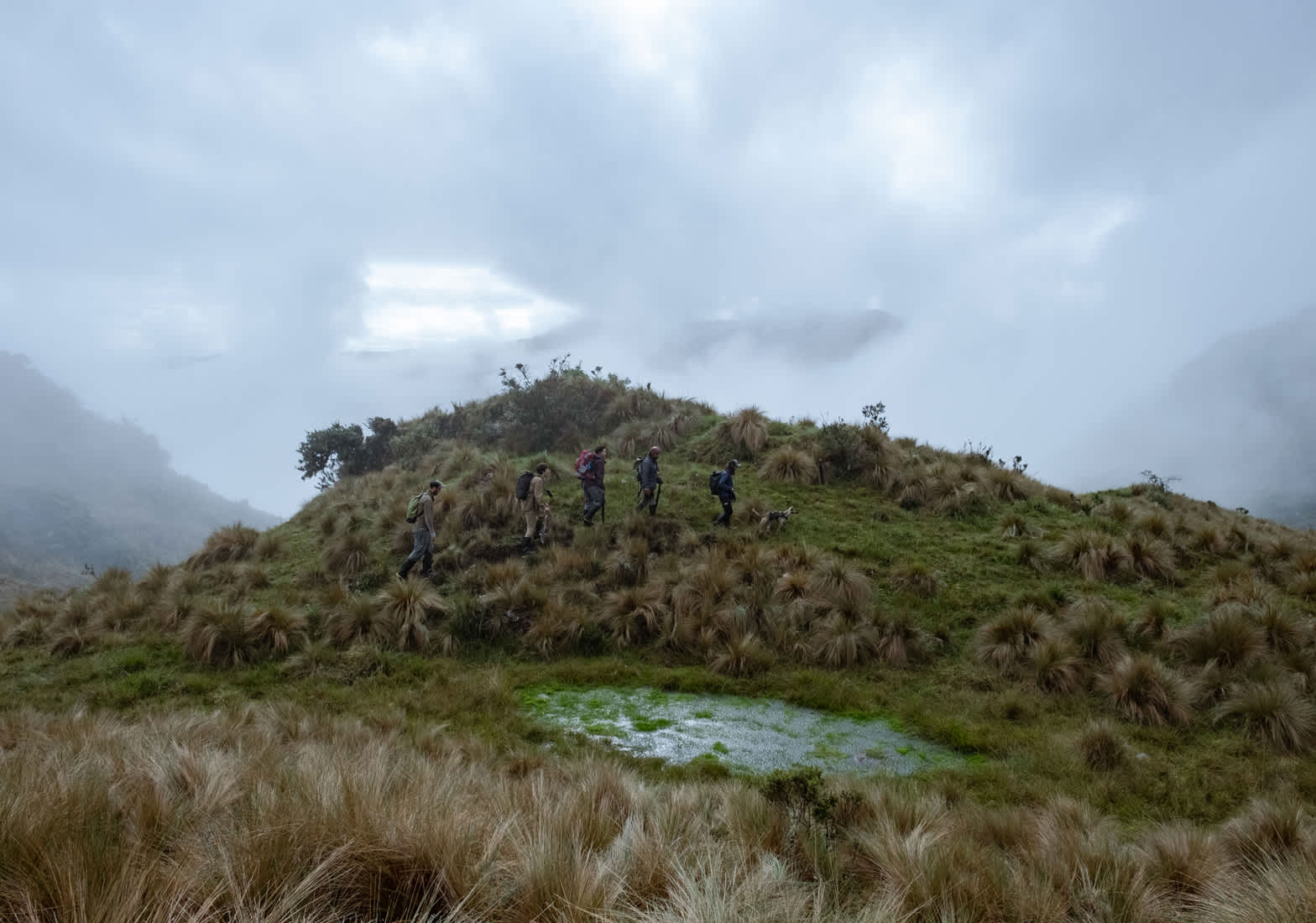
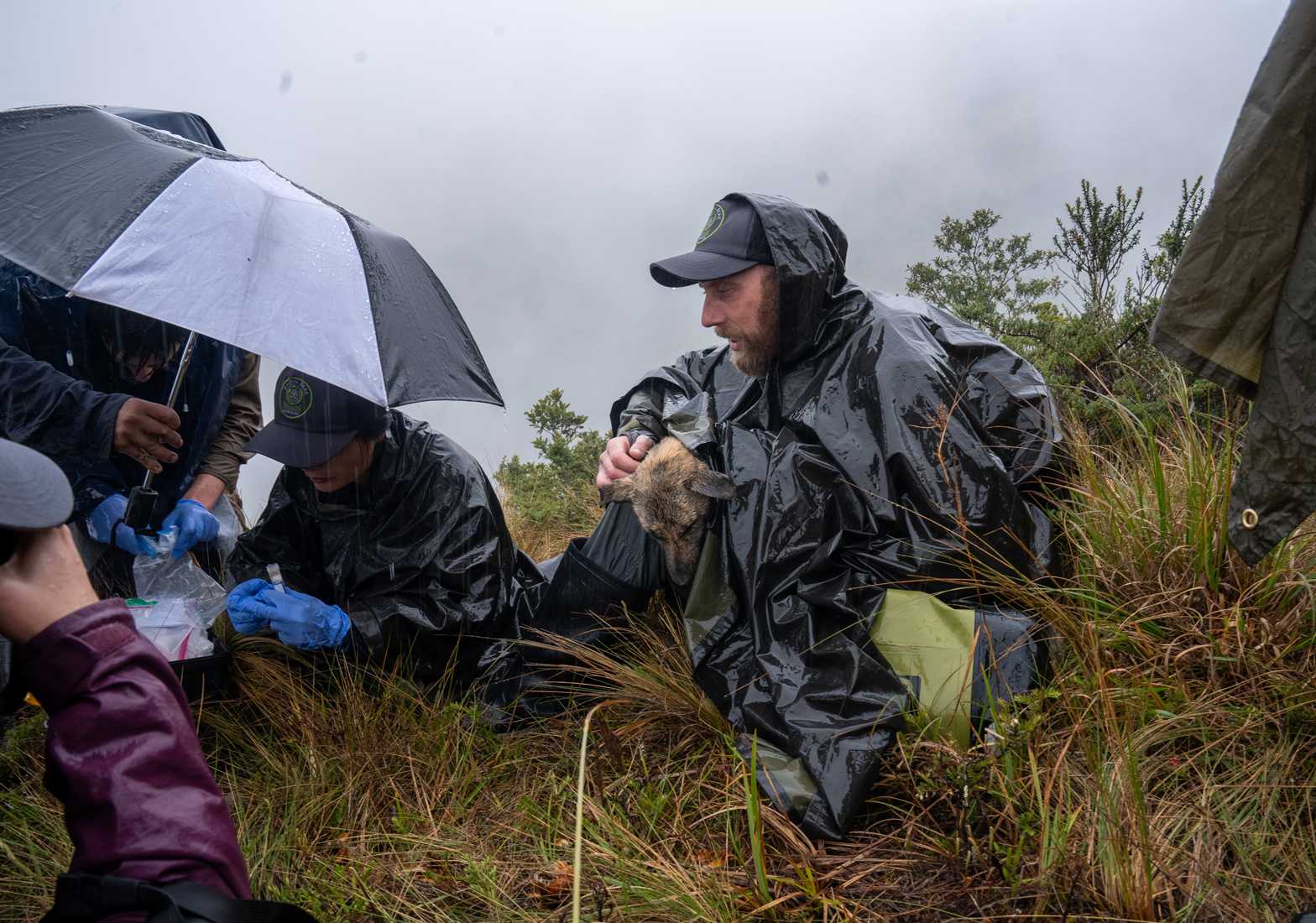
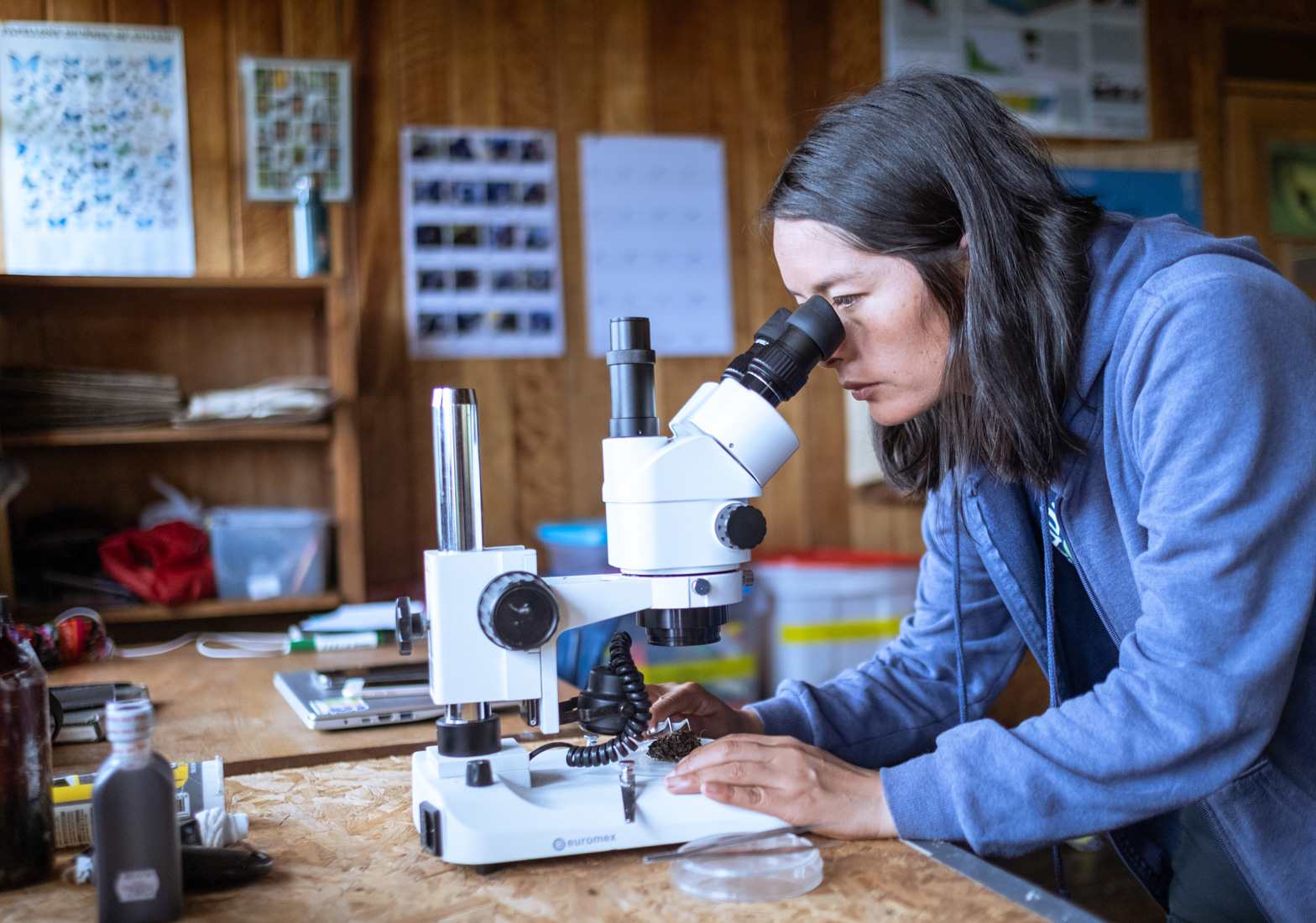
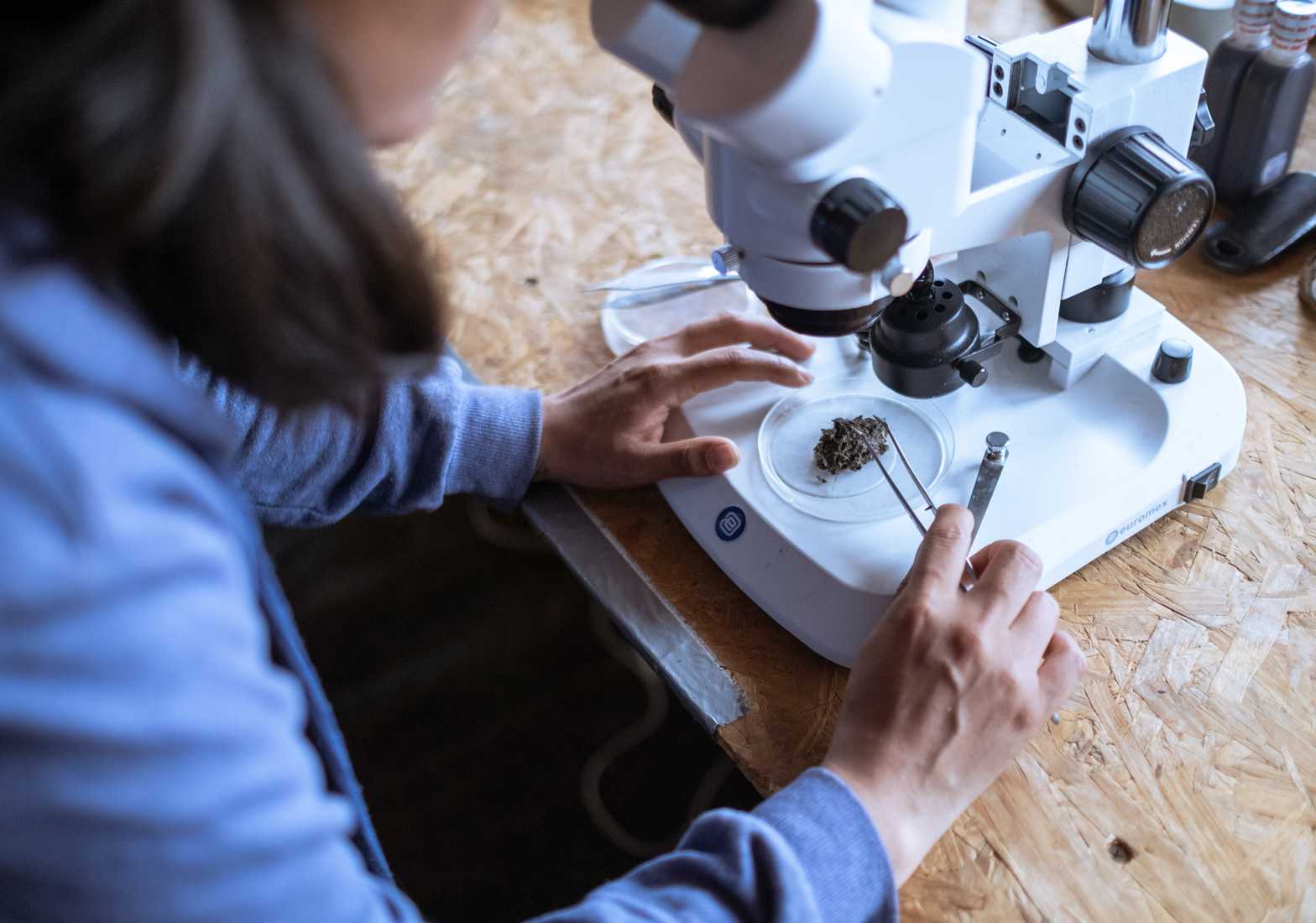

On previous trips, she has used camera traps to show that the bears are living throughout the cloud forests, and are able to move long distances up and down the sheer slopes. “These bears need a big home range where they can reproduce and find food,” Pillco Huarcaya says. Recognized for their important role in the ecosystem, they are known in Andean culture as Ukukus, semi-gods. “The Ukukus are the guardians of the glacier, the guardians of the water,” she adds. However, despite their iconic status, Andean bears are threatened by deforestation and poaching.
The Ukukus are the guardians of the glacier, the guardians of the water.

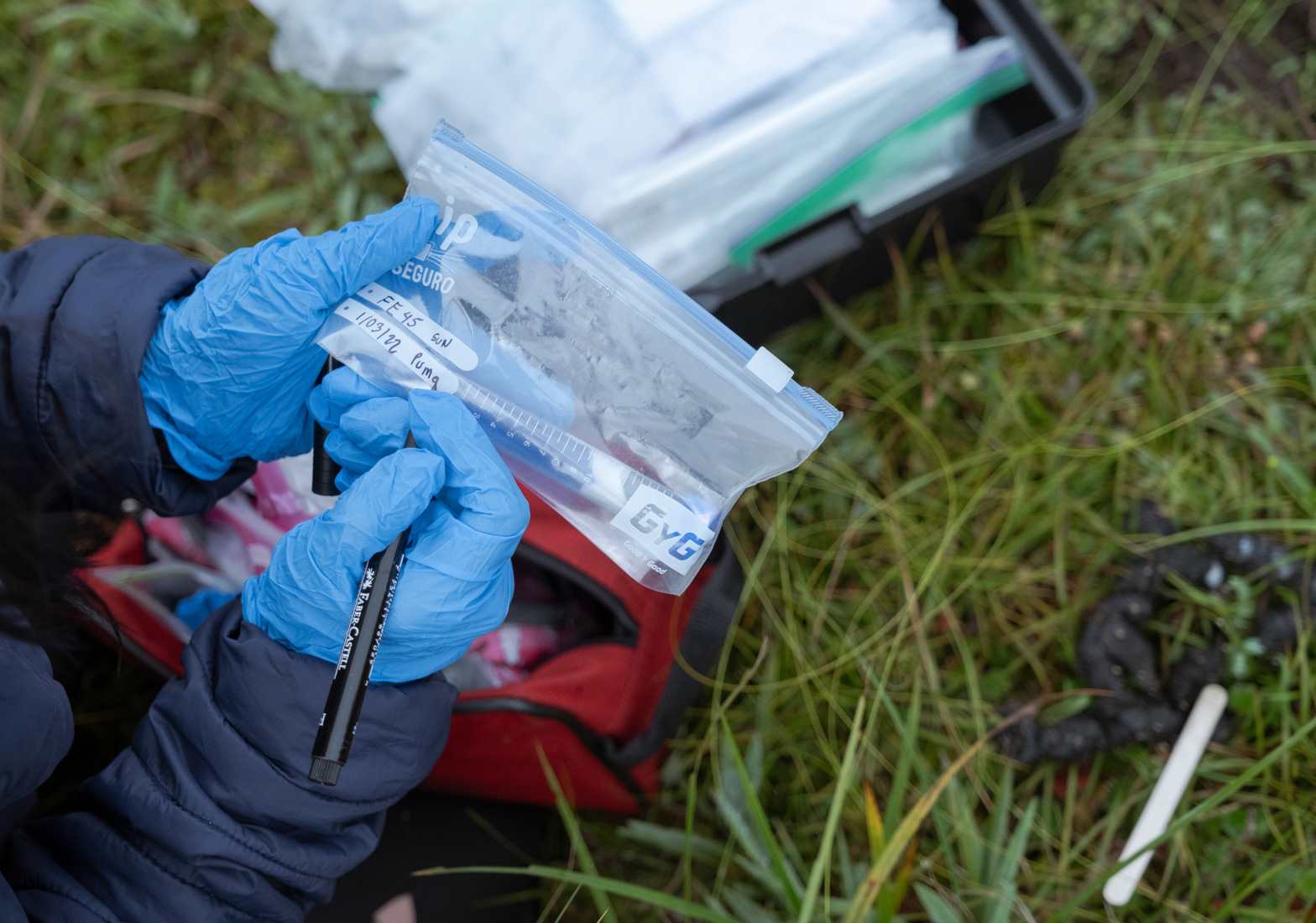
Now the team is setting up more camera traps and capturing bears to fit them with satellite collars to track their movements more closely. With such a shy animal in such challenging terrain, this is no easy feat. In her two years studying the cloud forests, Pillco Huarcaya has only ever seen five bears in the wild. So, the team is also looking for the clues that bears leave behind – scratches on trees and traces of DNA on vegetation and in streams. They collect samples of the bears’ scat, too. Thankfully, they have a special assistant for this job – the team dog, Ukuku. Any scat Ukuku sniffs out is sent to a laboratory for analysis, providing insight into the bears’ varied diet, and how they are using their habitat. As Whitworth points out, “All of these new technologies that we’ve used have opened up a different aspect about bear life that we really had no idea about.”

All of these new technologies that we’ve used have opened up a different aspect about bear life that we really had no idea about.
Future of the forests
The knowledge gained by Pillco Huarcaya’s team and Conservacion Amazonica (ACCA) is essential for working with local communities, in order to demonstrate the bears’ ecological importance for the sustainability of the forests and their water resources. Without the input of local communities, it will be almost impossible to improve and expand the protection of the bears.
Pillco Huarcaya and Whitworth can also share their research with other scientists and explorers working across the Amazon as part of the Rolex and National Geographic Perpetual Planet Amazon Expedition. “I think what makes it interesting is the diversity of researchers across the system, with everybody trying to understand the system as a whole,” says Pillco Huarcaya. This interdisciplinary approach will be vital in finding the best ways to safeguard the complex ecosystems that sustain the Amazon rainforest, its wildlife and human communities.