
These trees are under threat, but we don’t know how.

National Geographic Society
Published in
The resilience of the Amazon wetlands is dependent on the rhythms of its seasonal flooding. Over the past year, with support from the Rolex Perpetual Planet Initiative and the National Geographic Society, Thiago Silva and Julia Tavares have been studying the complexity of this threatened ecosystem.

Since April 2022, the seven teams of Explorers and multidisciplinary scientists who form the Rolex and National Geographic Perpetual Planet Amazon Expedition have been travelling deep into the Amazon. Their scientific focus is on the region’s waterways, from the glaciers in the high Andes to the mighty Amazon River’s mouth in the Atlantic Ocean.

One of these teams is comprised of National Geographic Explorers Thiago Silva and Julia Tavares, who are working from a remote research station to understand the wetlands in the Mamirauá Sustainable Development Reserve, which was established by a Rolex Awards for Enterprise Laureate, the late José Márcio Ayres.
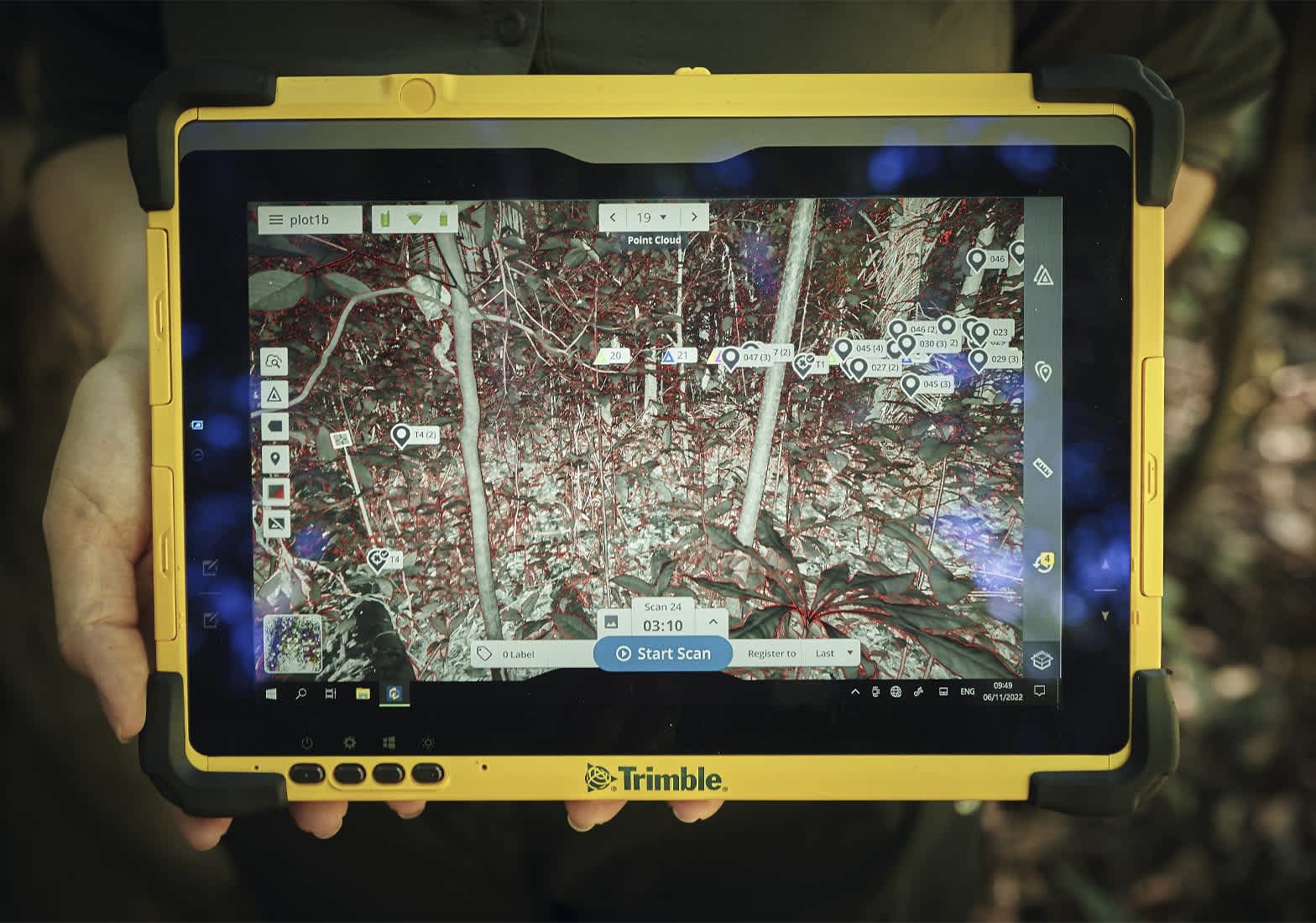
Silva and Tavares are taking two different approaches, with Tavares looking at the fine details, down to the thickness of individual leaves, and Silva taking a broader view, scanning great swathes of forest with Light Detection and Ranging (LiDAR) technology. By combining their findings, they are creating a detailed virtual model of the wetland forests.

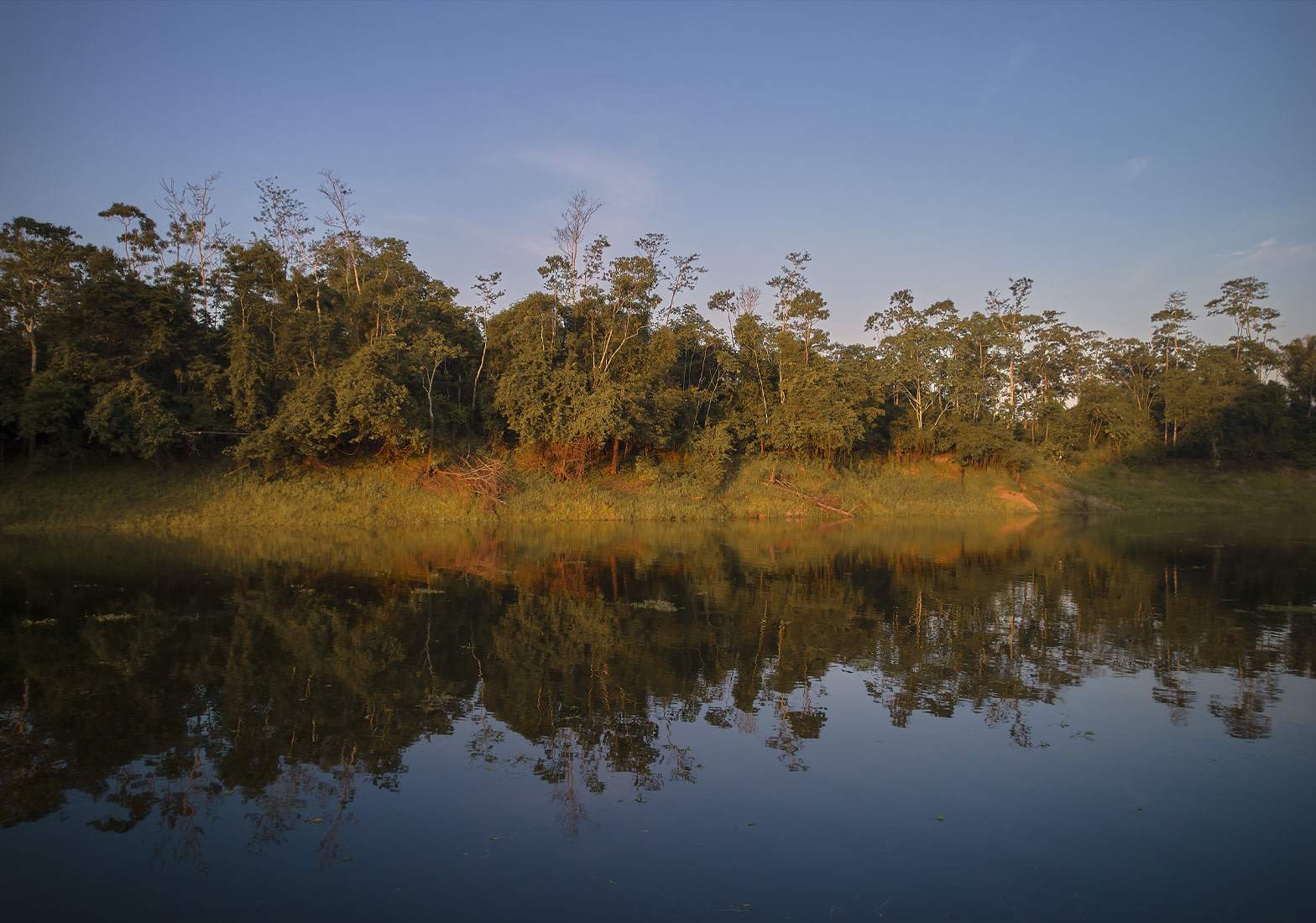
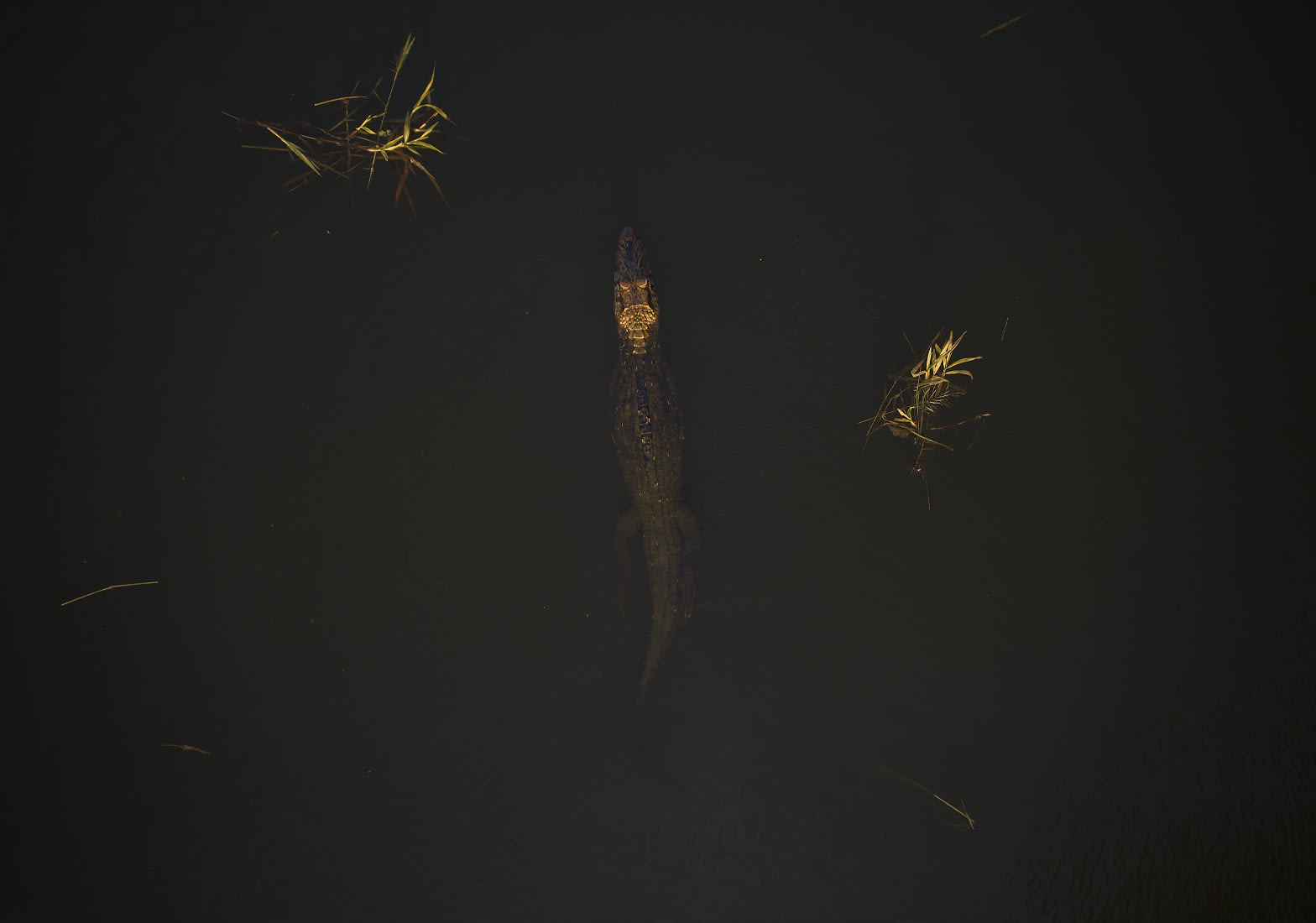
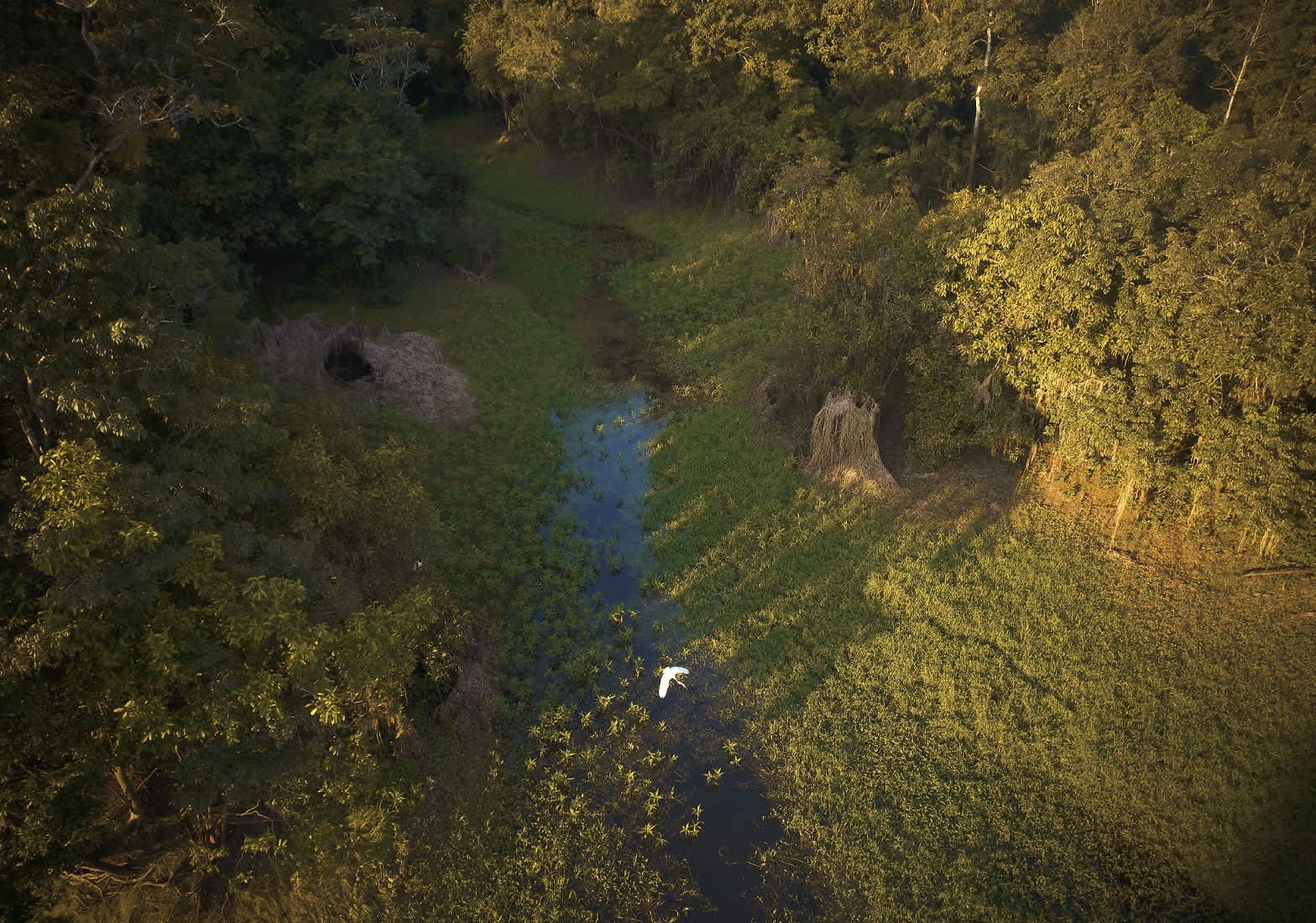
A unique ecosystem has evolved across the vast wetland forests of the Amazon basin. As the rainy season gets under way around May, the Amazon River and its tributaries swell and burst their banks, inundating the surrounding floodplains. Trees along the riverbanks are submerged by up to 12 metres of water yet survive for months until the waters recede by September.
This cycle of flooding has created a distinctive biome of flora and wildlife that is adapted to survival both above and beneath the water level. Fifty-two per cent of tree species in the Amazon have been recorded in wetlands. These areas support a wealth of life, including thousands of people who depend on them for transportation, timber and fishing. Yet despite their undeniable importance, they remain scientifically understudied.

Now the fluctuating environment is under threat as climate change, deforestation and damming for hydroelectric power disrupt the natural flood cycle. Guided by the extensive and precise knowledge of local people, Silva and Tavares are bent on understanding how the flooded forests can be so adaptable. They hope their findings will help form prediction models of how the wetlands will react to these newfound threats, allowing for them to be better protected before it is too late.
“Things are changing very fast in a system that we know very little about. We don’t even know what we could be losing or how fast because we don’t understand how the system responds to those changes,” says Silva.
Things are changing very fast in a system that we know very little about. We don’t even know what we could be losing or how fast because we don’t understand how the system responds to those changes.

Silva is both an ecologist and computer scientist, and lectures in environmental informatics at the University of Stirling in Scotland. He is motivated by the task of building a virtual model of the flooded forest using LiDAR technology.
“I hope in the future I can put my goggles on here at home and I can be there and see the water flowing through the trees. I can see the temperature changing, above and below the canopy,” he says.
Combining his passion for technology and the natural world, Silva describes himself as a “digital ecologist”. His LiDAR scanners use lasers to map an area in incredible detail, down to individual leaves; and when mounted on a drone, they can map a square kilometre of forest in 20 minutes. Traditional inventories took several people a full day to cover a 50 x 50 metre plot.
“I’m bringing the whole forest back with me – every single tree, every single branch. And I can go back next year and scan again and know exactly which trees grew, which ones fell down and which ones lost branches,” he says.
By tracking the health of the wetlands with such accuracy year on year, Silva can highlight areas that need protecting before the damage becomes irreparable.
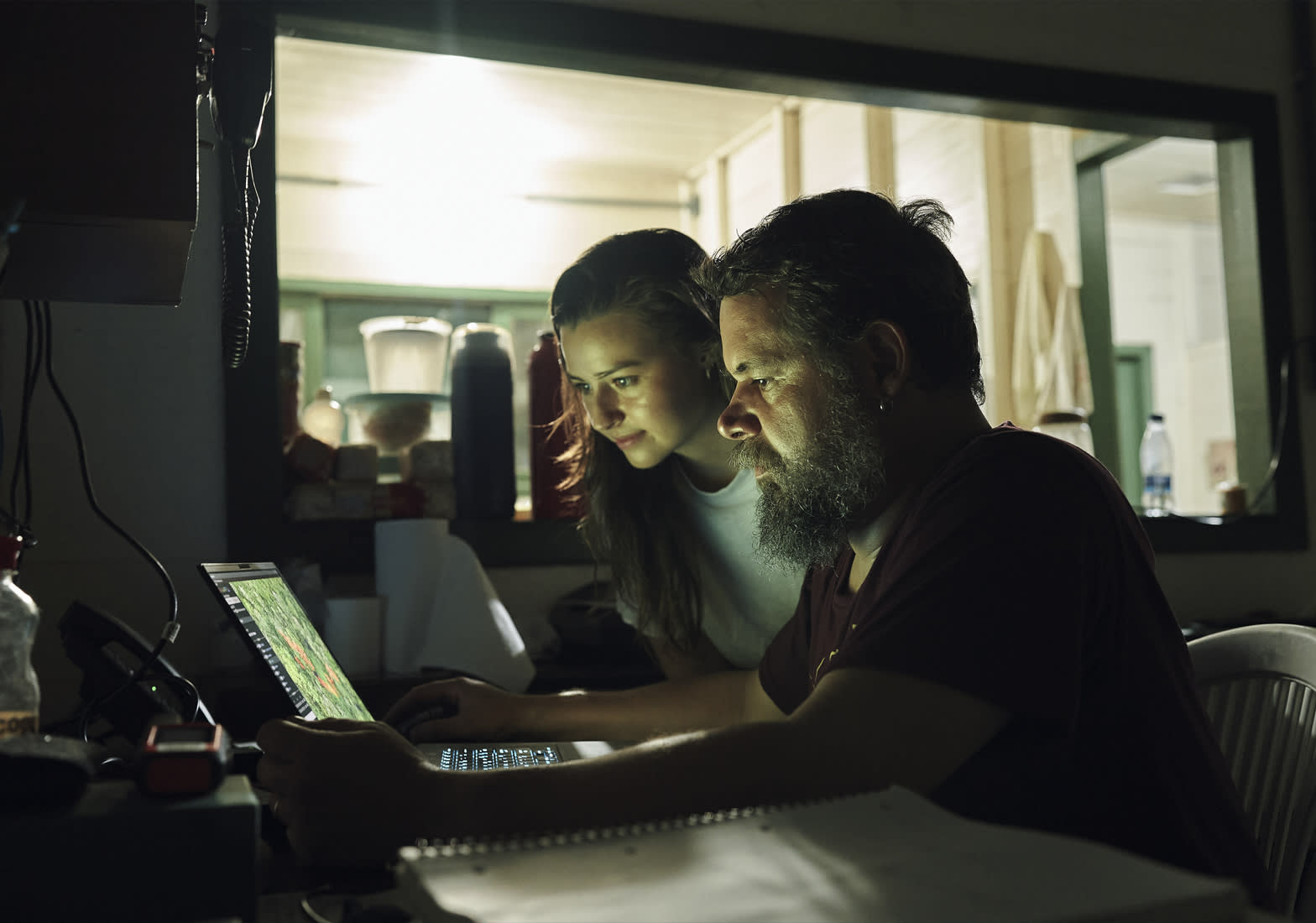
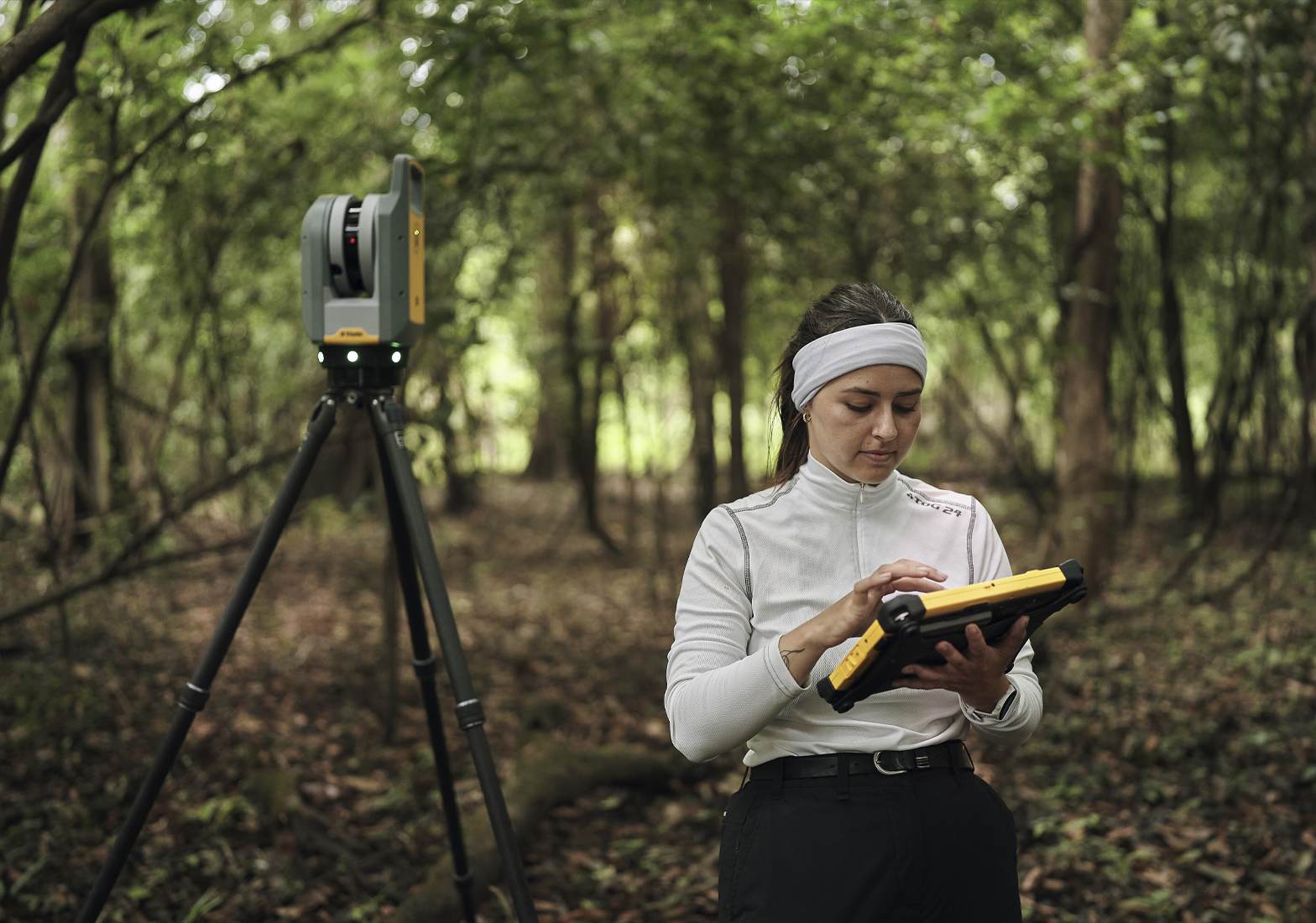
While Silva takes a broad overview of the wetland areas, Tavares is examining the trees in minute detail to understand their physiology and ascertain how they are able to survive in their changing environment. Describing herself as a plant ecologist, she sees her role as taking samples from the trees to analyse their water content. This reveals much about the trees’ health and will show how they are affected by the changing weather patterns. She is also setting up a makeshift laboratory in the forest to analyse other physiological and structural tree properties.
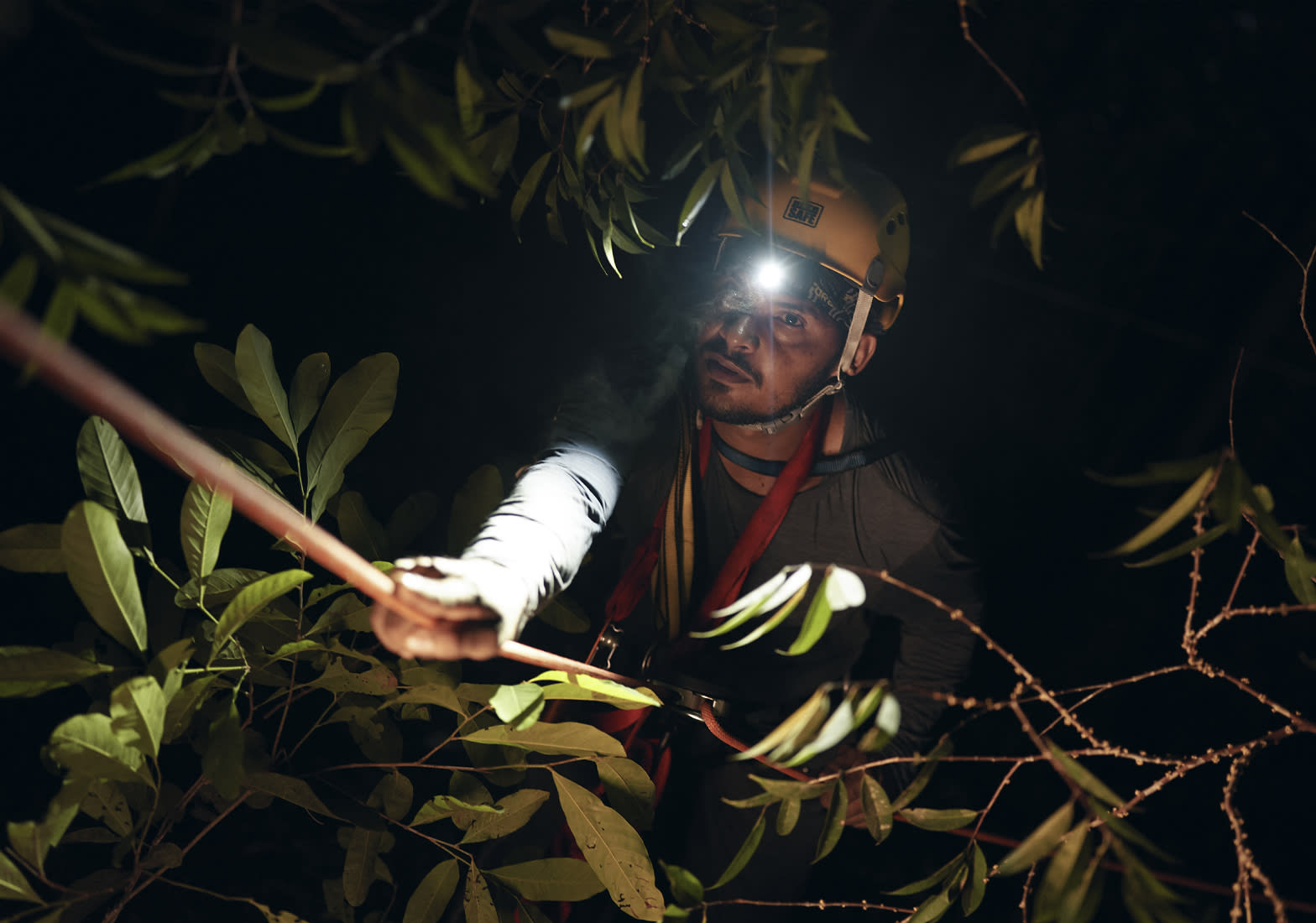
Tavares’ team of climbers ascends 25 to 30 metres to the treetops to cut branches from the canopy of the forest. This task must be completed at 3 am before sunrise, when the trees start photosynthesizing and produce an unbalanced water ratio. Some samples are kept in an ice box to halt the metabolic process, allowing the sugar and starch levels of leaves and branches to be measured. In a portable lab in the field station, the team also induces water shortage in a branch of all sampled trees and measures the amount of air bubbles produced throughout the drying process. The outcome of this experiment is an important indication of different tree sensitivity to drought or lack of water.
These trees are under threat, but we don’t know how.
“These trees are under threat, but we don’t know how,” says Tavares. She is concerned that the prevalence of more extreme weather events could put the survival of the wetland forests at risk, but by improving understanding of “how” changes to the climate are damaging the trees, she can better inform conservation organizations how to protect them.
Silva and Tavares are shedding light on one of the Amazon’s most under-represented regions, bringing a new understanding of its ecosystems that will pave the way for their protection. Along with the other Explorers on the Rolex and National Geographic Perpetual Planet Amazon Expedition, they are deepening our understanding of the biggest and most biodiverse freshwater ecosystem on Earth.