Shortcuts

Saving the sacred condor
Published in
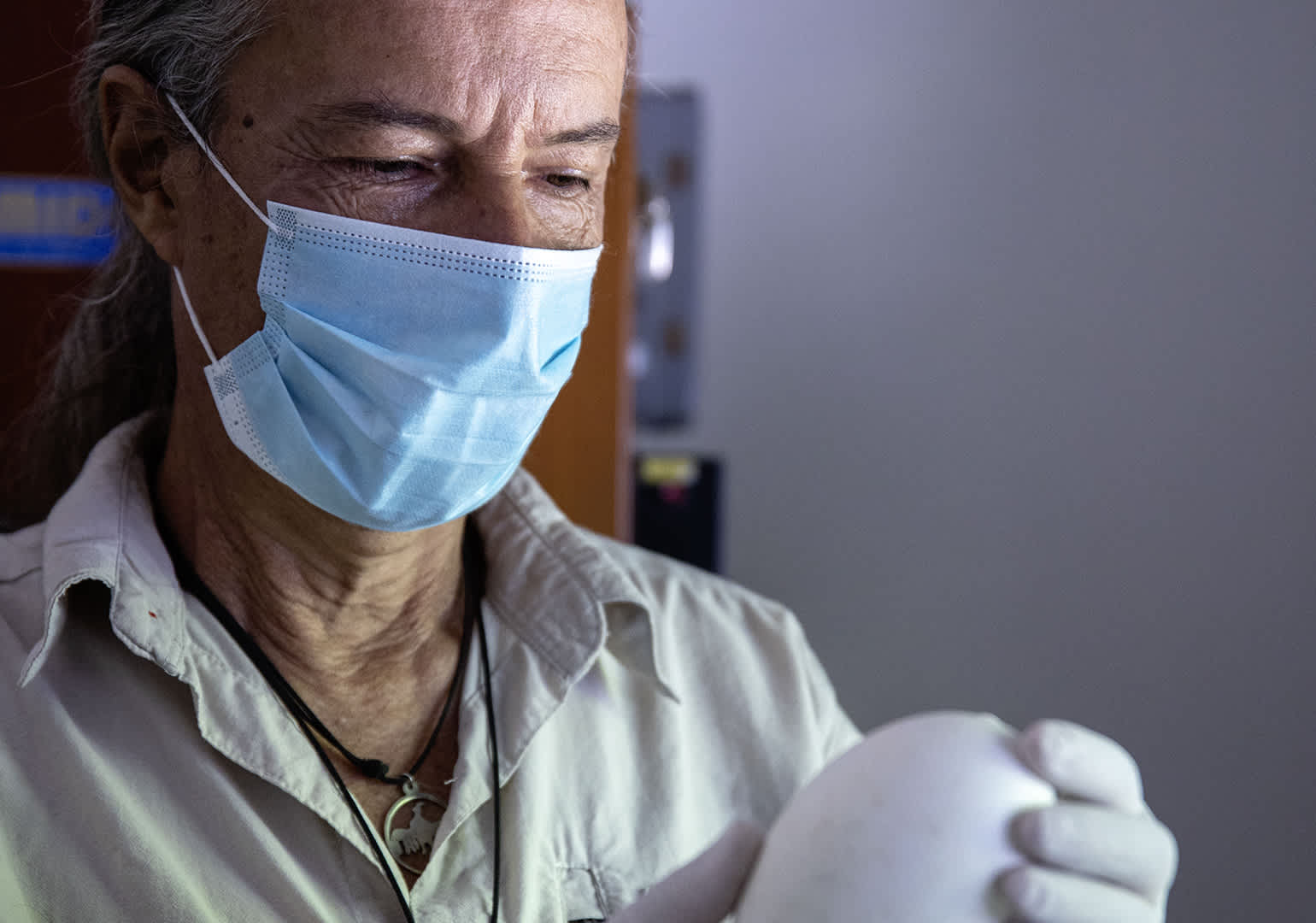
Two centuries ago, the Andean condor soared across the skies of the Andes, but today its population has been massively reduced mainly by human interventions. For over three decades, Argentine biologist Luis Jácome has been working to save one of the world’s largest flying birds from extinction.
Luis Jácome was born in the port city of Buenos Aires. While he describes Argentina’s capital and most famous metropolis as situated on a wide plain of very fertile land, from an early age he instead “always dreamed of the mountains”. In 1982, at age 22, he climbed his first mountain, Cerro López (2,188 m), and saw condors flying above, through a roaring wind. That night he dreamed of condors, likening them to “the eternal snows of our mountains” and understanding their ecological role – and vulnerability to extinction.
Many years later, he discovered through the local indigenous Mapuche community that Cerro López is considered a sacred place which provides people with a view of their purpose in life. “The ancestors had somehow given me a vision that in my hands was the job to make sure the condors did not disappear.”

As leader of the Andean Condor Conservation Project, Jácome has, since 1991, been spearheading efforts to prevent the extinction of these birds. The condor, he says, is “an important animal, a scavenger that plays a key role as a cleaner. With its powerful beak, it can open the hard bodies of dead animals so that smaller scavengers also have access.” Flying at an altitude of up to 10,000 m, the condor can travel 300 km in a day. Gifted with remarkable eyesight – “if a human being had the sight of a condor, their eyes would be the size of grapefruits,” he points out. They can spot carrion from kilometres away.
And, for thousands of years in Andean cosmology, the condor has had another even more important role as a sacred link between humans and God. “Andean men and women don’t speak directly to God,” Jácome explains. “They speak to the condor and the condor carries away their prayer.”
[The condor] is an important animal, a scavenger that plays a key role as a cleaner. With its powerful beak, it can open the hard bodies of dead animals so that smaller scavengers also have access.
When he started work at the Conservation Project breeding programme, “the condor was showing unmistakable signs of vulnerability to extinction”. Farmers were putting poison on dead livestock in order to kill large predators, but the condors ate the carrion, resulting in massive deaths. In addition, these large vultures fell victim to unscrupulous hunters as well as to environmental disturbances. The result: populations of the bird that Charles Darwin famously observed in his travels around South America in the 1830s were fast disappearing.

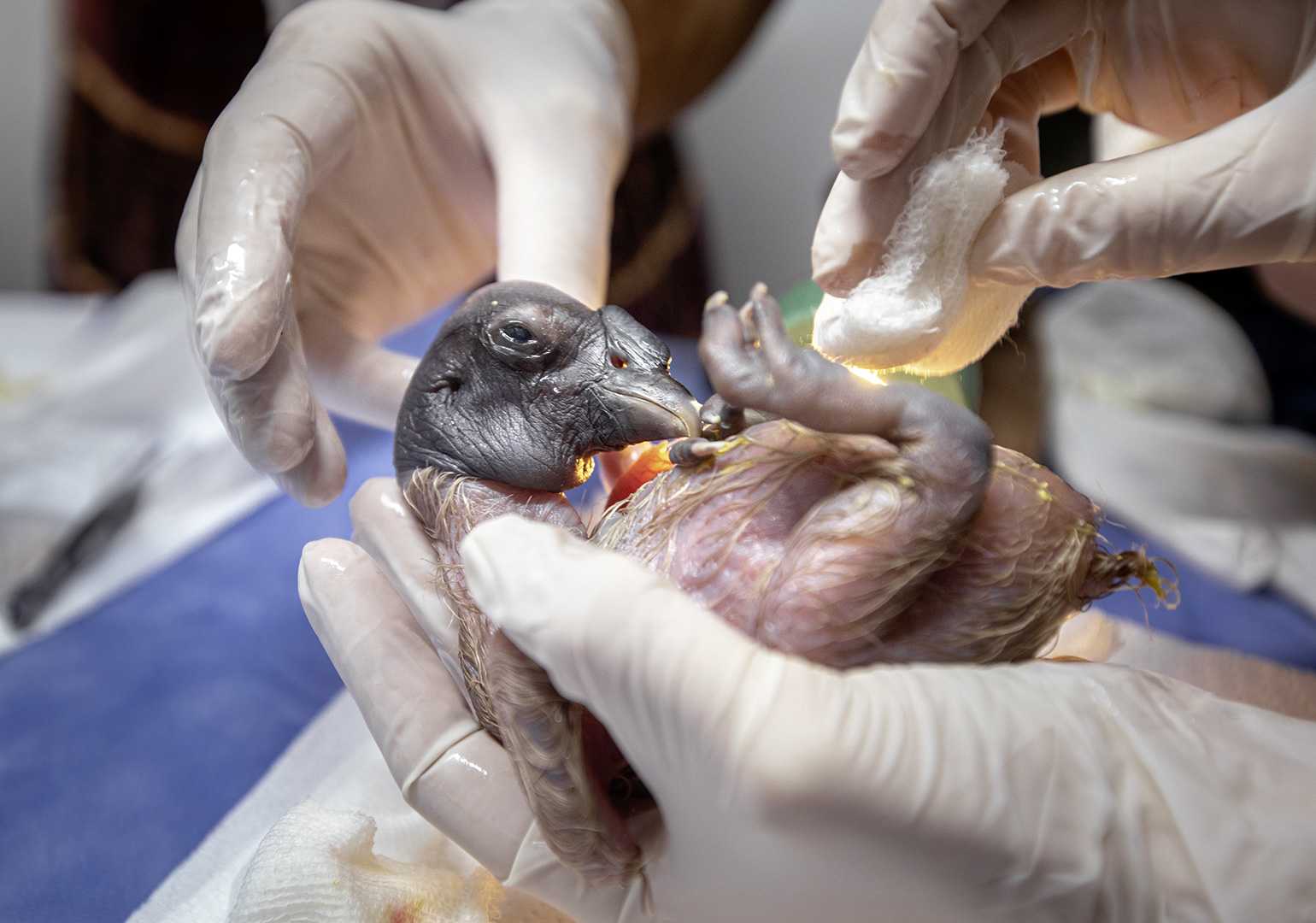
Jácome’s hard work and dedication were recognized in 1996 when he was selected as a Laureate of the Rolex Awards for Enterprise. The following year, he and his colleagues released the first condor chick born in captivity in Latin America. Condors have a very low reproduction rate, with the female laying only one egg per season and then spending two years raising the single chick. But, in captivity, if an egg is removed from the female bird, she quickly lays another. As a result of this, Jácome and his team have been able to borrow eggs and raise 79 chicks from birds in captivity. The process of raising them though is complicated: in order to prevent the young birds from identifying with humans (from whom they face risk of death), team members use latex puppets that look like condors to handle them. “This puppetry process lasts about two months, after which birds of the same age are put into enclosures, forming a flock alongside adult condors.”

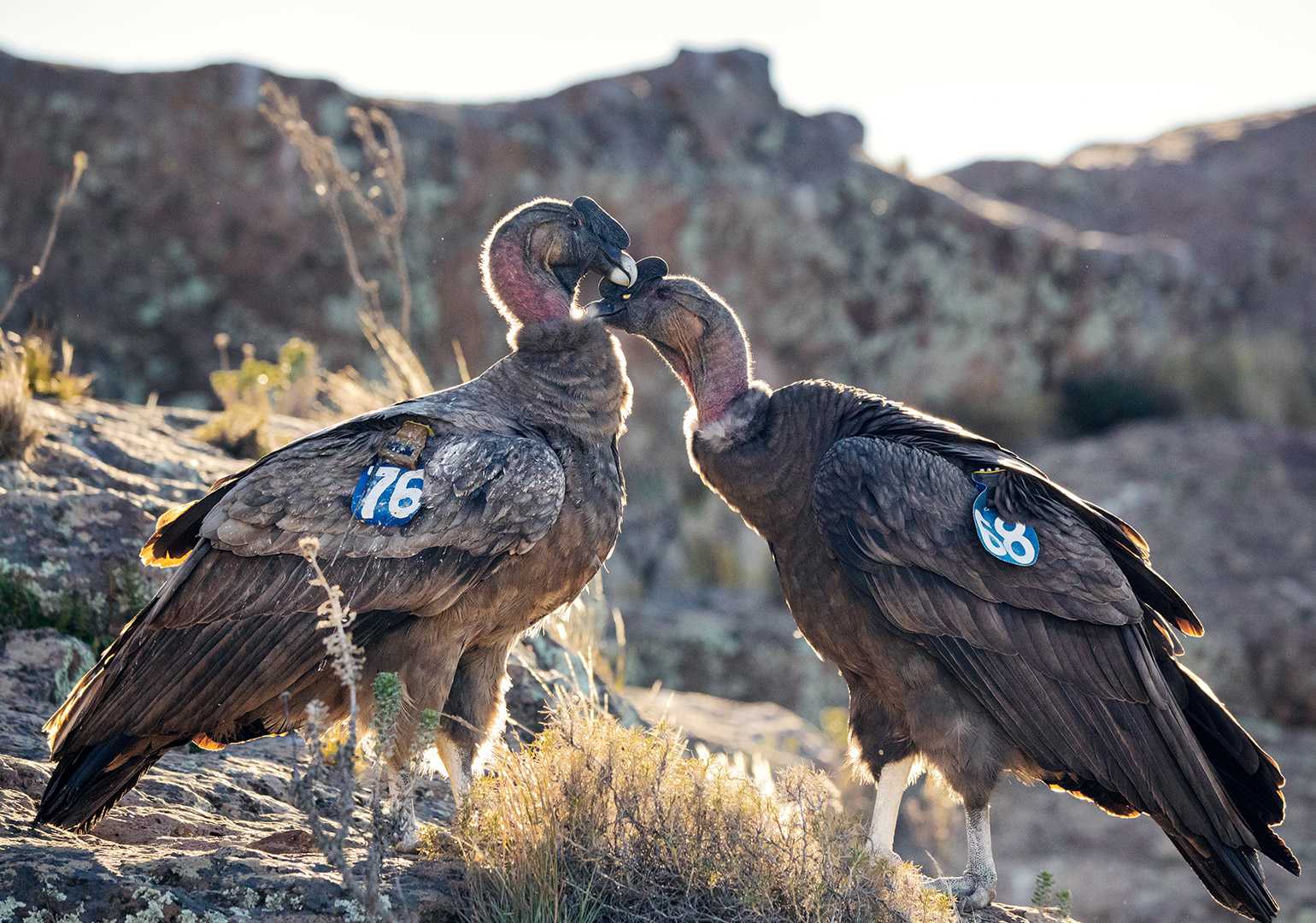
The introduction of these birds into the wild is complex and labour-intensive, requiring two people to observe each bird during its first days of release. Wearing GPS signallers, the condors are followed by their minders. When they land at night and go to sleep, the minders deposit large pieces of meat beside them so the birds have food the next morning.
Although Jácome has not sought publicity for the release of the condors, each of these events can attract up to 3,000 visitors, with experts coming from as far away as Japan and Australia.
Jácome and his team also rescue many condors, including those that collide with power lines and those poisoned when they eat animals killed by humans shooting lead bullets. “Mankind should stop hunting animals with lead bullets because they are toxic,” he says.

When we started to follow condors with a satellite monitoring system, we saw that they fly distances of thousands of kilometres.
Combining the chicks hatched in captivity and the condors that have been rescued, a total of 219 of these majestic birds have been released since December 1997. To track them, Jácome cooperated with NASA’s Goddard Space Flight Center to develop tiny satellite transmitters that show where the birds travel. “It was fantastic,” he says. “When we started to follow them with this satellite monitoring, we saw that condors fly distances of thousands of kilometres.”
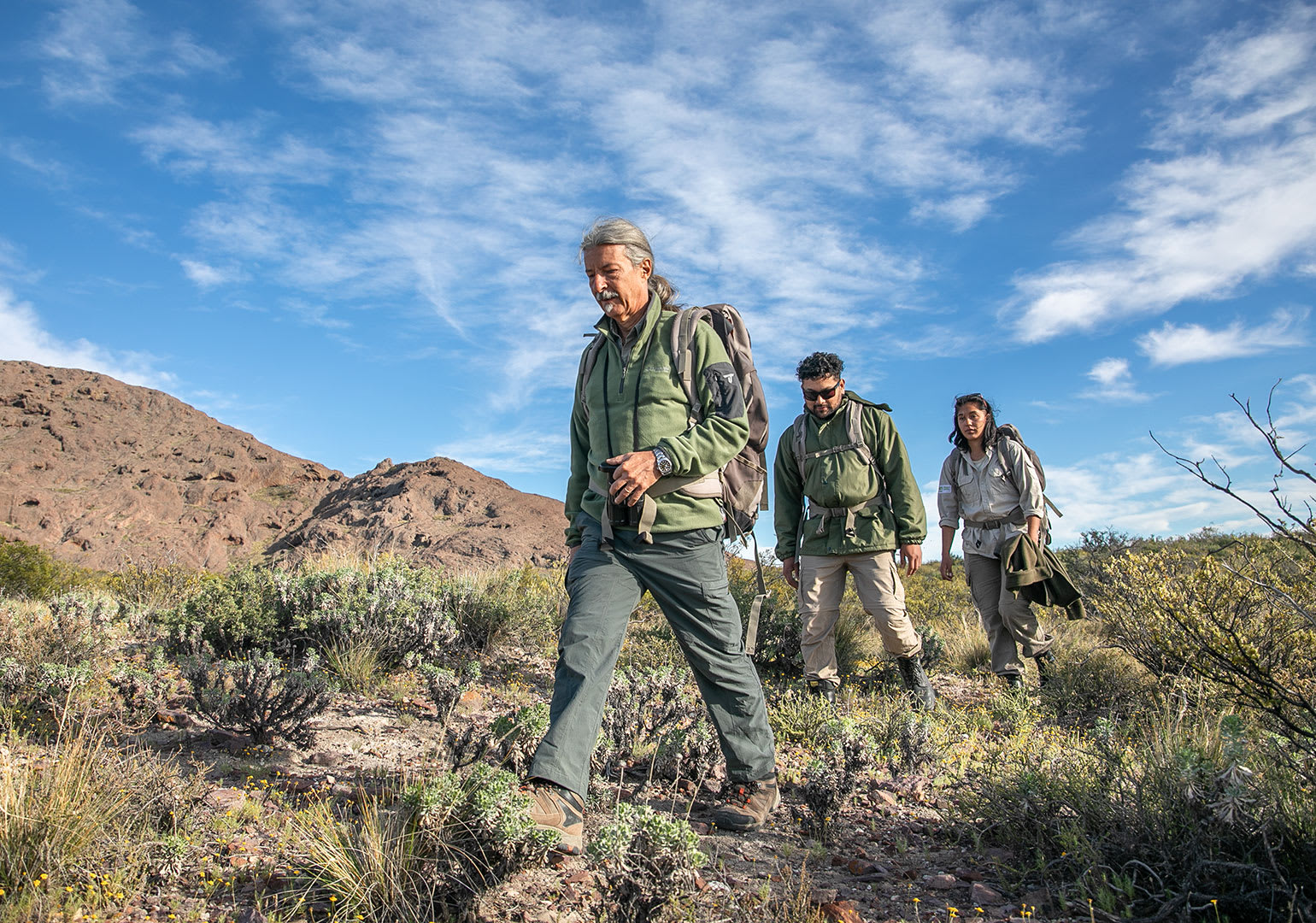
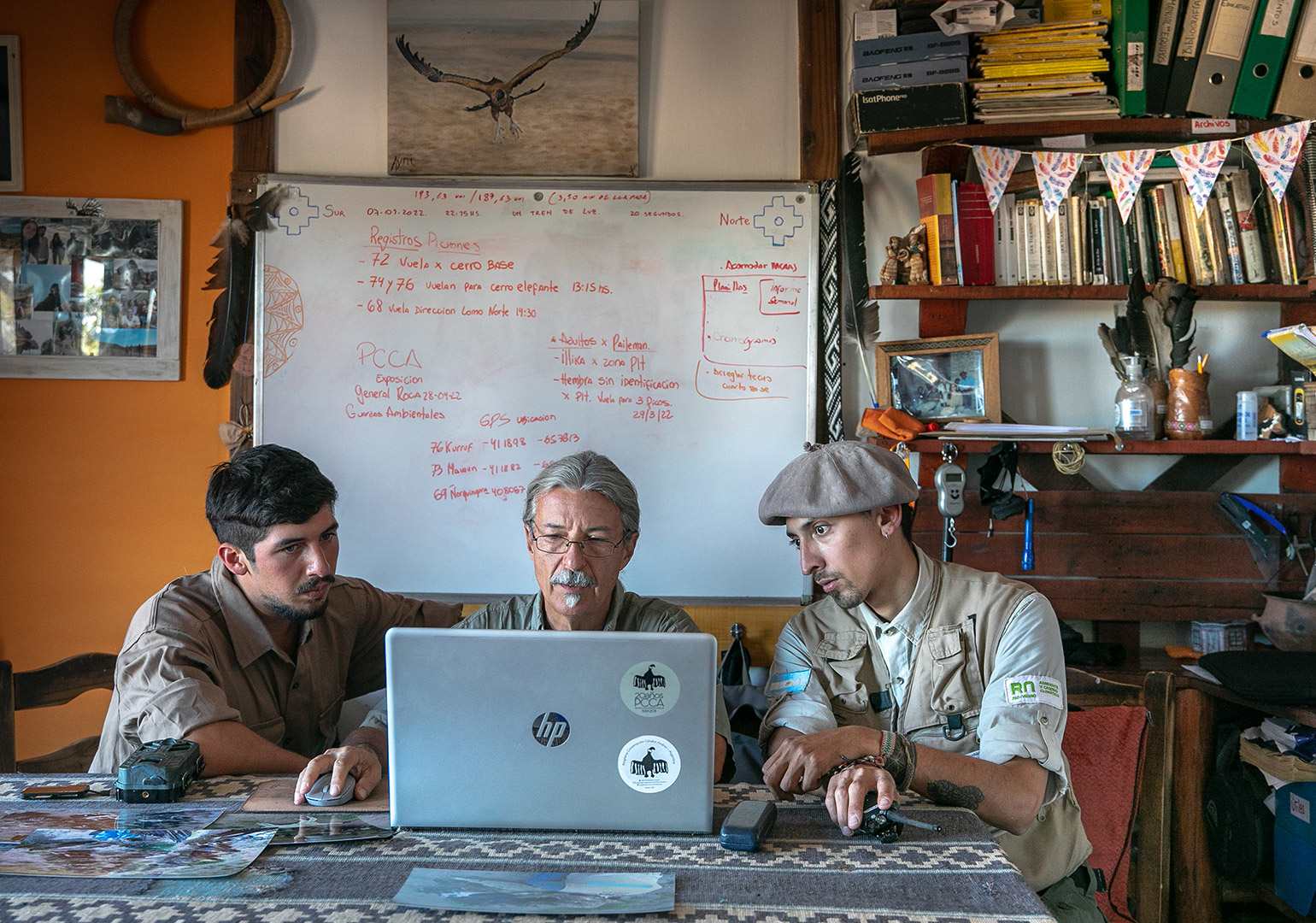
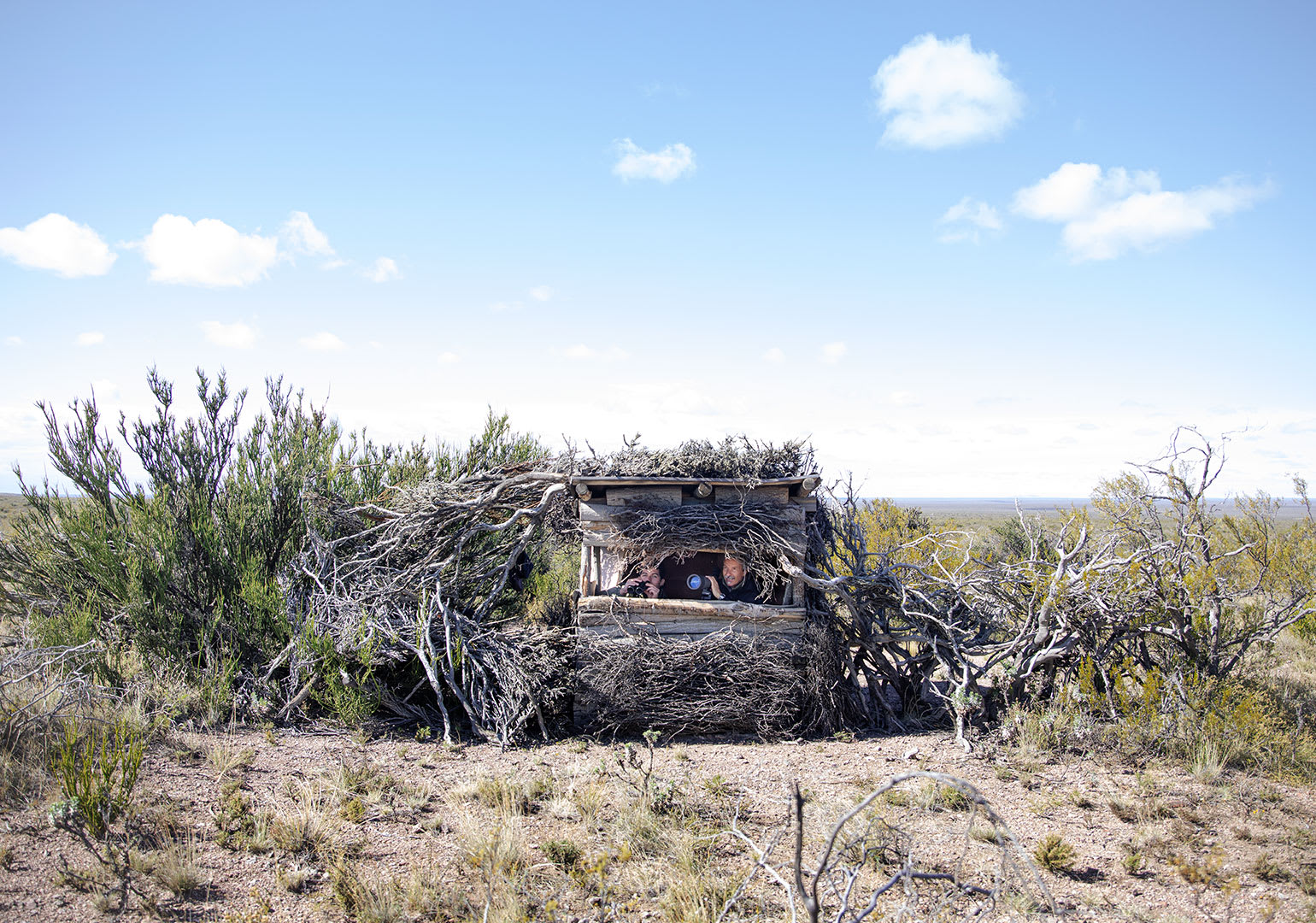
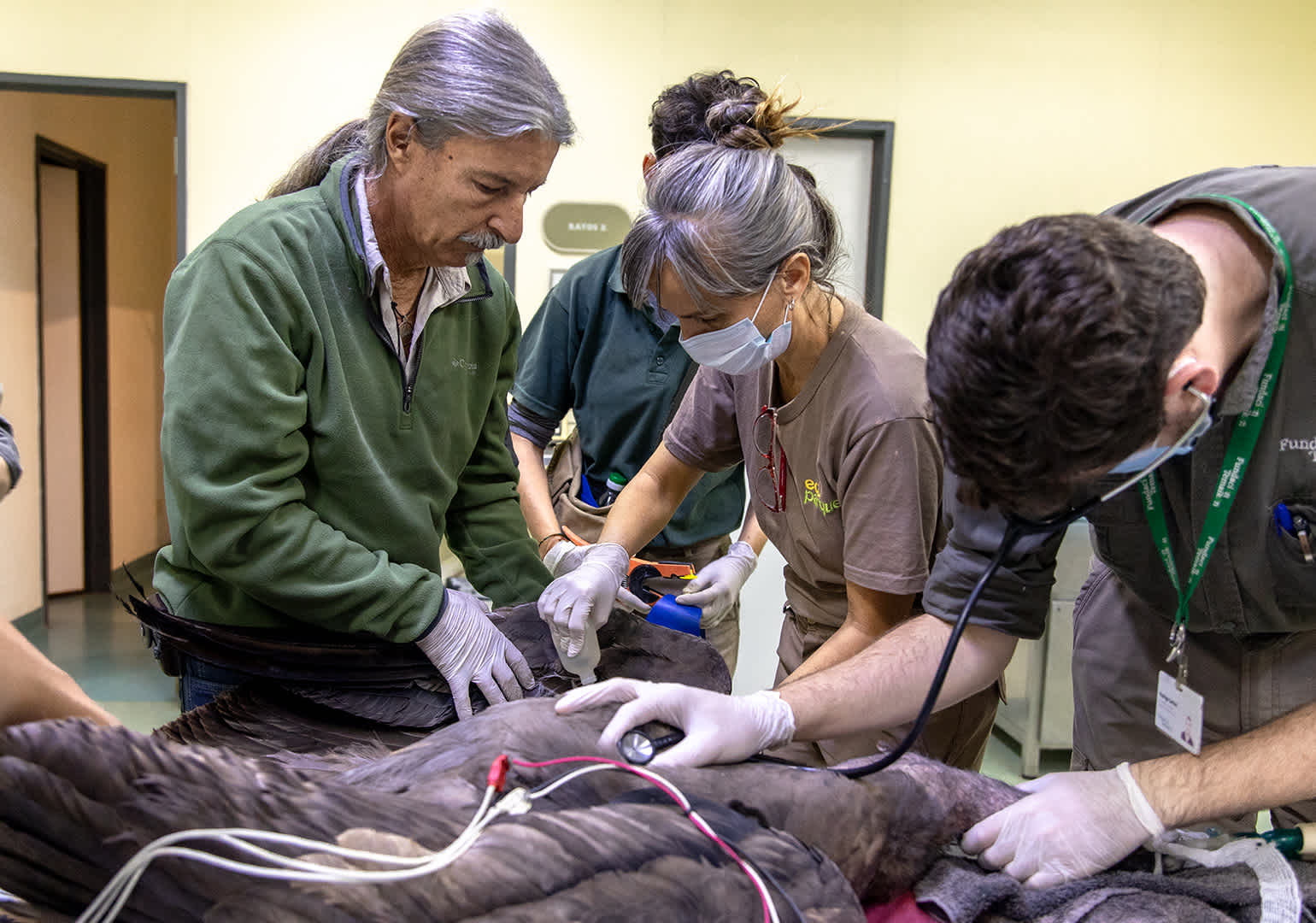

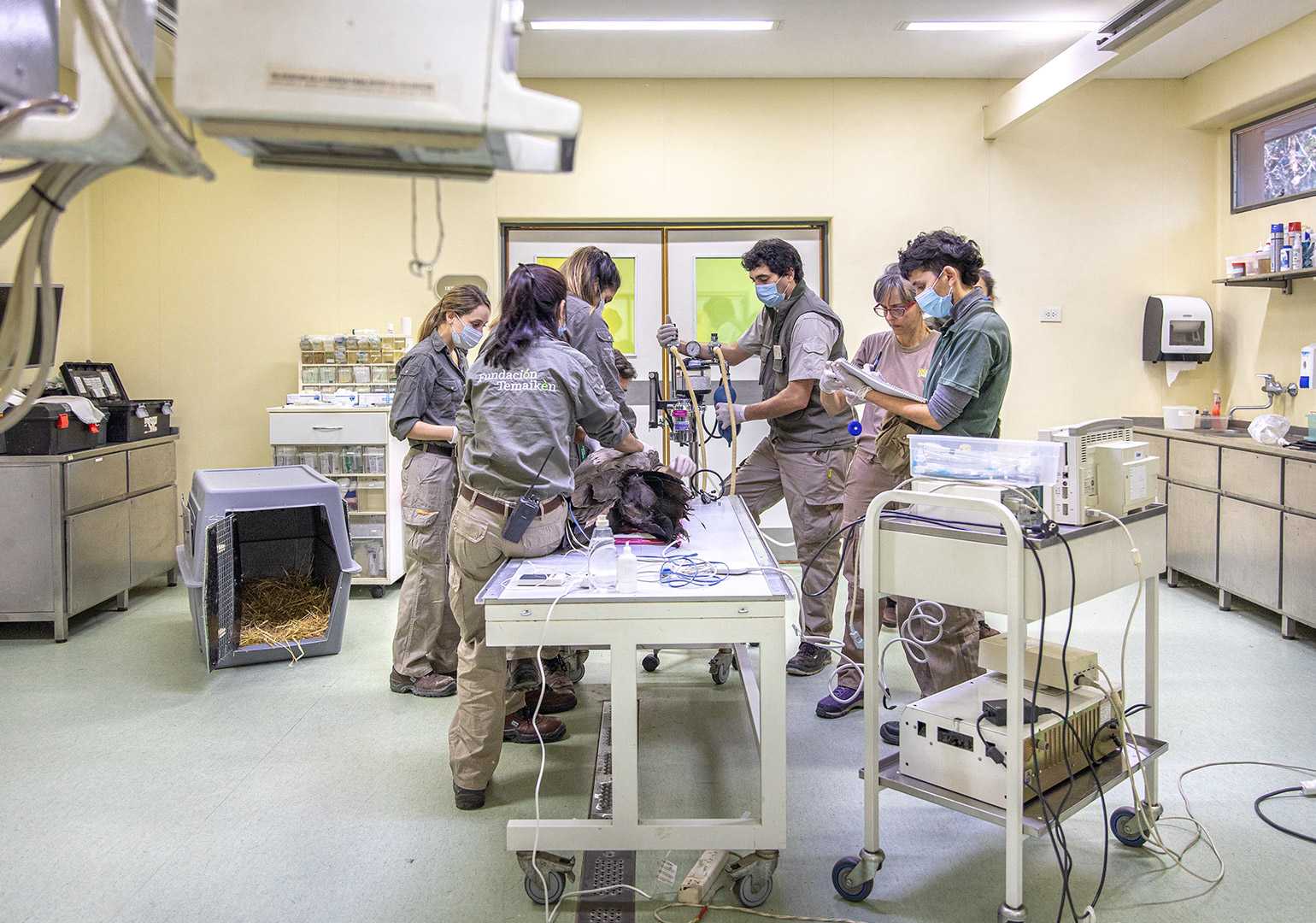
Jácome is grateful that the Rolex Award for Enterprise he received more than a quarter of a century ago also enabled the purchase of much-needed equipment. “It allowed us to buy devices that we didn’t have, such as binocular equipment, good optics, monoculars, tripods, radios and GPS.” Furthermore, the Rolex Award “gave our programme the prestige that what we are doing is worthwhile”.

The Andean condor has for centuries had profound social significance, used in flags, crests and other imagery in Argentina, Bolivia, Chile, Colombia, Ecuador and Peru. Through his project to protect this key symbol of Andean culture, Jácome is contributing to Rolex’s Perpetual Planet initiative to protect the Earth and all its life forms.