
The ultimate aim of the project is to achieve protection for the Caprera Canyon, enabling conservation of the many species that use it as a feeding ground.

Published in
Through its Perpetual Planet Initiative, Rolex supports One Ocean Foundation which surveys whales and other animals that thrive in the waters of the Mediterranean’s Caprera Canyon in order to better protect them.
Every month, One Ocean Foundation marine biologist Ginevra Boldrocchi heads out into the Mediterranean. There, she regularly sees sperm whales, the planet’s largest living predators, and fin whales – the second-longest animal on Earth after the blue whale – among others. Extraordinarily, recently there have even been sightings of endangered Mediterranean monk seals.
This oasis of biodiversity is the Caprera Canyon, an underwater valley that lies between Sardinia’s east coast and the west coast of Italy’s mainland. While the canyon itself is invisible at the surface, the ecosystem it supports is spectacular, though not immune from human impacts.

Boldrocchi works with One Ocean Foundation to learn more about the canyon’s animals and the threats they face. With the support of Rolex’s Perpetual Planet Initiative, the foundation aims to secure protection for the region and its wildlife.
Submarine canyons like Caprera are crucial to ocean ecosystems. Deep currents flowing over the canyon walls force nutrient-rich water from the seabed up toward the surface. These nutrients support an ecosystem that would otherwise not exist. They enable photosynthetic algae and plankton to grow, which in turn attracts animals that feed on the plankton. As a result, submarine canyons are associated with “very high biodiversity”, says Boldrocchi, who is conducting her research at the University of Insubria in Como, Italy.

The work carried out by One Ocean Foundation complements regular boat surveys that have been carried out in the region since 2011. They travel along straight lines called transects and watch for cetaceans like whales and dolphins. More than a decade’s worth of data points to it being home to a host of rare species. “We have seven of the eight species of cetaceans that normally we see in the Mediterranean Sea,” she says. “You can find all of them in a relatively small area.”
These collective efforts were boosted following the launch of One Ocean Foundation in 2018. It has a mission of “accelerating solutions to ocean issues” and is involved in promoting a sustainable blue economy, educational activities and environmental research. Boldrocchi coordinates all of the foundation’s scientific research efforts.
We have seven of the eight species of cetacean that normally we see in the Mediterranean Sea. You can find all of them in a relatively small area.

The ultimate aim of the project is to achieve protection for the Caprera Canyon, enabling conservation of the many species that use it as a feeding ground. One solution would be for the Marine Mammal Protected Areas Task Force – an international body created by the International Union for the Conservation of Nature (IUCN) and other institutions – to designate it as an Important Marine Mammal Area (IMMA). These IMMAs are often included in new Marine Protected Areas (MPAs), where activities such as fishing are strictly controlled or are not permitted.
However, to achieve this, it is necessary to find out a lot more about the canyon’s ecosystem.
The ultimate aim of the project is to achieve protection for the Caprera Canyon, enabling conservation of the many species that use it as a feeding ground.

There are a number of threats to the ecosystem that the One Ocean Foundation team hopes to understand more clearly. Being so close to Sardinia, the Caprera Canyon is within range of fishing boats and the cetaceans can get caught as by-catch. Large boats such as ferries also sometimes collide with the animals, injuring them. Another threat is the high level of chemical pollutants in the Mediterranean.

The challenge is to understand exactly what species are using the canyon and how. For instance, if the animals mostly use the region at certain times of the year, it might be viable to limit fishing activity solely during those months. To build a clearer picture, the foundation has been visiting every month for the last year and a half, complementing visual surveys with hydrophones and environmental DNA (eDNA) techniques.

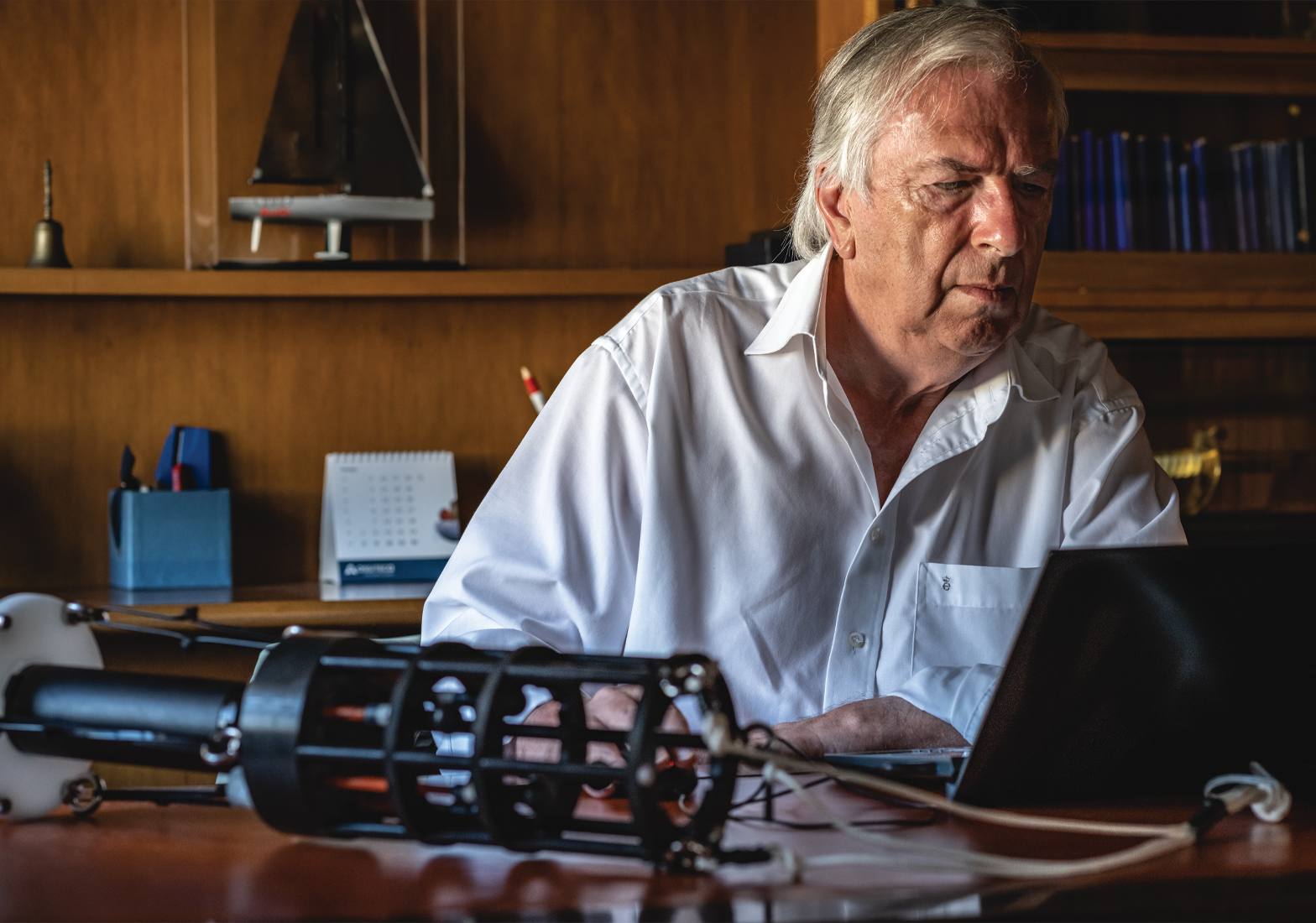
Hydrophones are underwater microphones that can record sounds like whale vocalizations. Multiple hydrophones are lowered into the water and pointed in different directions. Not only can they determine the species but also the number of individuals and their approximate positions. The team is also experimenting with 3D acoustic sensors placed in three strategic points to monitor the presence of the various species. Moored some 200 m above the seabed, these probes record continuously for three months at a time in order to extend research on cetaceans to the deep waters of the canyon.
Audio recording is crucial because many cetaceans dive for long periods of time. Boldrocchi recalls one occasion when there was nothing to see at the surface, “not even a seabird”. But the hydrophones had picked up sperm whales tens of metres below the surface.

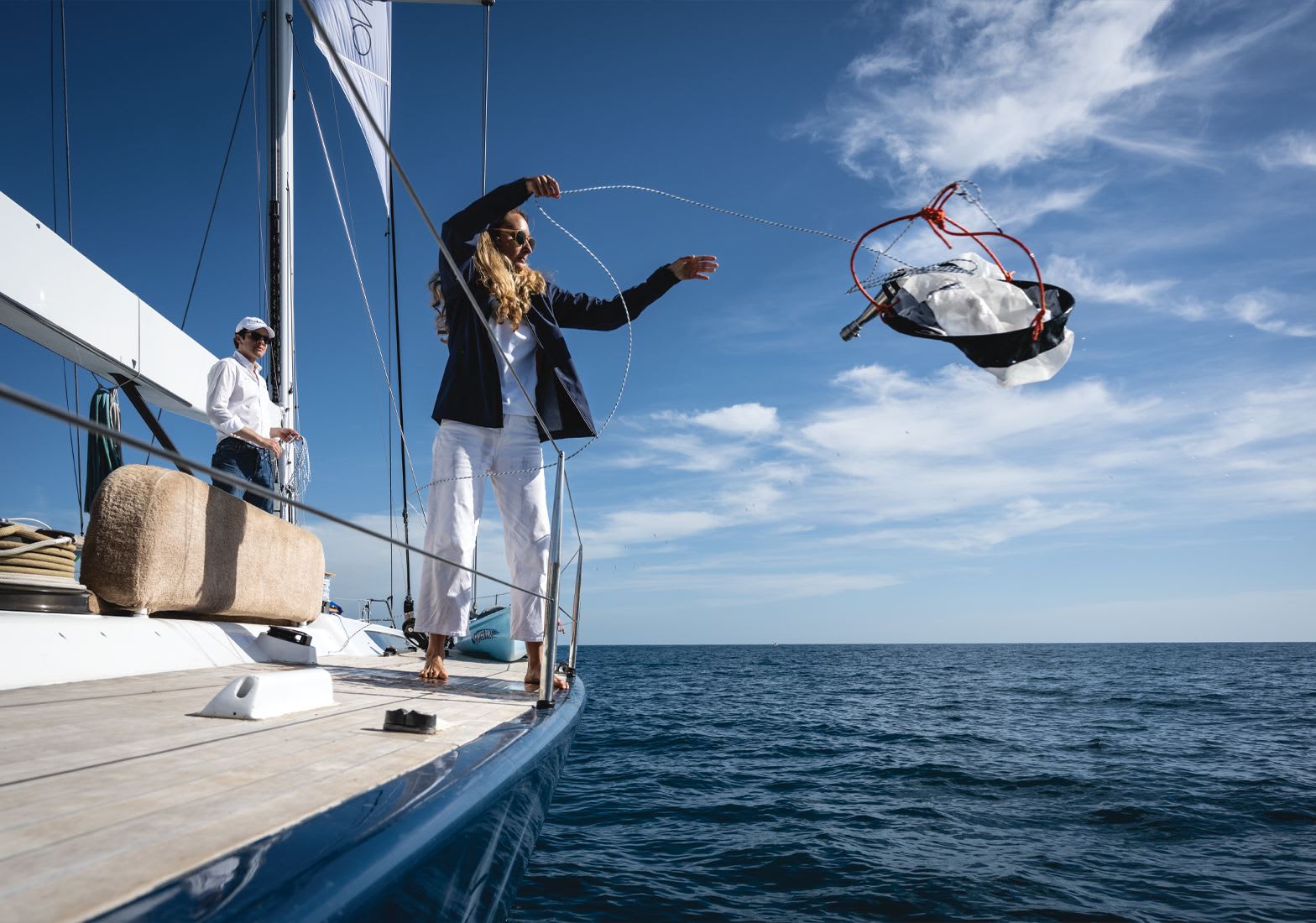
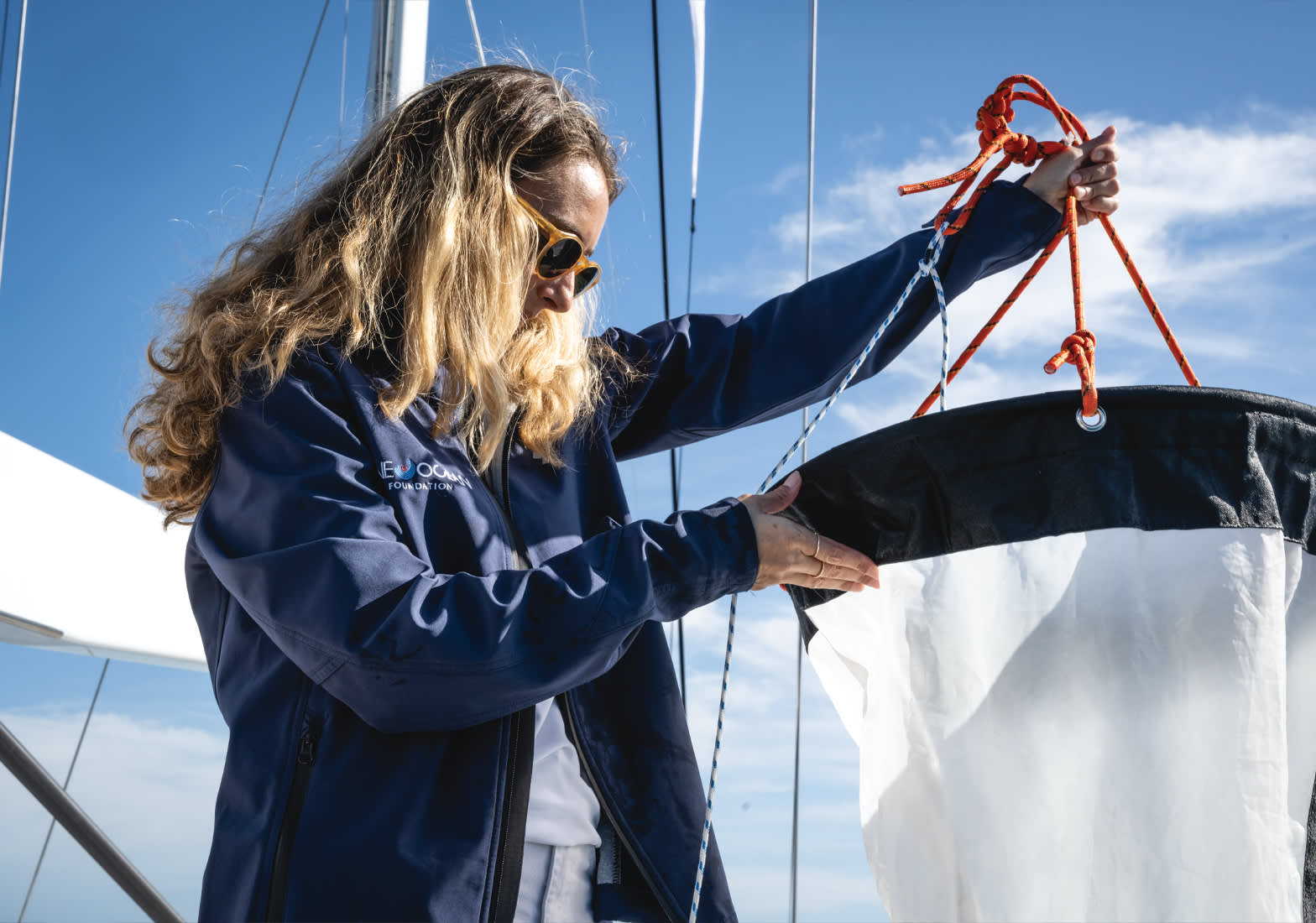
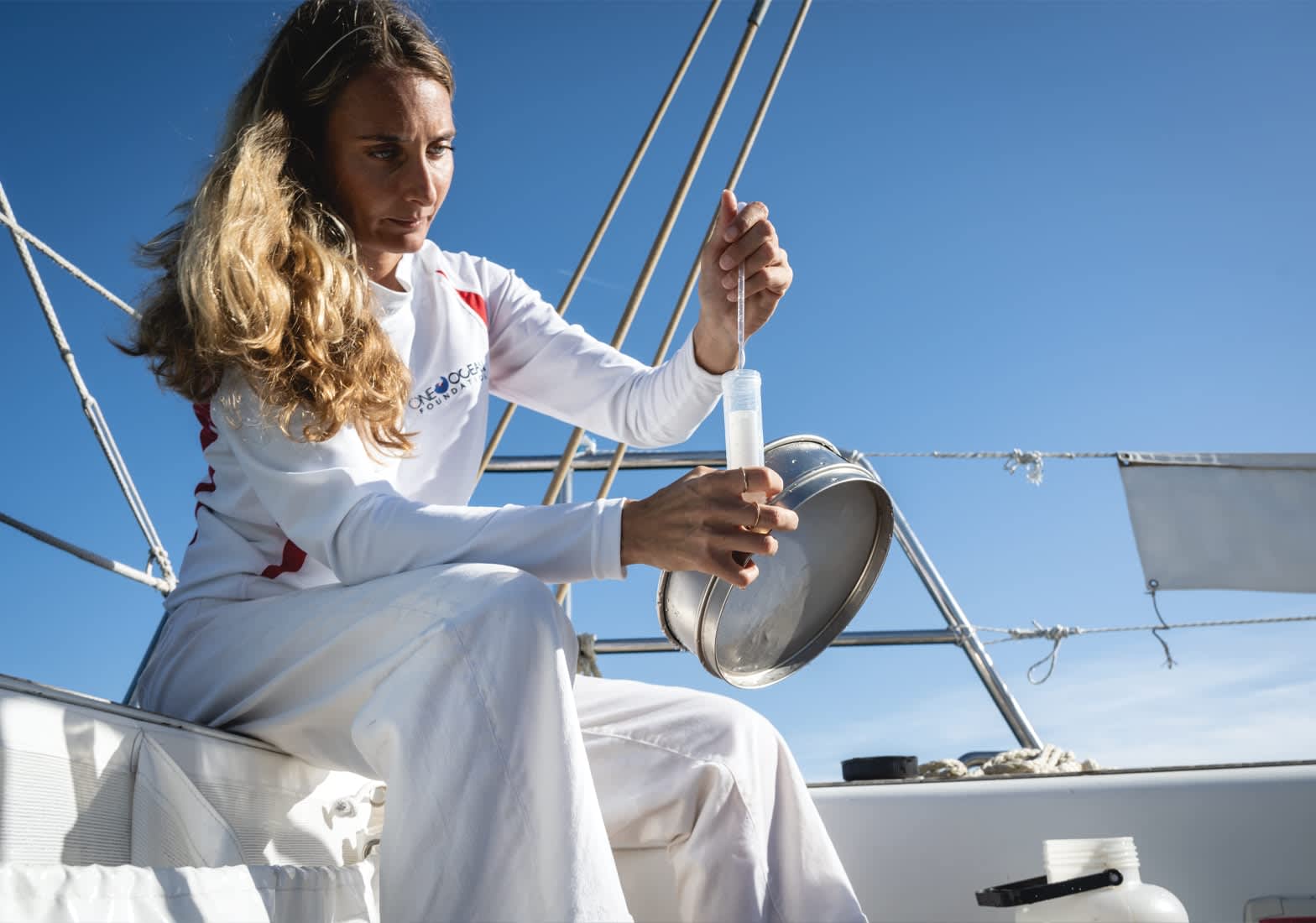
Meanwhile, eDNA enables the team to detect animals that have been in the area recently, even if they have since left. That is because animals leave behind traces of their DNA in the water, for instance from dead skin cells. Depending on the conditions, the eDNA can last hours or even days. The team takes samples of seawater and runs tests to see what DNA is present. The use of eDNA has turned up traces of the Cuvier’s beaked whale, a species considered data deficient by the IUCN in the Mediterranean, and which is hard to detect visually as it is a deep diver.
Conservation research can make a real difference to biodiversity, Boldrocchi explains. Mediterranean monk seals were close to extinction a few years ago, but their populations are growing thanks to efforts carried out across the Mediterranean. “We are seeing the monk seal in the south of Italy many times,” she says of the marine mammal whose DNA has been found in the Caprera Canyon. According to Boldrocchi, in a few decades, people who swim in the Mediterranean may regularly see monk seals. “It is crazy to think, but if we keep going like this, it [the monk seal] is going to be back.”
The support provided by Rolex, through the Perpetual Planet Initiative launched in 2019, is crucial to this One Ocean Foundation project of carrying out extensive research in the Caprera Canyon. For nearly 100 years, the brand has supported pioneering explorers pushing back the boundaries of human endeavour and, in the 21st century, has moved from championing exploration for the sake of discovery to protecting the planet.