Shortcuts

Restoring the gardens of the oceans
Coral Gardeners
Published in
Led by local ocean advocate Titouan Bernicot, the team at Coral Gardeners is supported by the Rolex Perpetual Planet Initiative to inspire a global community of reef defenders and safeguard coral ecosystems around the world.

All episodes
Episode 1 – 2023
The ocean kids
Episode 2 – 2023
Learning by doing
Episode 3 – 2023
Foundation for the future


A source of life
In the crystal waters of Mo’orea island in French Polynesia, a group of divers is hard at work. First they move carefully over a damaged coral reef, identifying bare patches where corals once lived. They then bring out new corals that have been grown in a nursery nearby and “glue” them to the rock using marine cement. Piece by piece, the divers rebuild the reef.
They are part of the Coral Gardeners organization whose members work from sunrise to sunset to restore coral reefs. Their passion and ambition have garnered international support, including from Rolex. For nearly a century, the brand has supported extraordinary endeavours. Its Perpetual Planet Initiative focuses on projects that strive to find solutions to today’s environmental challenges – as Coral Gardeners are doing.

This project is the brainchild of Titouan Bernicot. He began his life on a tiny atoll called Ahe in French Polynesia – an island so small it is not visible on most maps – where his parents cultivated Tahitian pearls. He spent his early childhood swimming on the reef alongside sharks.
When he turned three, his family moved to Mo’orea. This island is larger than Ahe, with an area of 134 square kilometres and a population of more than 16,000 inhabitants.
The ocean remained at the centre of his world as he learned to spearfish and free dive. Aged 16, Bernicot had an experience that changed his life when, while surfing with friends, he noticed ghostly white corals beneath him. He had never seen such white corals before.

He learned the corals had been “bleached”. Each individual coral is a tiny animal just a few millimetres wide and gets many of its nutrients from the single-celled algae called zooxanthellae that live inside it. The algae absorb carbon dioxide and water, and convert them into sugar, using energy from sunlight – much like green plants on land.
But when, for example, the water gets too warm, the zooxanthellae produce harmful chemicals leading the corals to expel them from their bodies. As a result, the corals lose their colour and appear bleached. While still alive, they are highly vulnerable to other stressors and many bleached corals do not survive. As greenhouse gas emissions warm the planet and oceans, bleaching events are becoming more frequent and widespread.

Bernicot realized that corals are pillars of the ocean ecosystem, supporting other organisms such as fish, as well as playing an essential role in the wellbeing and success of the people living on Mo’orea and other places like it. “Corals are the source of everything in my life,” he says.
With the tutelage of a marine biologist on Mo’orea, Bernicot learned how to collect and grow new healthy corals. Collected fragments can be grown in nurseries on underwater “tables” or “trees,” and then replanted on reefs. He began to passionately plant corals on the reef behind his house. Following a few months at a university in France, he decided to return to Mo’orea and dedicate his life to restoring coral reefs.
Corals are the source of everything in my life.

Turning the tide
Bernicot founded Coral Gardeners in 2017. His first recruit was childhood friend Taiano Teiho, who was struggling to find a job on the island. “After I learned that coral reefs are at the base of the [ocean food chain], I knew I needed to take care of them,” Teiho says. As their profile grew, the team worked with marine biologists to refine their methods.
Gardeners now regularly collect fragments of corals and grow them in nurseries for 12–18 months. “You learn how to be patient,” says Bernicot. The growing corals need a lot of care. The team must meticulously protect them from algal growth and run checks every three months to track their progress.
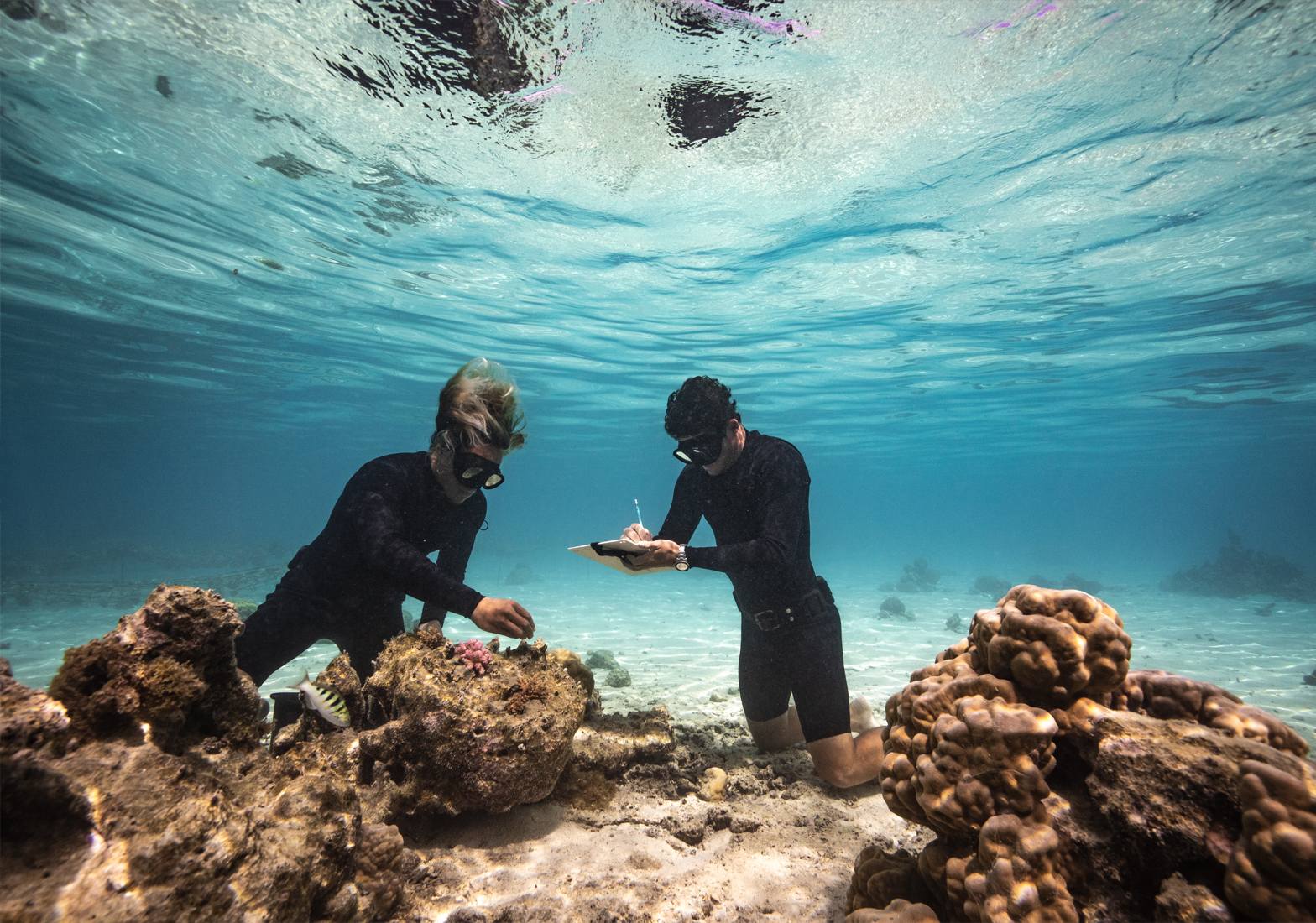
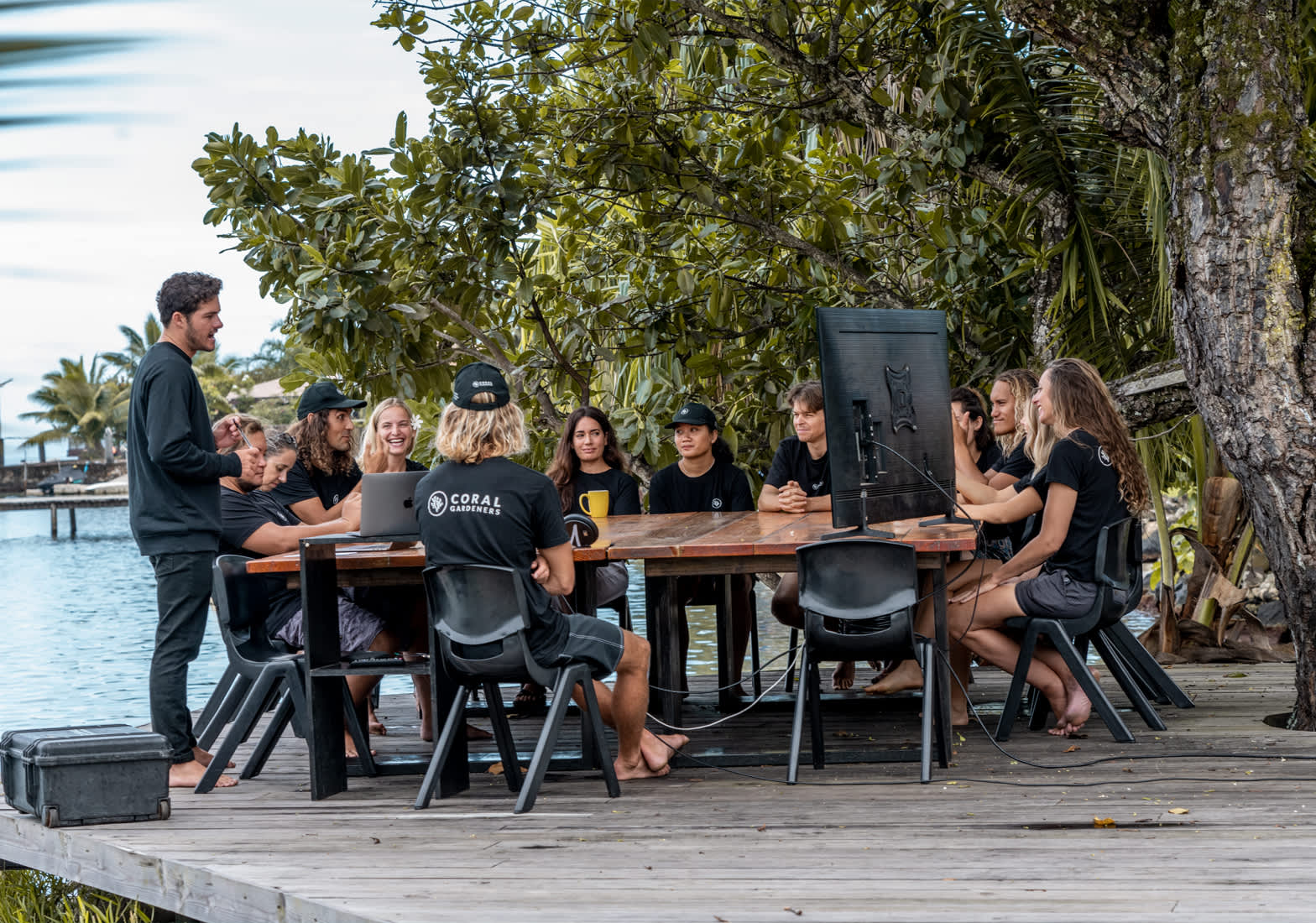
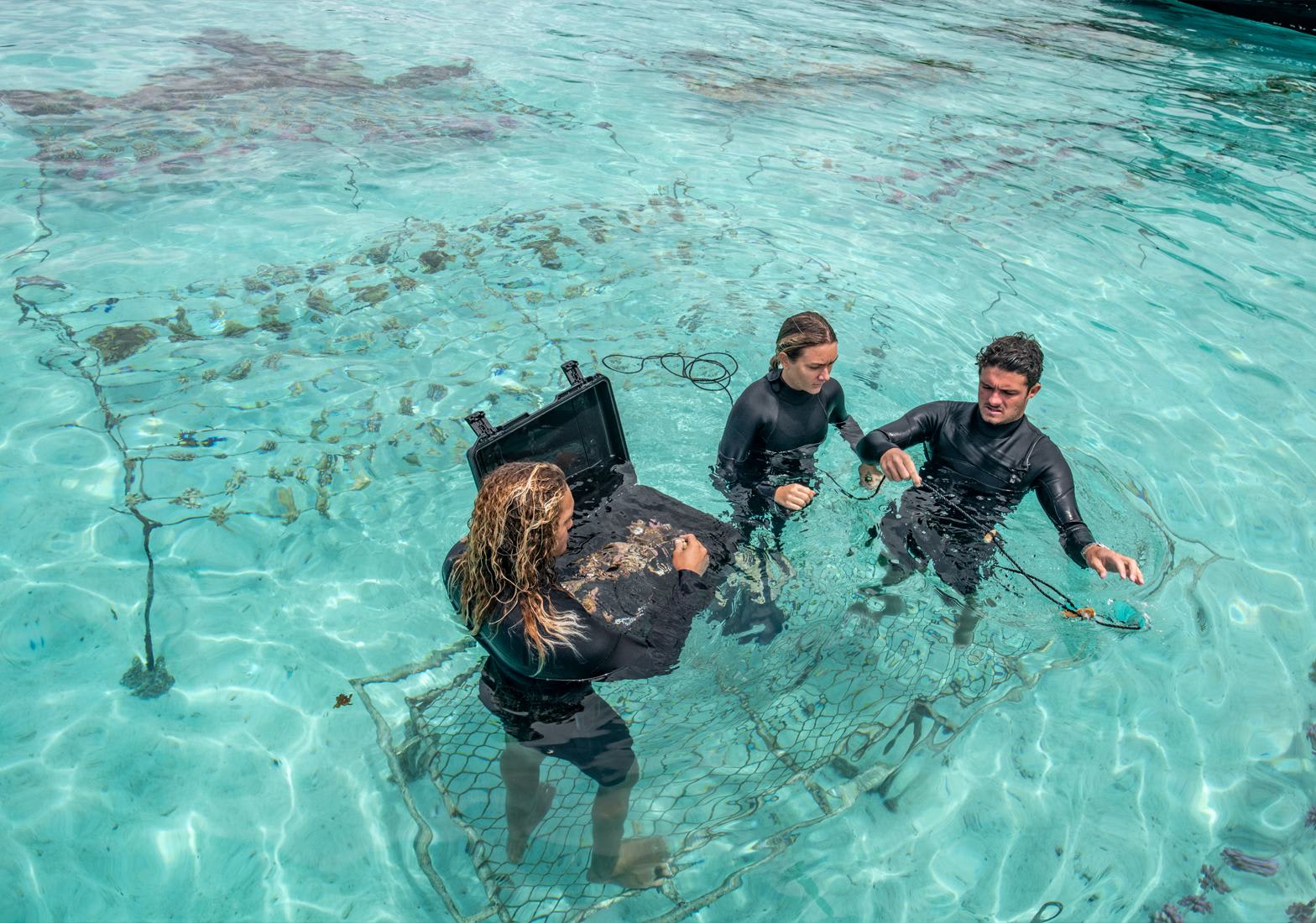
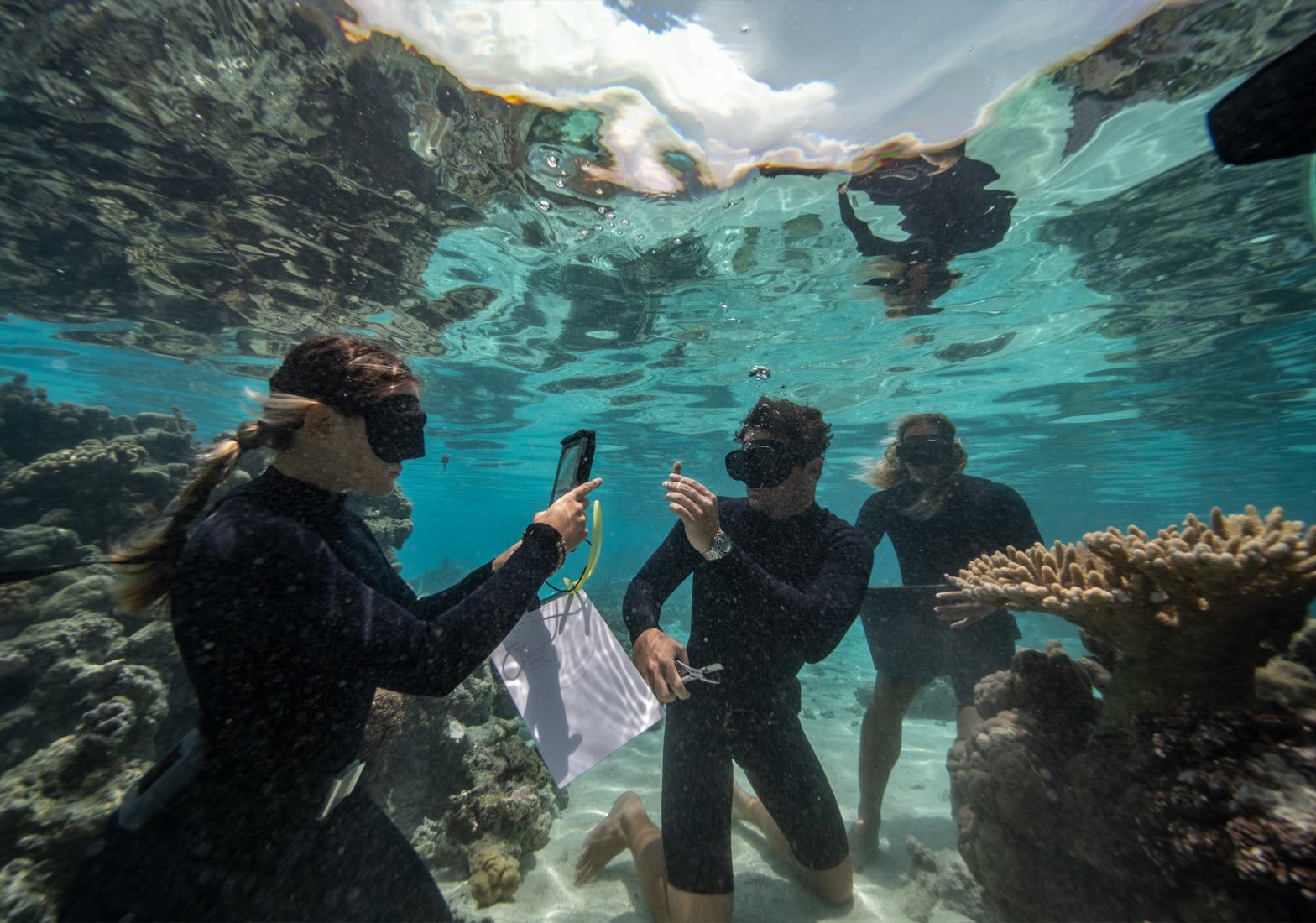
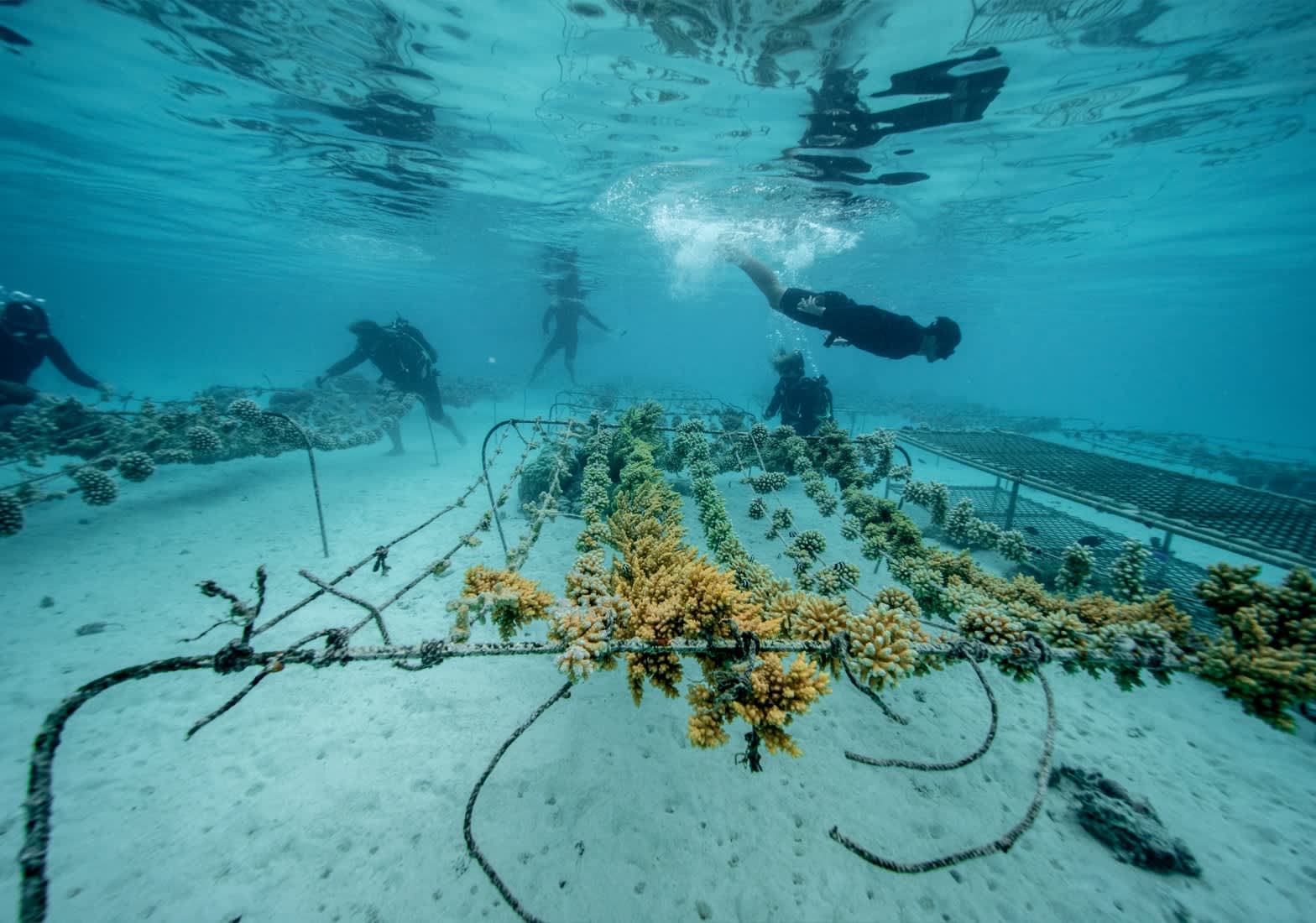
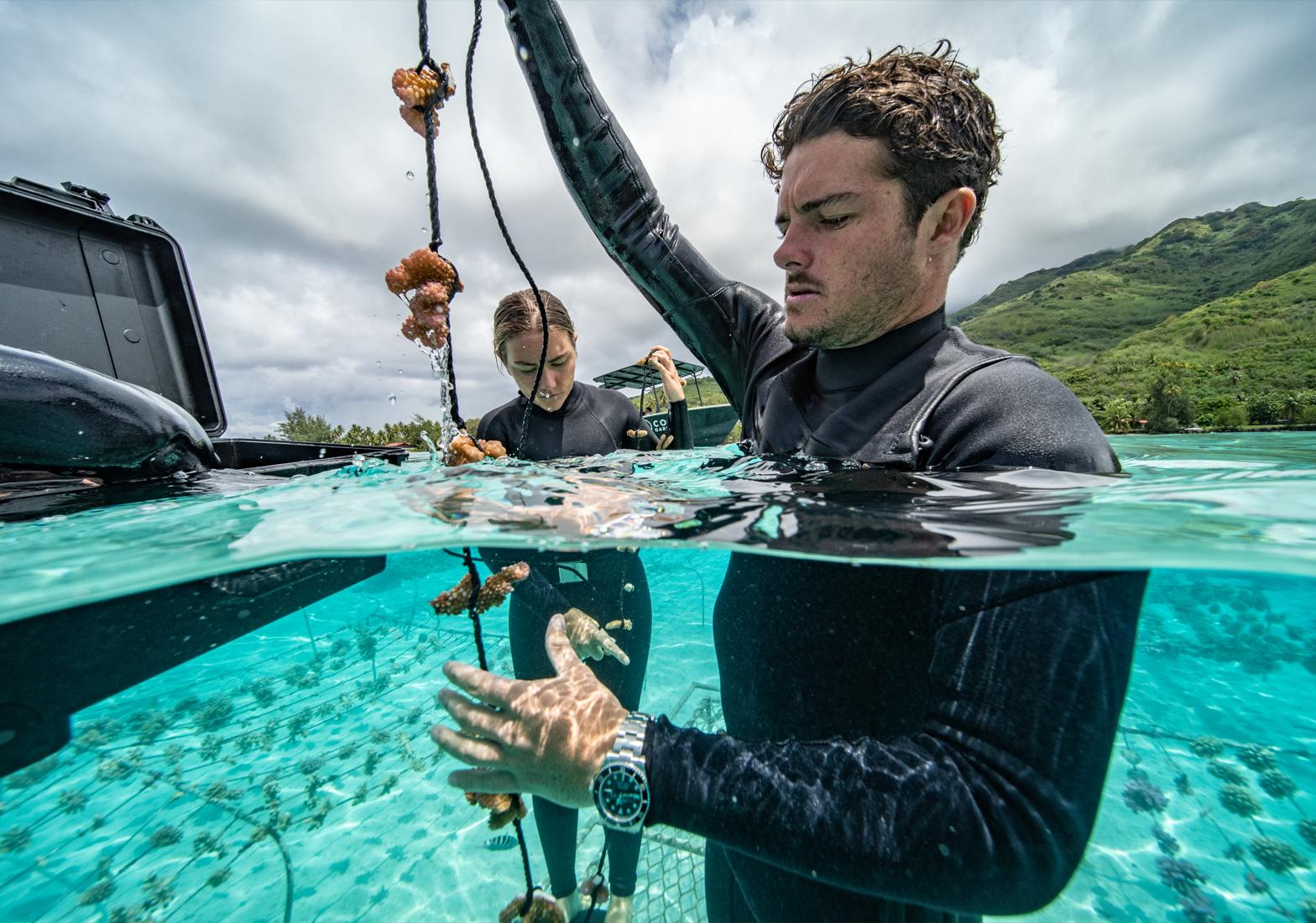
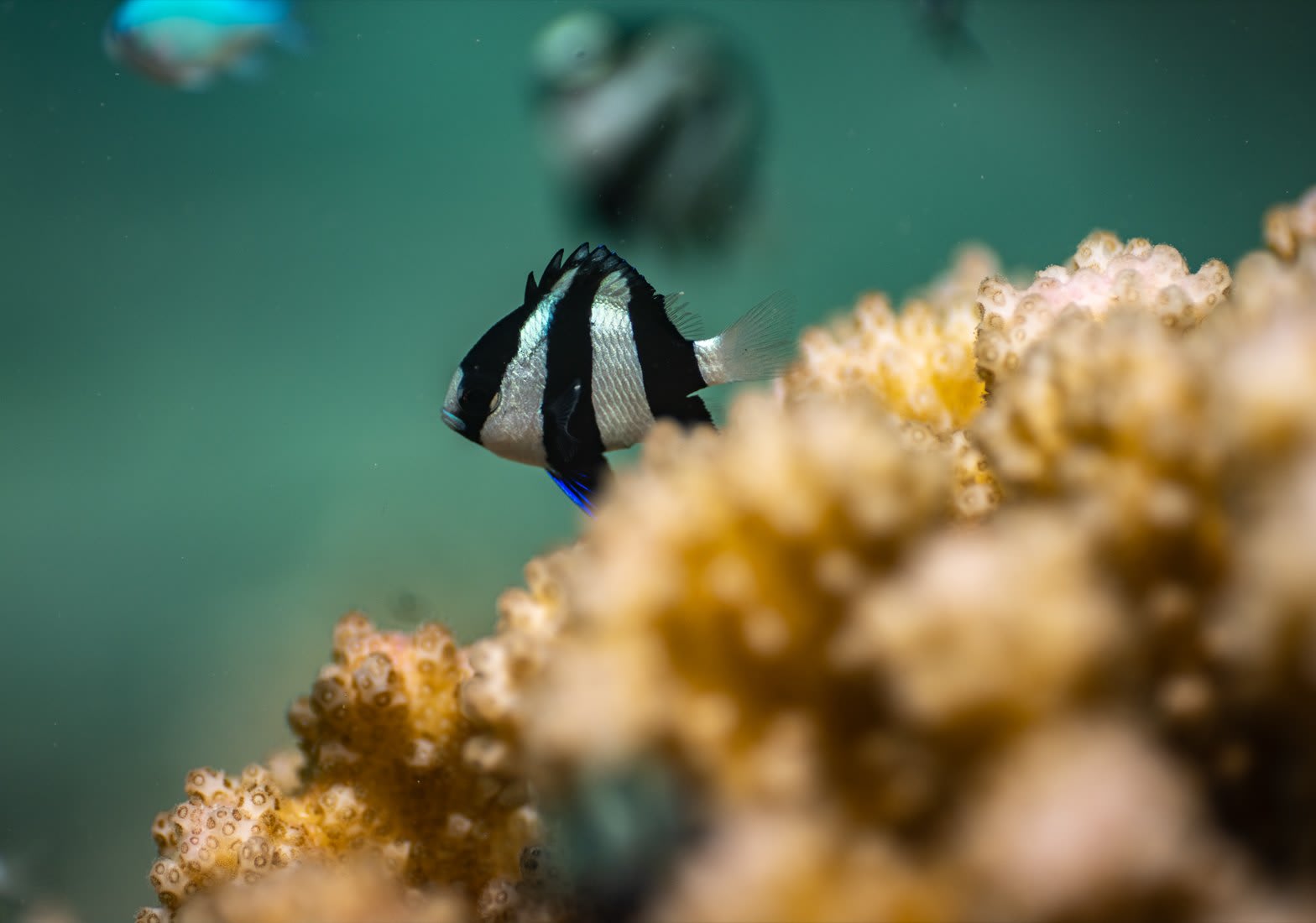
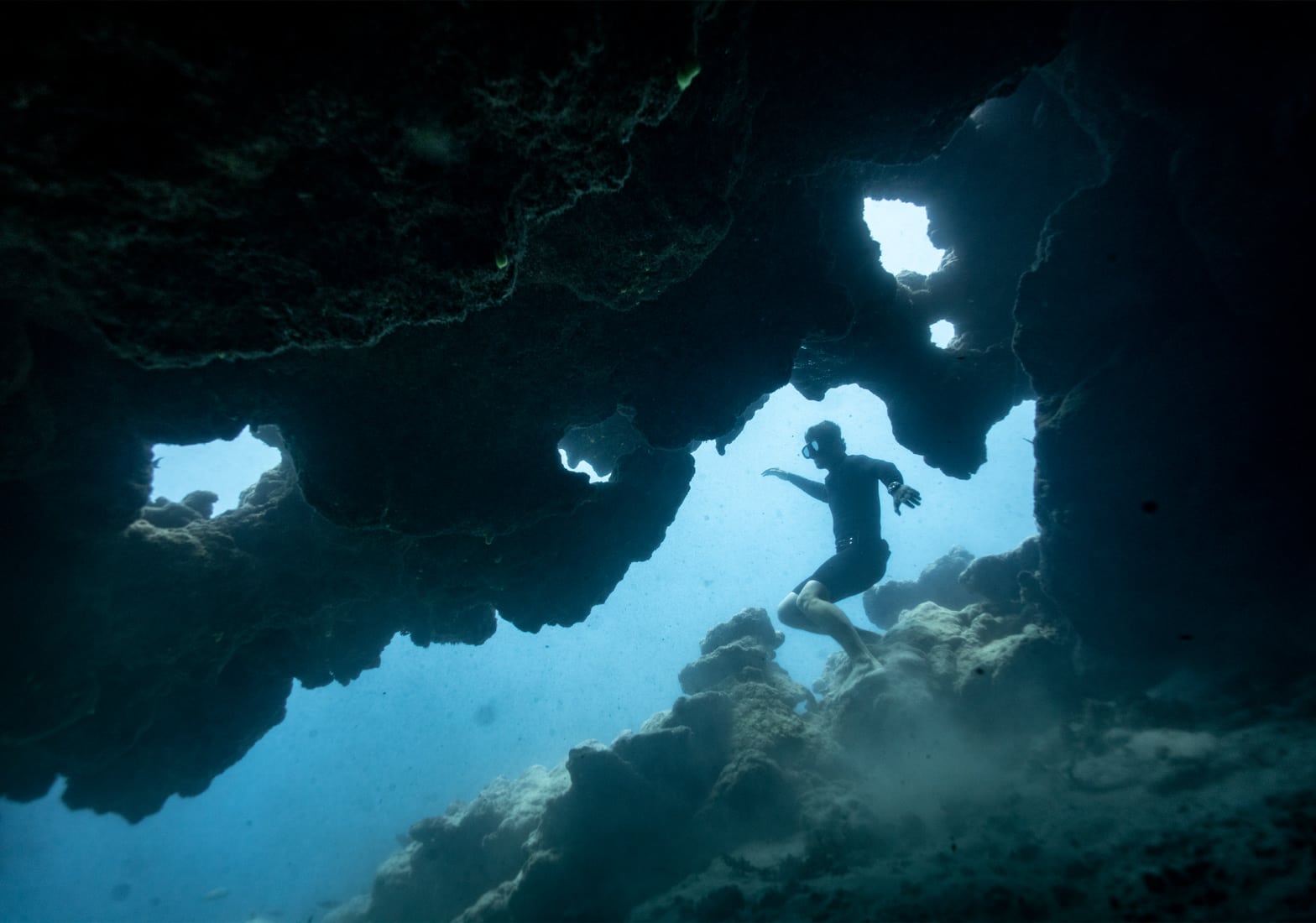
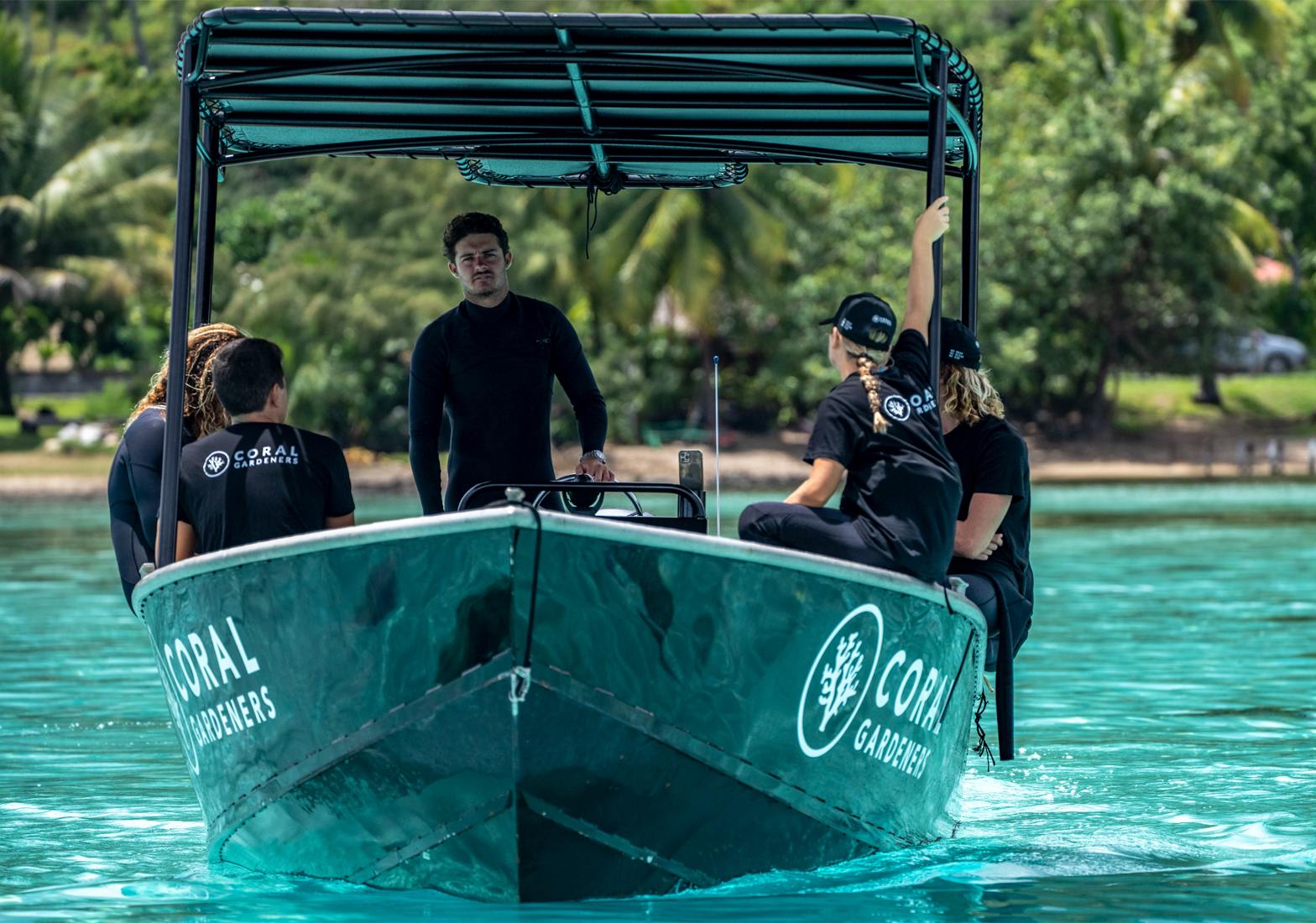

Coral Gardeners have about 10,000 corals growing underwater in six different nursery sites scattered across French Polynesia, and hire people from around the world to help tend them. As Bernicot puts it: “I never imagined that we would create a new job where we can be underwater, in our favourite playground, gardening corals and taking care of our reefs.”
The organization is also trying to be selective about the corals it grows. The aim is to pick those with the best chance of surviving in the altered conditions. That means finding older ones that have survived during warmer water episodes or in waters that have become more acidified due to dissolved carbon dioxide. When another bleaching event occurs, the team monitors the corals to see which do best.

I never imagined that we would create a new job where we can be underwater, in our favourite playground, gardening corals and taking care of our reefs.
With an eye to the future, Coral Gardeners established CG Labs to integrate innovative technology into their work, a philosophy of continual improvement that resonates with Rolex. They have developed the artificial intelligence platform ReefOS. It consists of an array of devices, from sensors to cameras collecting data such as fish population abundance, species biodiversity, coral growth and coverage, and water temperature.

The team’s ambitions extend beyond French Polynesia. Its social media accounts tell “the story of the reef” through stunning imagery and informative videos that have reached more than 200 million people in little more than five years. “Nothing would exist if we didn’t communicate well,” says Leo Thomas, art director of Coral Gardeners. All their communications aim “to make things look attractive and informative for every generation, but especially the young generation, because they really are the future”.
With Bernicot’s passion driving them onward, their momentum shows no sign of easing. In 2023, Coral Gardeners will establish a first nursery in Fiji, and he plans to open up many more international sites, including in Thailand, Puerto Rico and Indonesia. It is ambitious, but as Teiho says, Bernicot “has that light, that fire. It’s contagious.”