
I want to protect them [coral reefs] because they are unique products of an evolutionary process that took millions and millions of years. To me it is like art.

Published in
Explore and protect the Indian Ocean’s deep coral reefs
A hundred metres or more beneath the ocean surface in the Maldives lies a twilight zone whose wondrous corals and strange life remain unexplored. In pioneering diving expeditions, a leading expert in the study of fish, Luiz Rocha, plans to survey these deep reefs to find and describe new species and make the case for their protection.
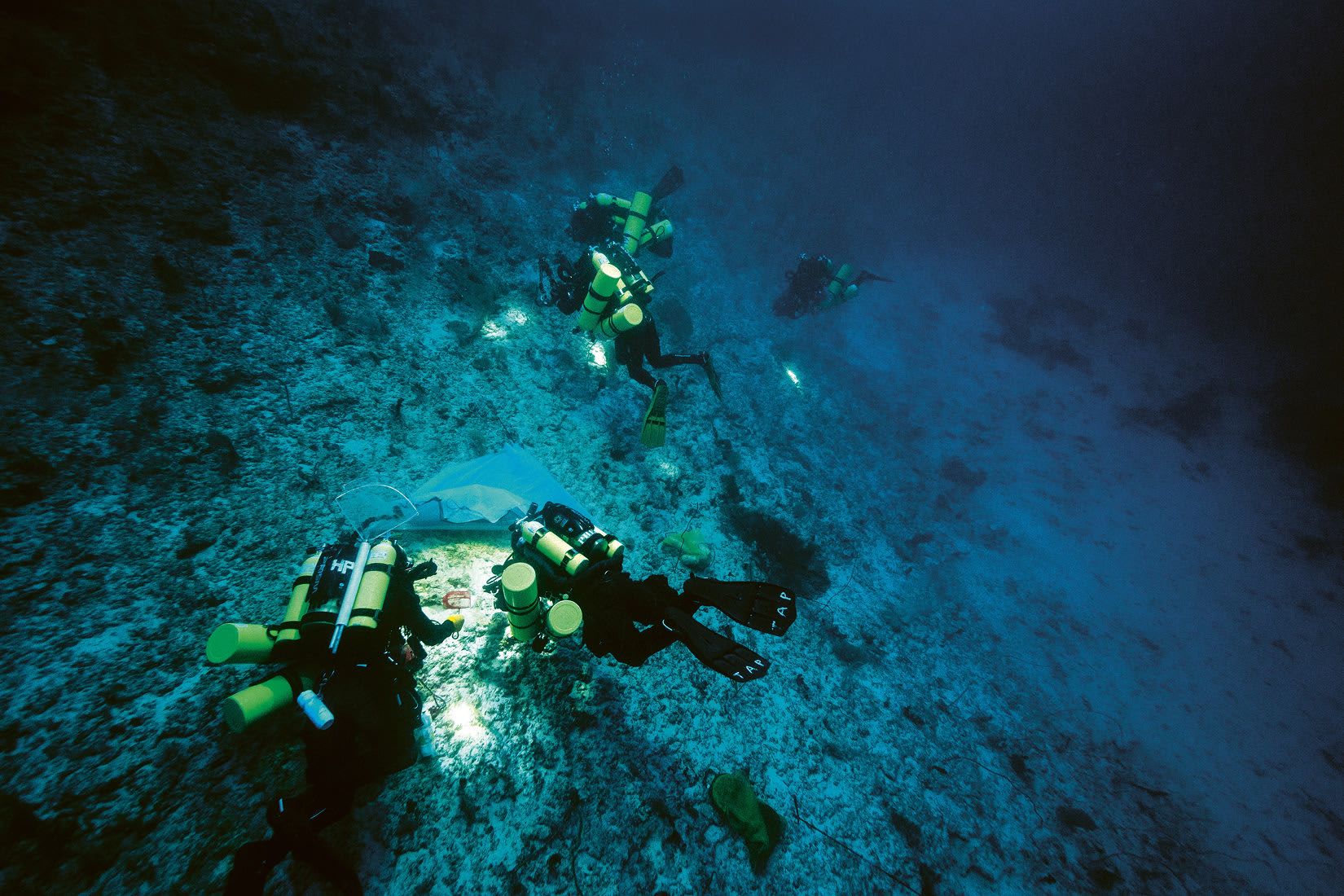
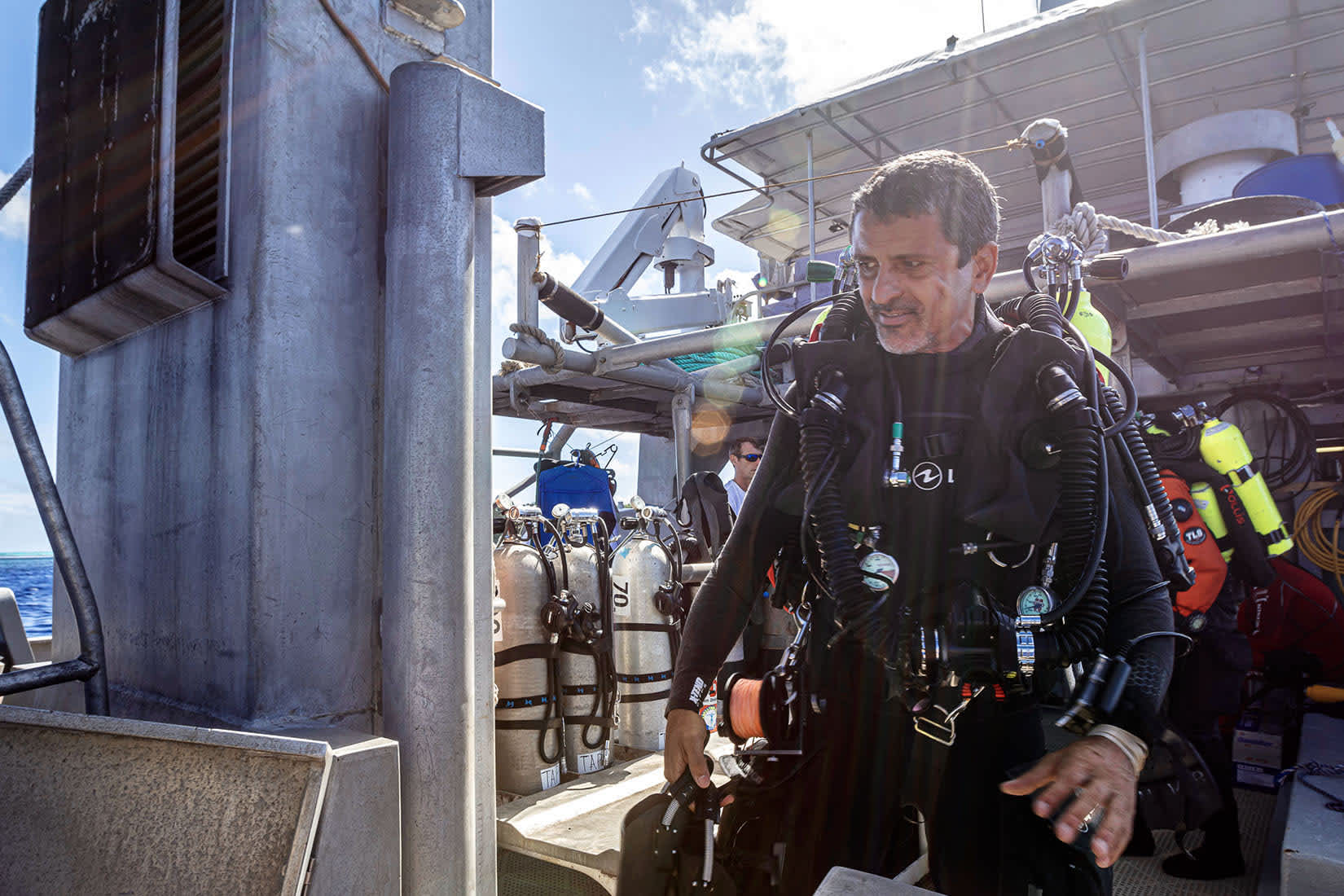
The sea has filled Luiz Rocha’s imagination from his earliest childhood in coastal Brazil and eventually drove him to master the highly technical diving required to reach depths 150 metres below the surface. In this crepuscular realm, unknown life thrives, including great forests of coral that provide both a nursery and pasturage for a host of unknown fish and other sea creatures.

In search of these deep, so-called mesophotic reefs, he is undertaking expeditions to explore the lower reaches of the atolls that comprise the Maldives in the Indian Ocean, a chain of islands long regarded as one of the last coral refuges on Earth. Unlike shallow reefs, little is known about mesophotic reefs worldwide – and nothing at all about reefs below 60 metres in the Indian Ocean – so Rocha is entering an environment unseen by humans.

I want to protect them [coral reefs] because they are unique products of an evolutionary process that took millions and millions of years. To me it is like art.
Like all modern exploration, plunging into the twilight zone is risky, technically and physically demanding, and requires a high degree of discipline, determination and skill. Rocha has cultivated these attributes by spending more than 6,000 hours underwater on more than 70 scientific expeditions worldwide, half of which he has led.

Globally, shallow coral reefs are dying from the stresses of climate change. With its national income dependent on coral tourism and fishing, the Maldives government is keen to learn how to protect this precious national asset and discover whether deep reefs can serve as a haven for surface corals and the sea life they sustain.

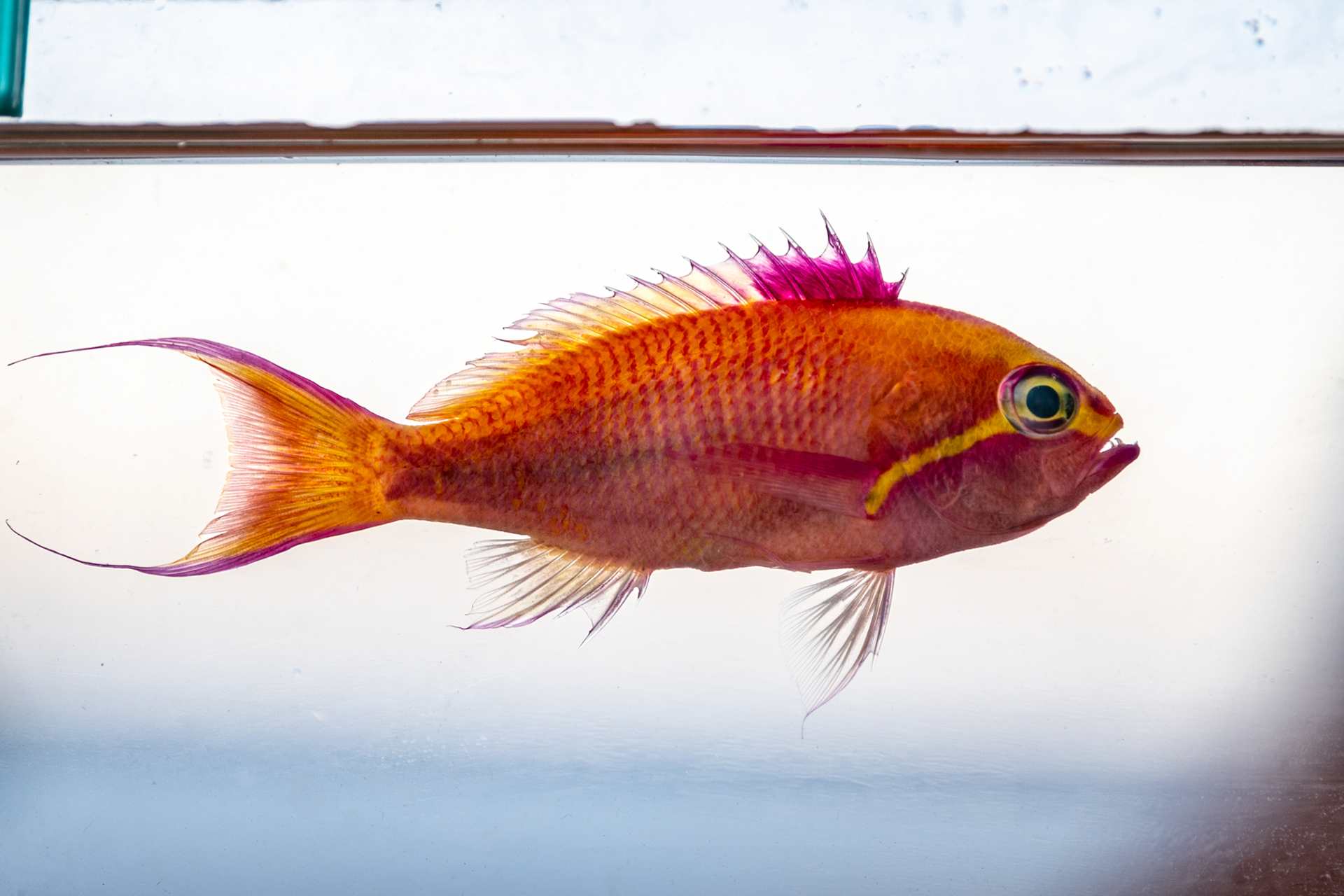
“Because we do not know anything about them, most of those deeper reefs are not protected. Even in places like the Maldives, most of their deep reefs are not protected because the government does not, for the most part, even know they are there,” Rocha says. He has already completed the first step in his Rolex Award-winning project, an underwater expedition in the Maldives’ Rasdhoo Atoll, during which he discovered eight new species of fish, more than he has discovered on any previous expedition.
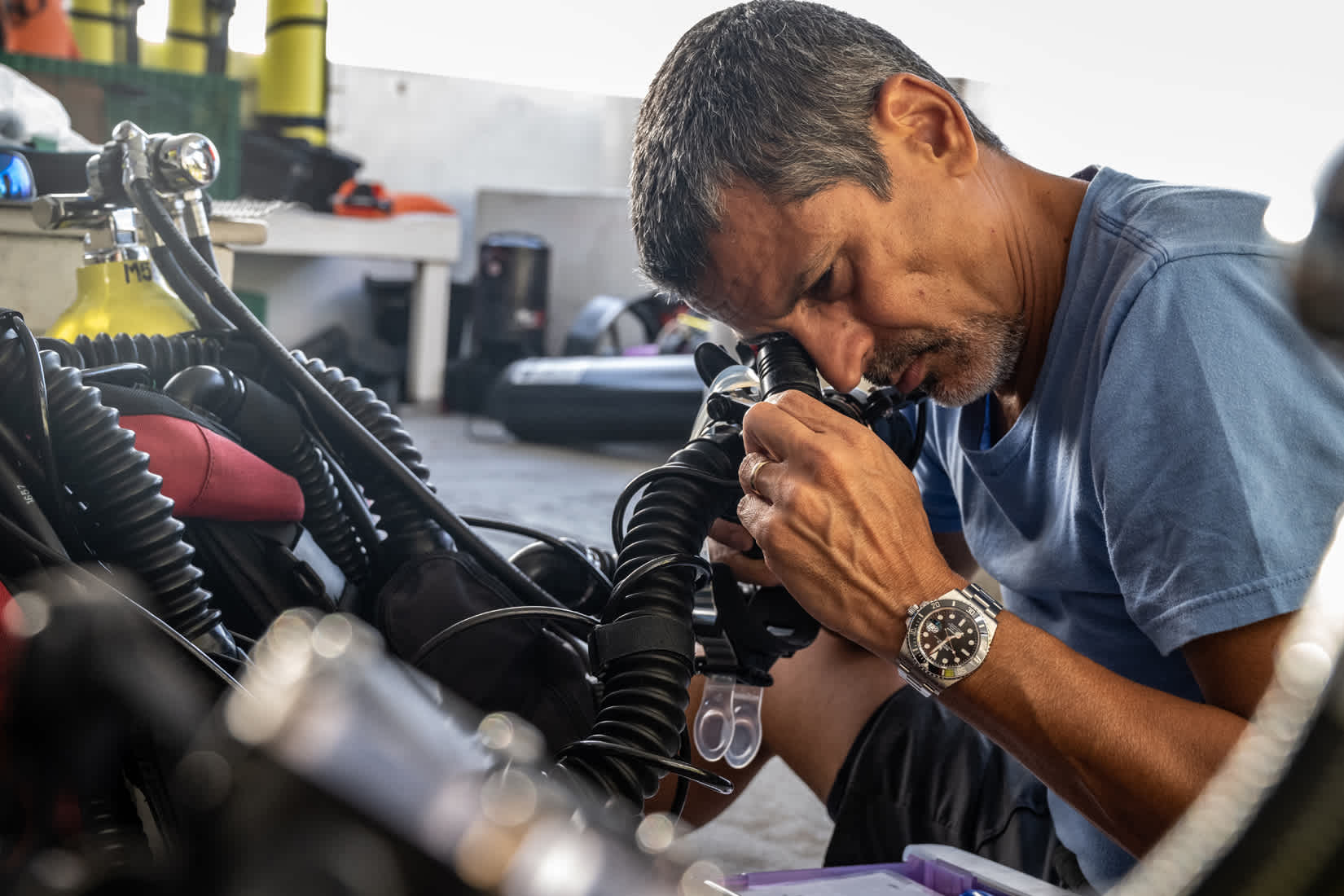
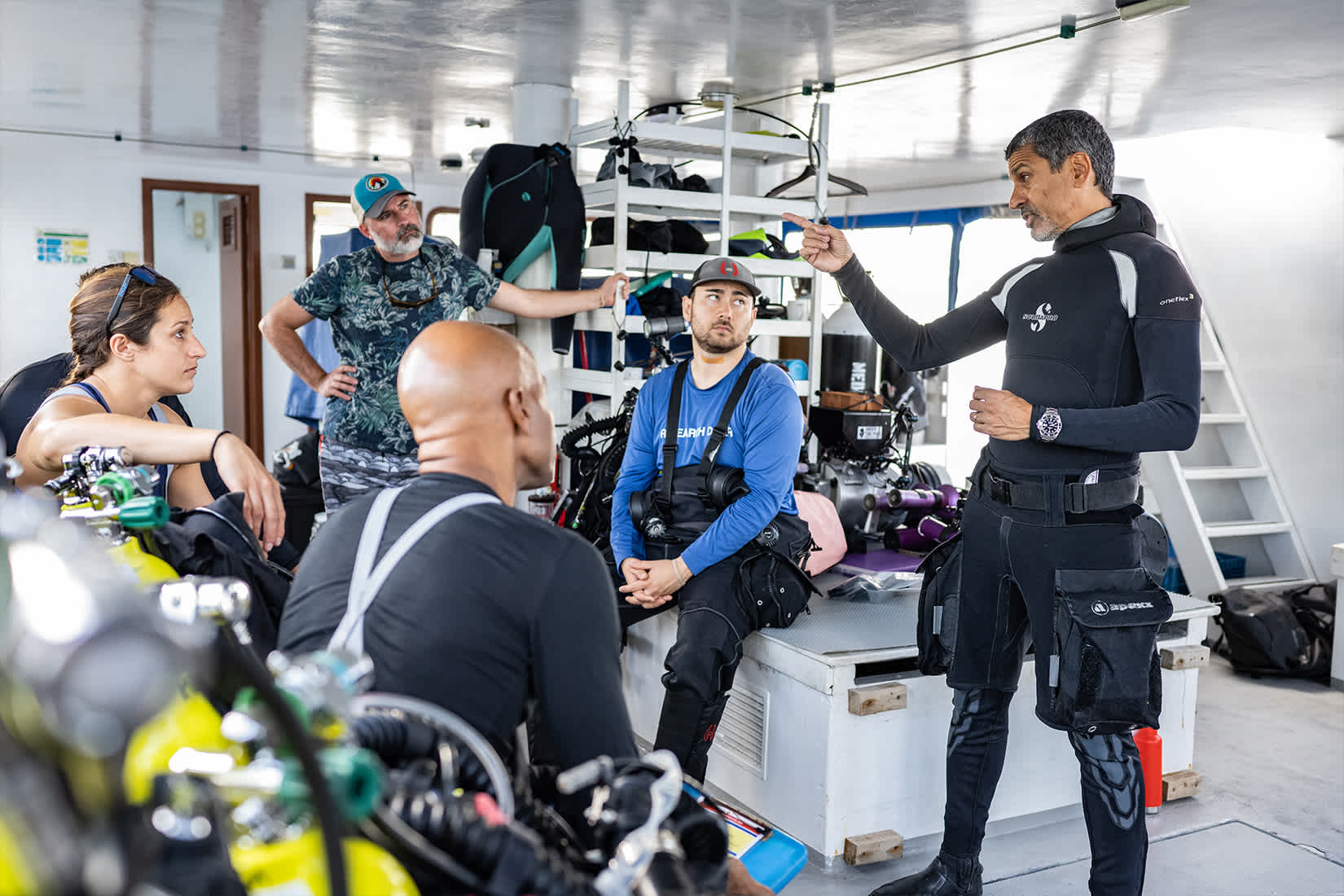
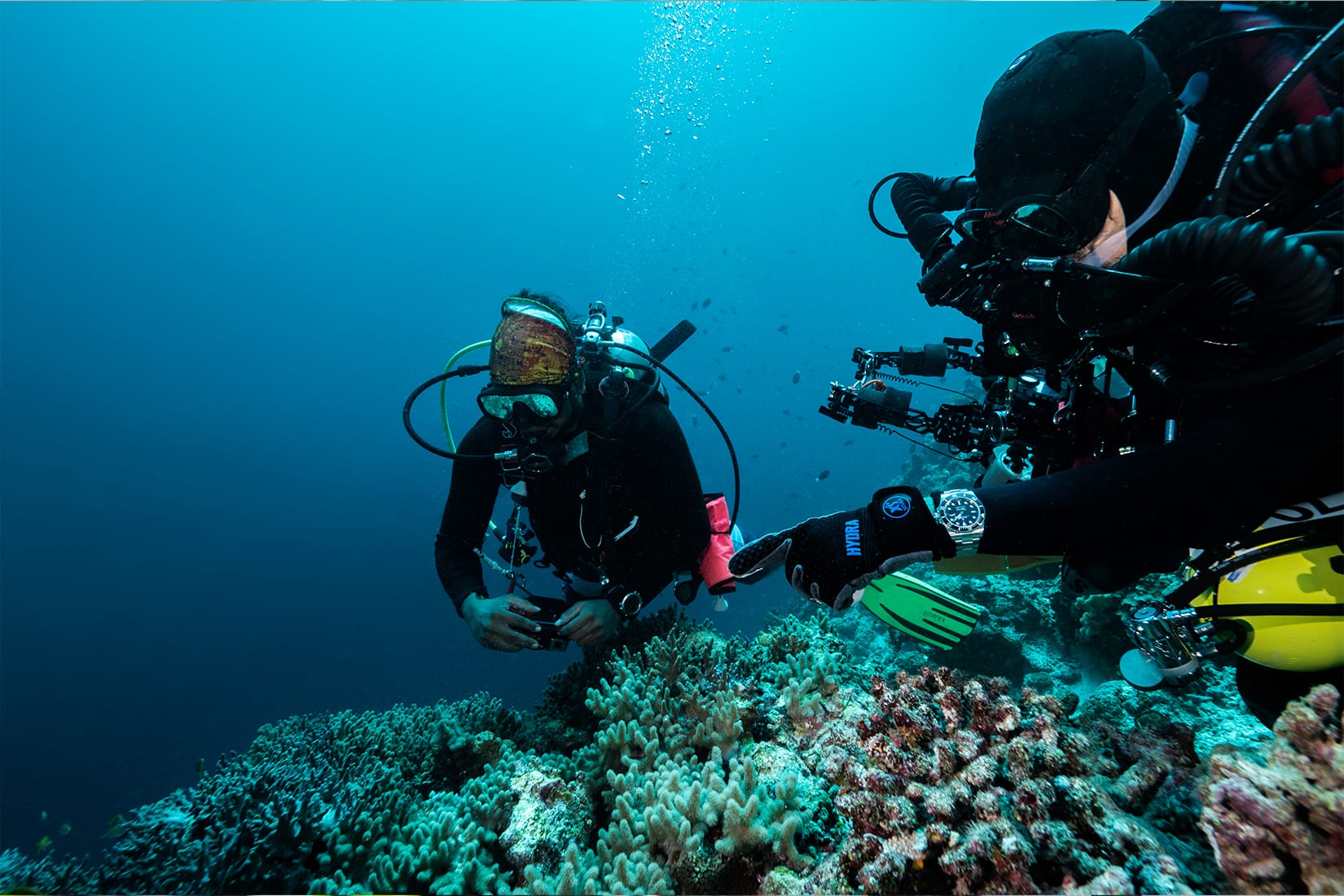
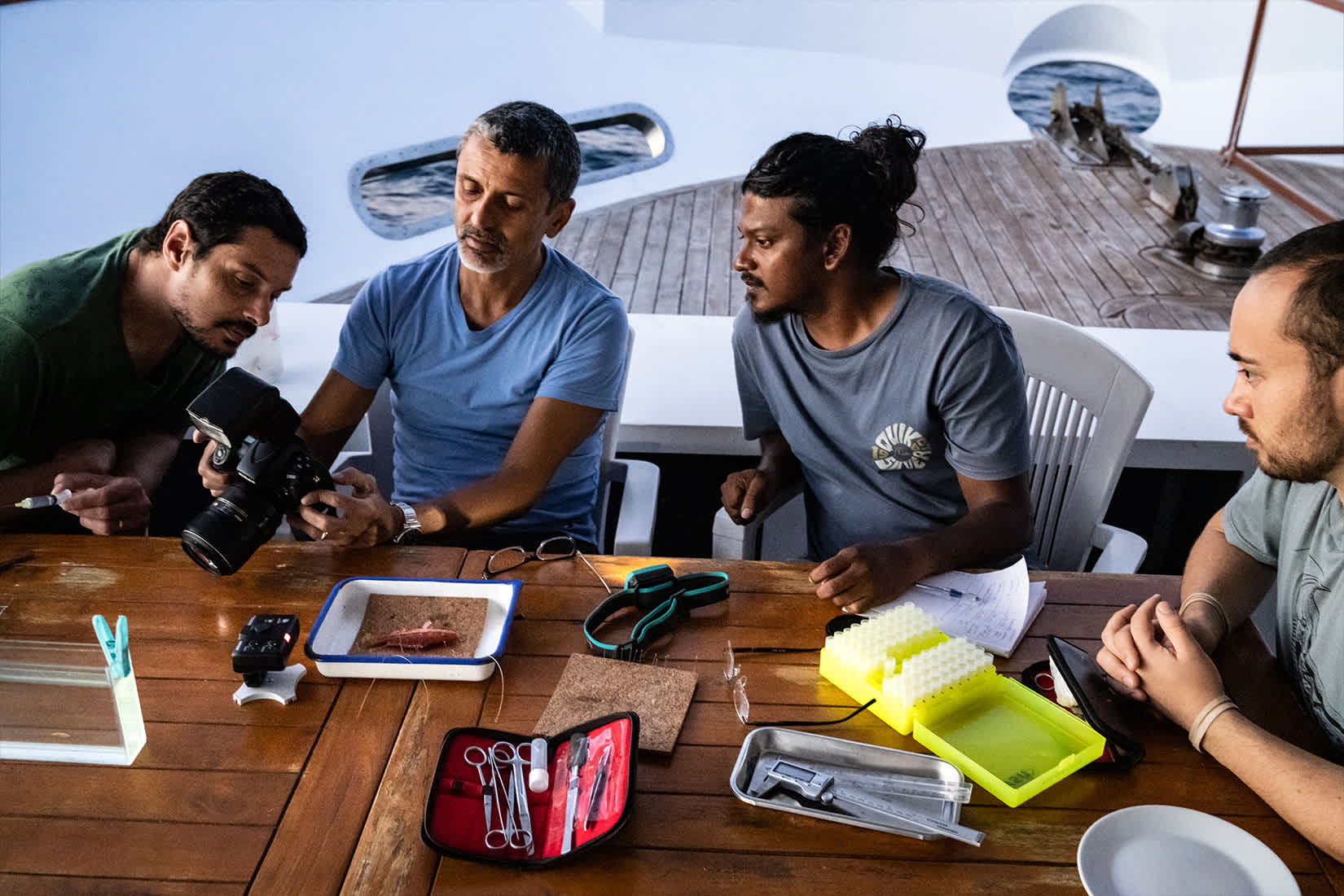
Rocha believes the only way to ensure the long-term survival of the reefs is by involving the Maldives government and people in the project. He is working in partnership with the country’s Ministry of Fisheries and the Maldives Marine Research Institute. Local citizens are also taking part in the expeditions which, he says, “gives the local community the pride of ownership”.

By marshalling the good will of the Maldives people and his own diving experience, Rocha hopes to give the reefs a chance to survive. “I want to protect them because they are unique products of an evolutionary process that took millions and millions of years. To me it is like art.”
