
She [Rili Djohani] calls coral reefs “the lungs of the sea”, as, globally, they provide more than 50 per cent of the oceans’ oxygen. At a time when corals are dying out on a global scale, hope may lie in Nusa Penida’s reefs.

Mission Blue
Published in
Mission Blue Hope Spot Champion Rili Djohani has dedicated decades to protecting the vibrant marine world around her Balinese home. With support from the Rolex Perpetual Planet Initiative, she is helping local people to restore the coral reefs they depend on.

All episodes

Nusa Penida Hope Spot: Episode 1 – 2024

Nusa Penida Hope Spot: Episode 2 – 2024
The expanse of sea between Australia and mainland Asia teems with life. The roughly six million square kilometres of ocean known as the Coral Triangle are littered with islands ringed by coral reefs and boast the highest diversity of coral and fish species on Earth. However, despite more than 120 million people relying on the region’s reefs for their livelihoods, the delicate ecosystems are under threat from warming waters, ocean acidification and destructive fishing methods.

At the heart of the Coral Triangle, on the Balinese island of Nusa Penida, Mission Blue Hope Spot Champions Rili Djohani and Wira Sanjaya are working closely with local communities protect and restore the health of marine habitats around their island home. They have helped establish a Marine Protected Area (MPA) spanning 20,000 hectares around the island, which was added to Mission Blue’s global network of biodiverse and ecologically important marine sites called Hope Spots in 2020.

Djohani has spent years working as a marine ecologist, earning a Master of Science degree in the Netherlands and logging extensive hours diving in the North Sea, the Mediterranean, and the Caribbean. However, having grown up in the Netherlands and moving to Indonesia, in the centre of the Coral Triangle, she realized nothing compared to the underwater world she found there.

“I’ve dived all over Indonesia, and am always amazed by the beauty under water, the sheer diversity of the corals, the colours, the reef fish, the iconic species, it’s just mind blowing. I realized this is where I belong,” she says.
Upon witnessing how the vibrant colours and bustling life of Indonesia’s reefs were fading, Djohani decided to take action, and in 2010 set up the Coral Triangle Center (CTC).

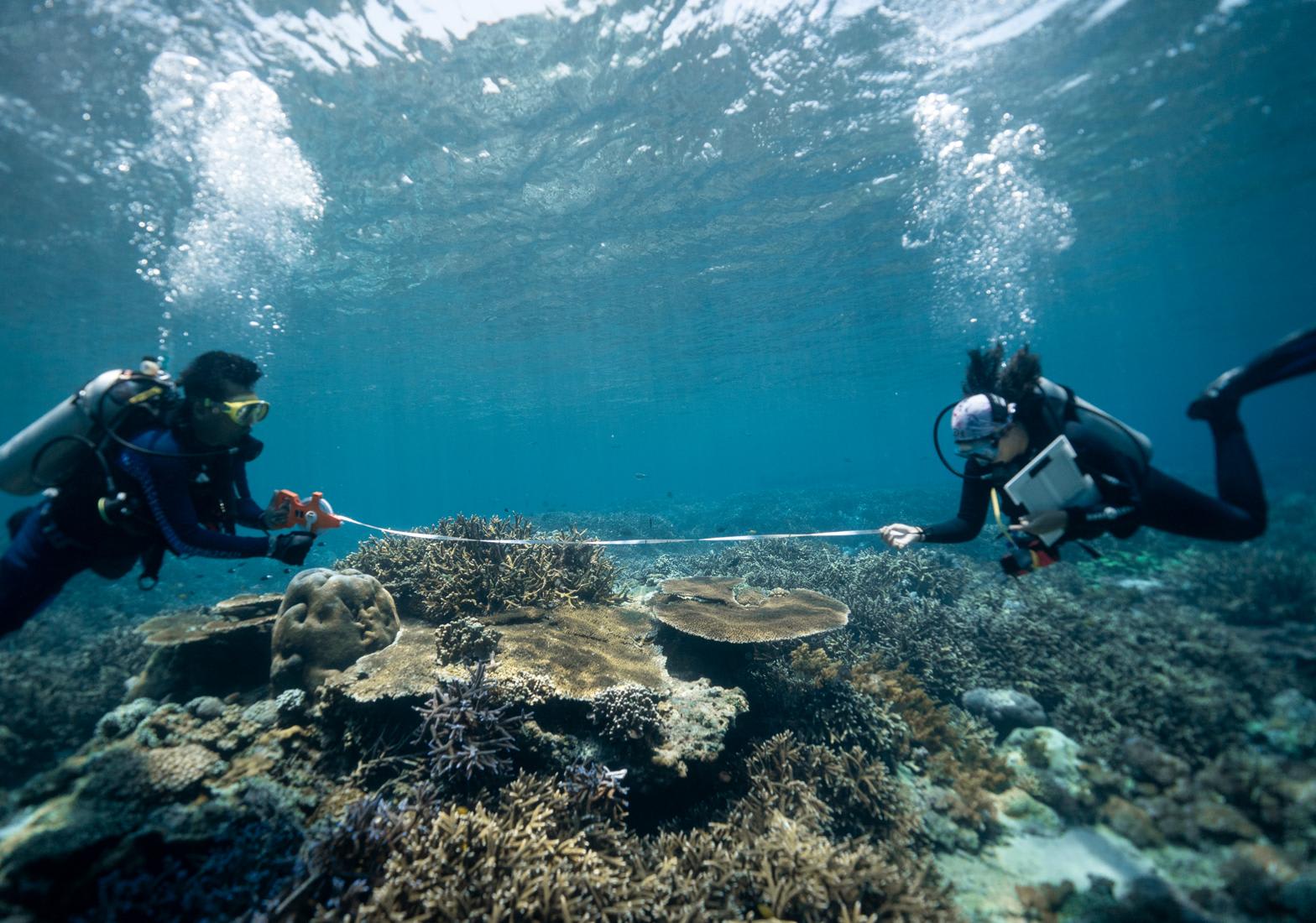
Just a year after she founded the non-profit foundation, Djohani’s team was consulting with the Indonesian government and local communities to establish the MPA around the islands of Nusa Penida, Nusa Lembongan and Nusa Ceningan, off the south coast of Bali. The MPA is home to some 570 species of reef fish, including manta rays and the majestic ocean sunfish, and close to 300 species of coral, representing over 76 per cent of all known coral species.
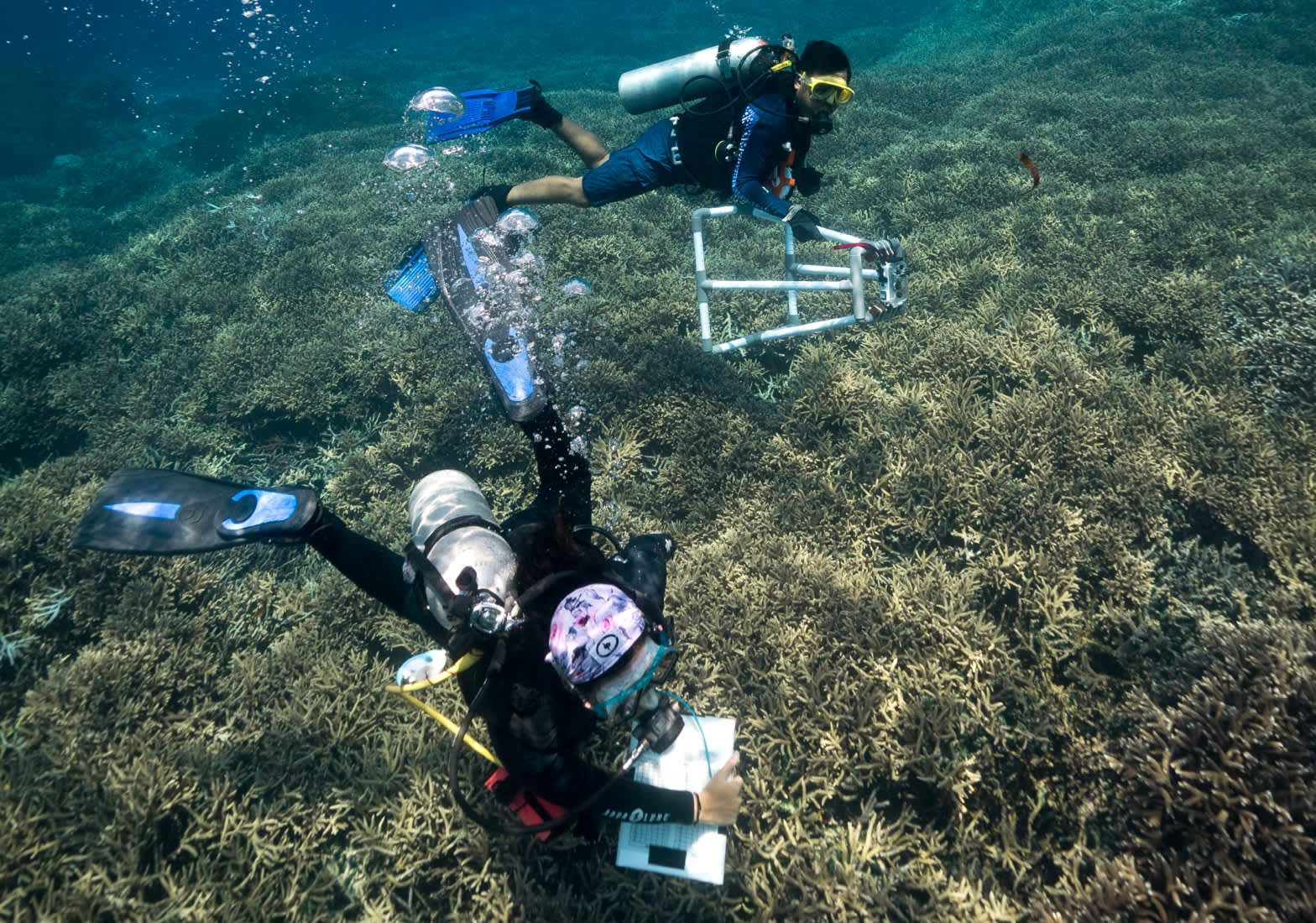
Djohani’s work, however, reaches far beyond her own archipelago. She calls coral reefs “the lungs of the sea”, as, globally, they provide more than 50 per cent of the oceans’ oxygen. At a time when corals are dying out on a global scale, hope may lie in Nusa Penida’s reefs. The local corals seem to be unusually resilient to ocean warming, which may be due to upwellings of cool, nutrient-rich water from the Indian Ocean’s depths. Whatever the reason, protecting and studying these reefs could yield answers integral to global coral conservation efforts.
She [Rili Djohani] calls coral reefs “the lungs of the sea”, as, globally, they provide more than 50 per cent of the oceans’ oxygen. At a time when corals are dying out on a global scale, hope may lie in Nusa Penida’s reefs.
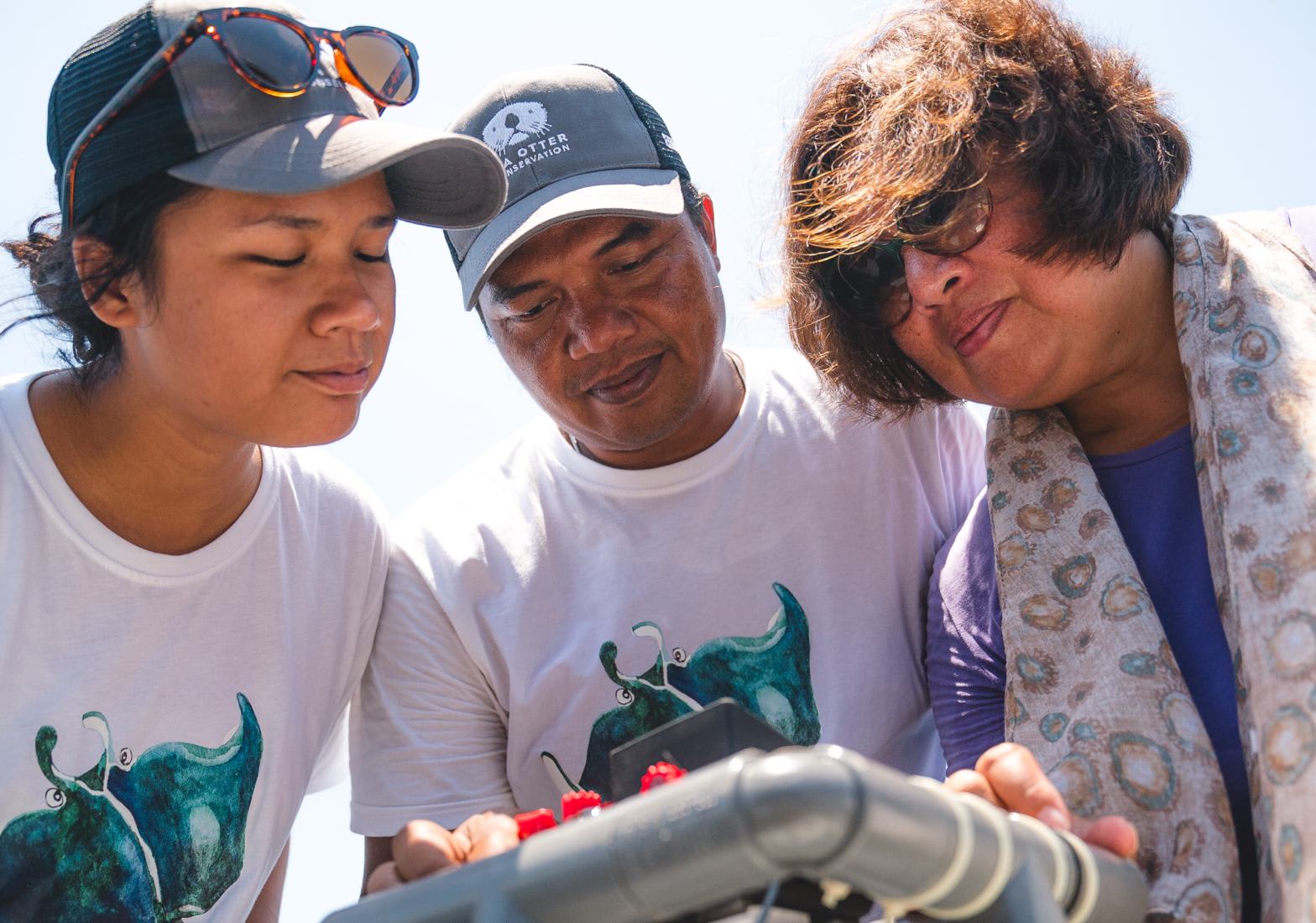
Close collaboration with local residents has been at the heart of Djohani’s work since she founded the CTC, as she recognizes the importance of their involvement in long-term conservation strategies. “We got really great support early on from the local communities, which has been pivotal for this Marine Protected Area,” she points out.
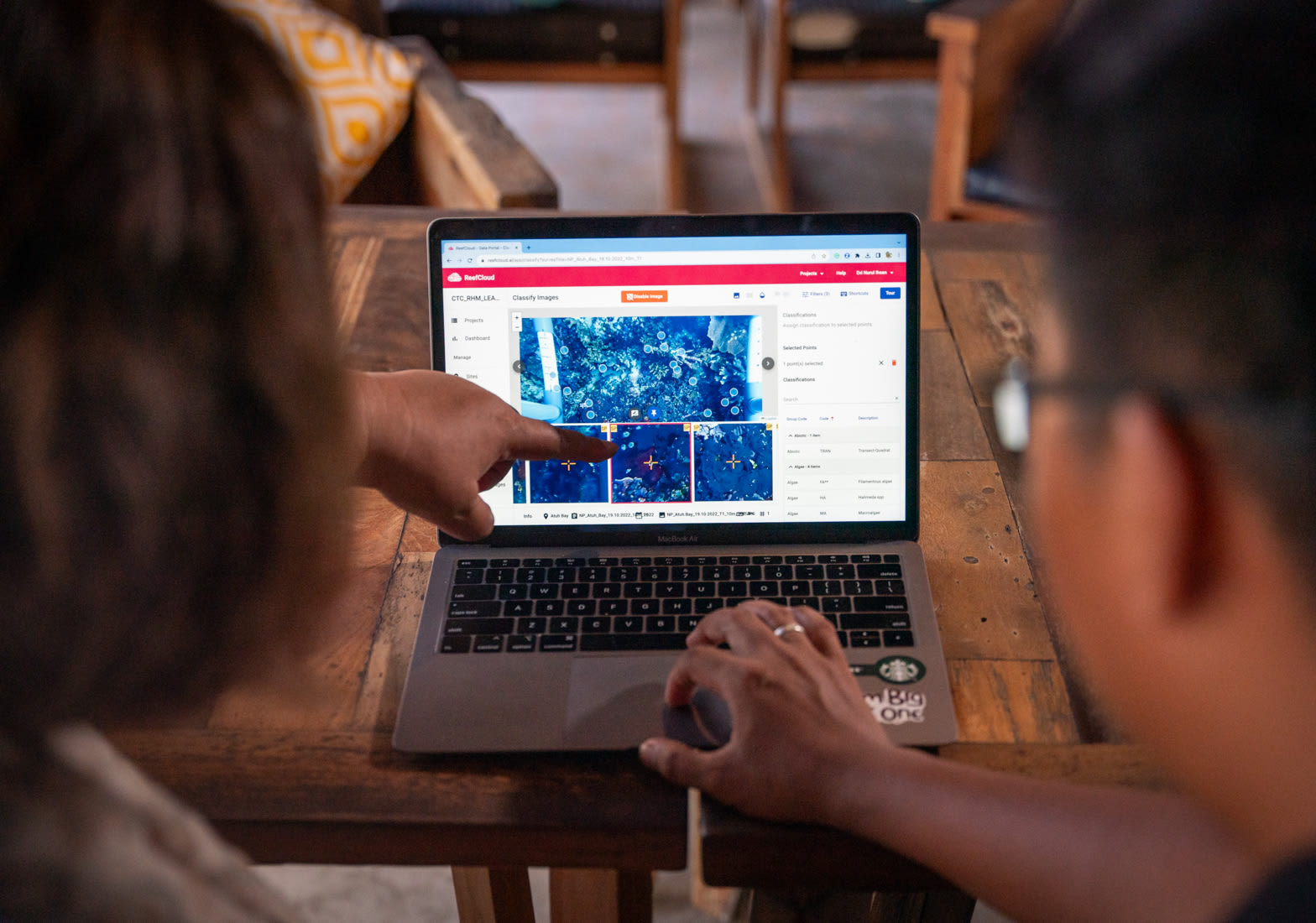
Many of the 48,000 people living on Nusa Penida rely on the ocean for food and income, and the CTC is training local community groups to protect their way of life by managing the MPA, surveying wildlife and running guided tours.

The CTC is also providing local people with alternative, sustainable sources of income that allow them to exist alongside the ocean by reviving the traditional practice of seaweed farming and creating specific zones within the MPA for sustainable marine tourism.
“Local communities are those who will be most affected by the loss of these ecosystems and so are those who will benefit the most from the effective management of the marine conservation area,” explains Sanjaya.
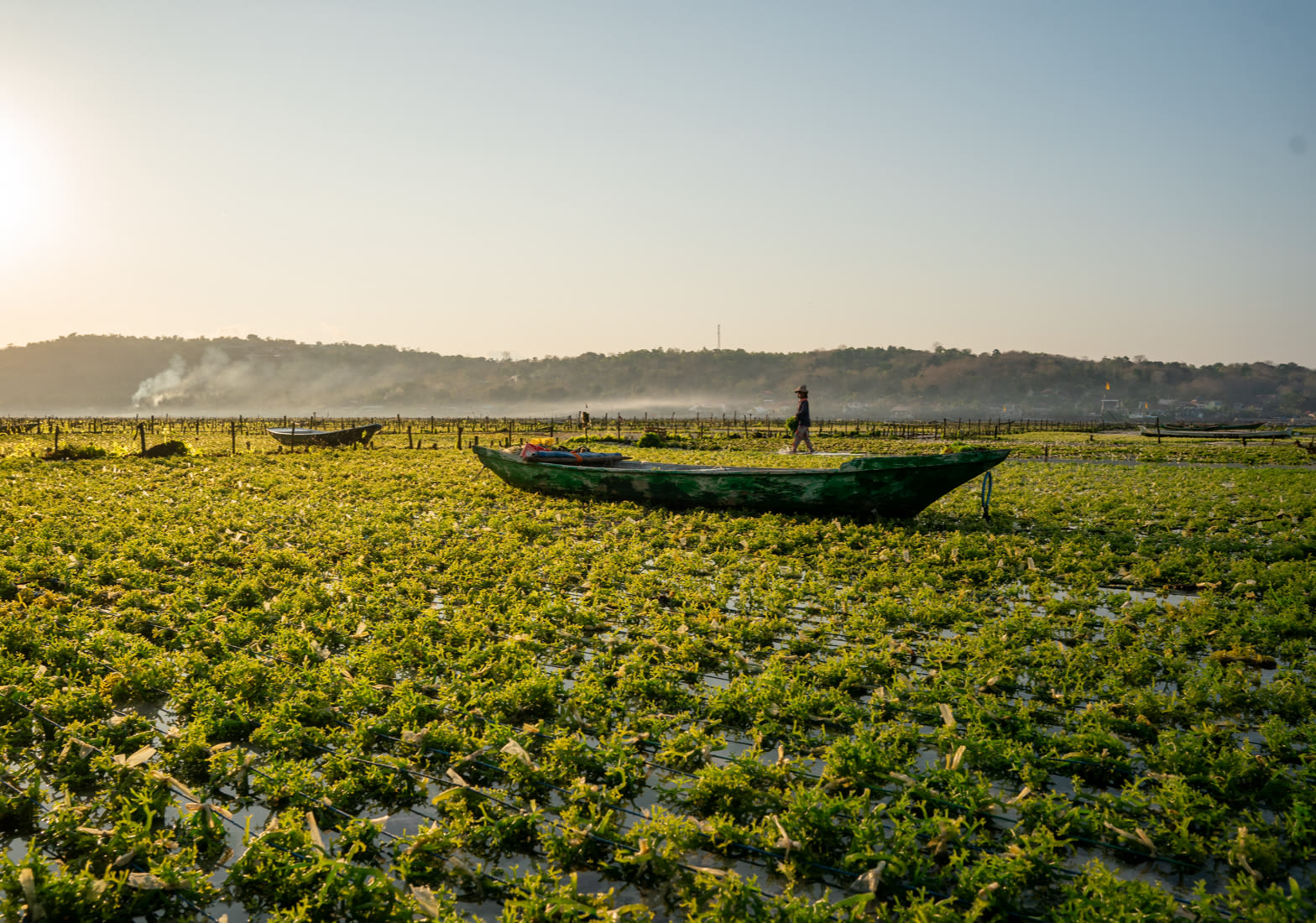
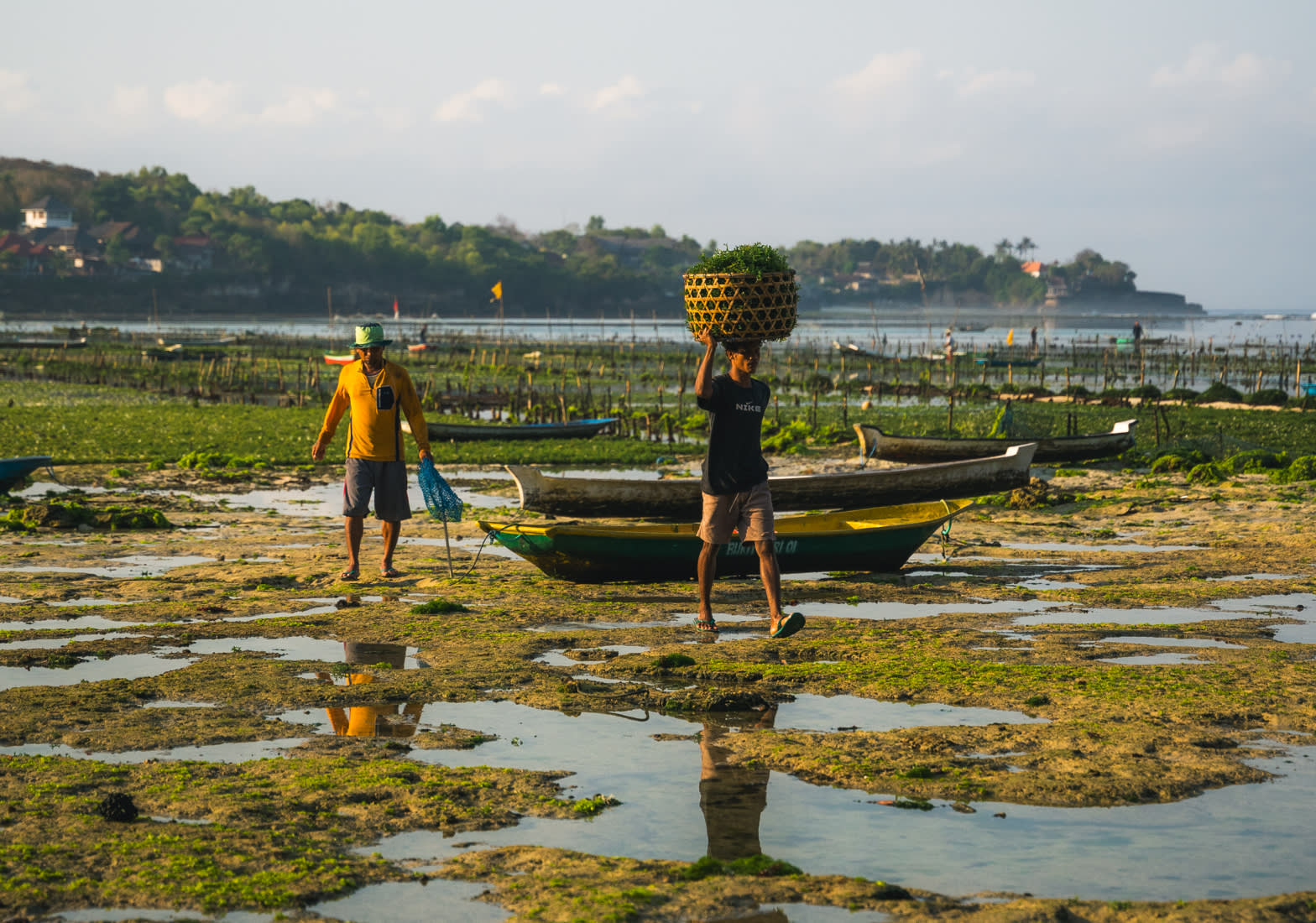
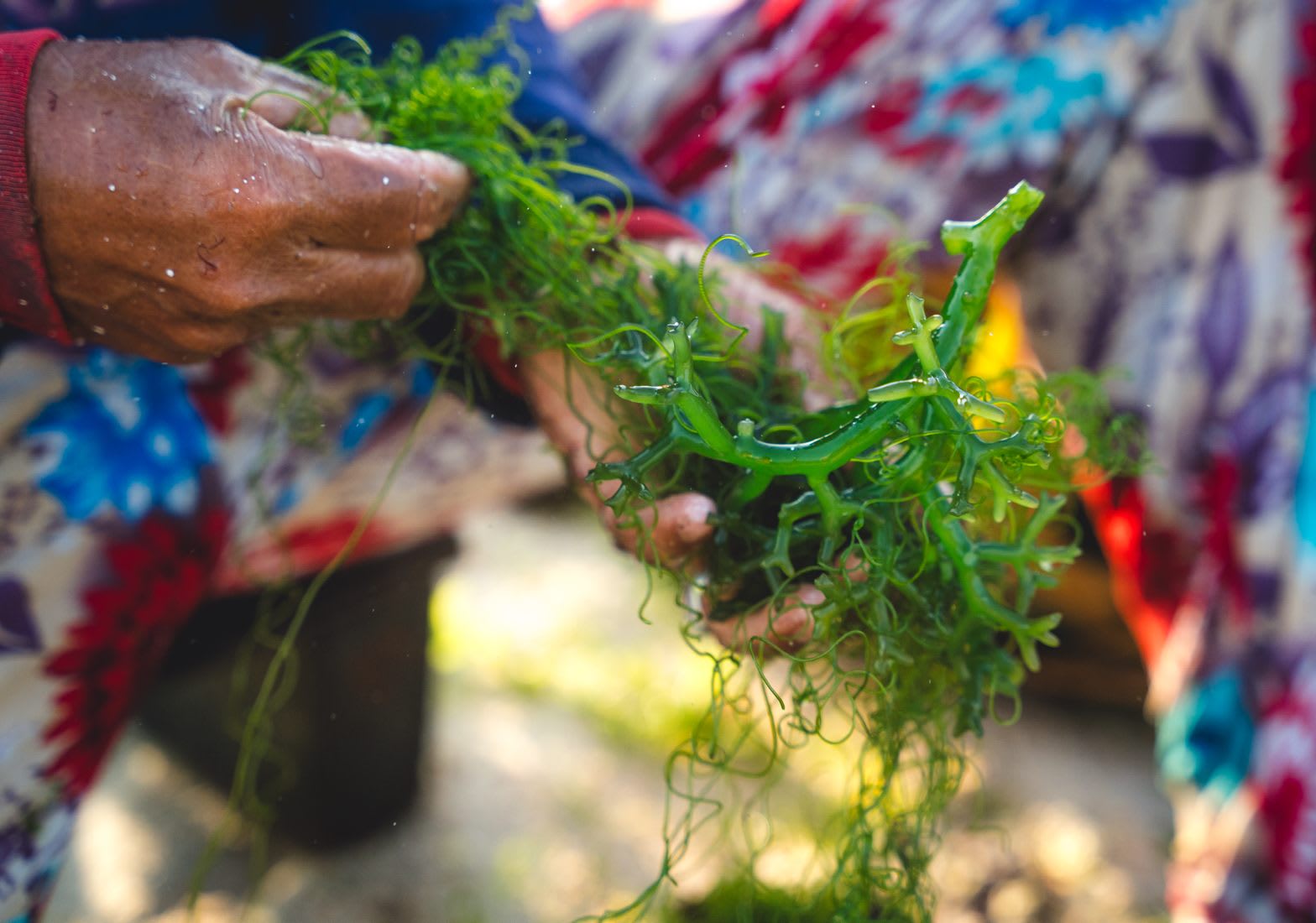
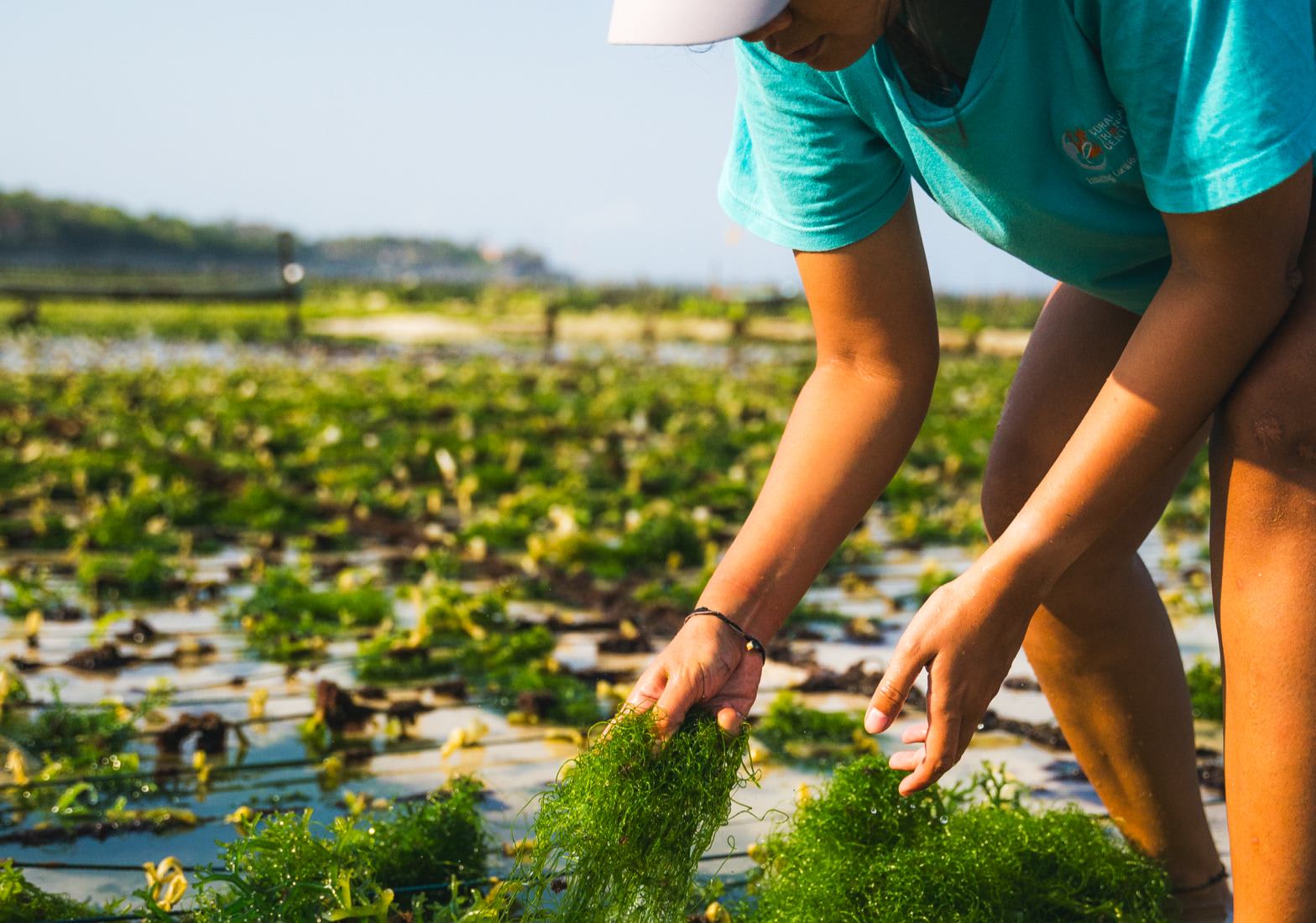
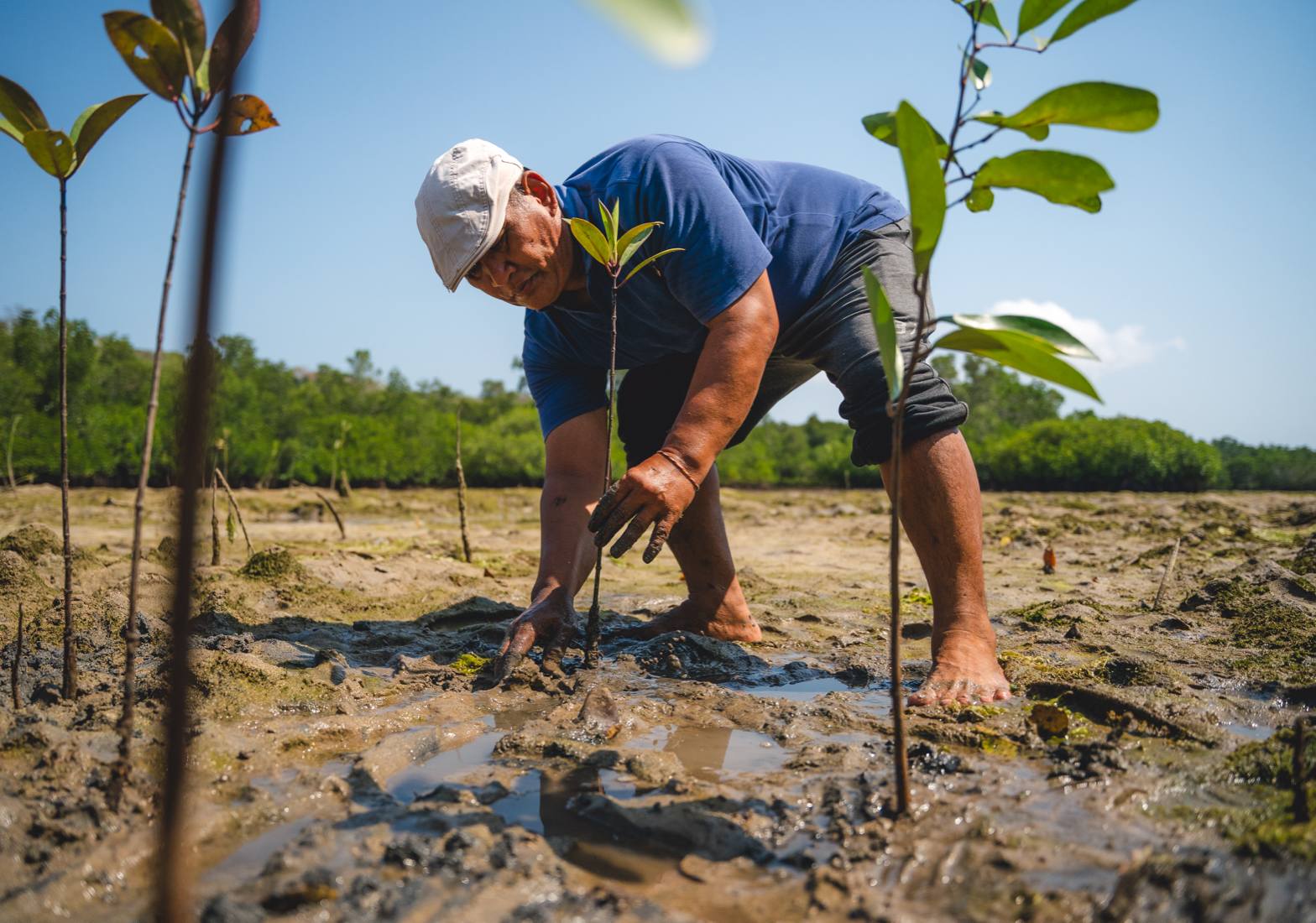
Local communities are those who will be most affected by the loss of these ecosystems and so are those who will benefit the most from the effective management of the marine conservation area.

For generations, Balinese people have paid their respects to Dewa Baruna, ruler of the sea, who maintains harmony between land and ocean. Now, the CTC is engaging with this cultural heritage through the ancient Indonesian art of shadow puppetry, Wayang Samudra.
By reminding local people, especially children, of their cultural heritage, and how intrinsically linked it is to the ocean, the CTC hopes to inspire the next generation of ocean guardians.

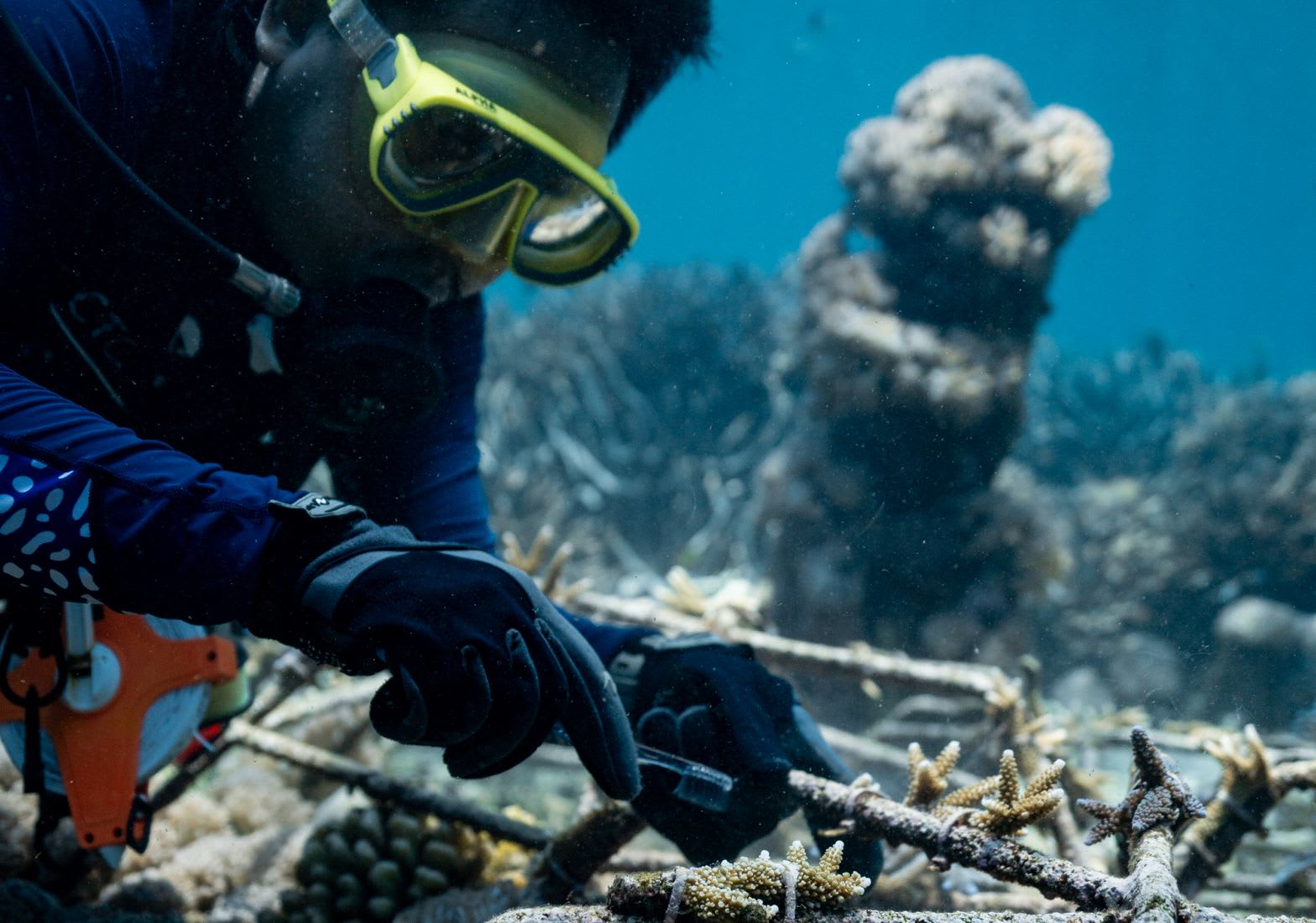
The CTC is not only protecting Nusa Penida’s ecosystems but restoring them as well. By installing sand-coated steel frames to the ocean floor, to which they attach fragments of live coral, Djohani and her team are regrowing lost reefs.

Recently, the CTC worked with the local community group Satya Posana Nusa to plant 10,000 mangroves across the MPA to help restore its mangrove forests. The relative shelter of the mangroves provides nurseries for reef and ocean fish, making them a critical part of the wider marine ecosystem. The trees also trap sediment, which protects the islands against storms, and capture carbon from the atmosphere, making them crucial in both the local and global fight against climate change.

The CTC’s success in Nusa Penida has led to operations across seven MPAs, protecting 387,000 hectares of critical marine habitats, a crucial part of the Indonesian government’s goal of protecting 30 per cent of its ocean environment – more than 96 million hectares.

Djohani and Sanjaya hope that, with support from Mission Blue and the Perpetual Planet Initiative, the Nusa Penida Hope Spot can serve as an example for conservationists around the world, showing how to protect marine ecosystems while preserving sustainable livelihoods for local people.
“As more and more people are inspired to get involved, I get more and more optimistic that we can push for healthier seas,” says Sanjaya.

Launched in 2009, Mission Blue’s aim is to create a global network of Hope Spots, which are ecologically important areas of the oceans considered vital to the preservation of species, or places where communities rely on a healthy marine environment to survive. So far, Mission Blue has created more than 160 Hope Spots around the world. Key to the programme is the empowerment of local people to make change.