Shortcuts

Arctic seas yield their secrets
Under The Pole
Published in
With the support of Rolex’s Perpetual Planet Initiative, underwater exploration programme Under The Pole has explored the icy waters of the Arctic Ocean to study and raise awareness of rich but little-known ecosystems called marine animal forests.

All episodes
Svalbard expedition: Episode 1 – 2023
Mysteries of the Arctic
Svalbard expedition: Episode 2 – 2023
Discovering the deep
Svalbard expedition: Episode 3 – 2023
A change for tomorrow


Conserving the Arctic ocean’s “forests”
Hidden beneath the surface of the ocean, there are forests made of animals.
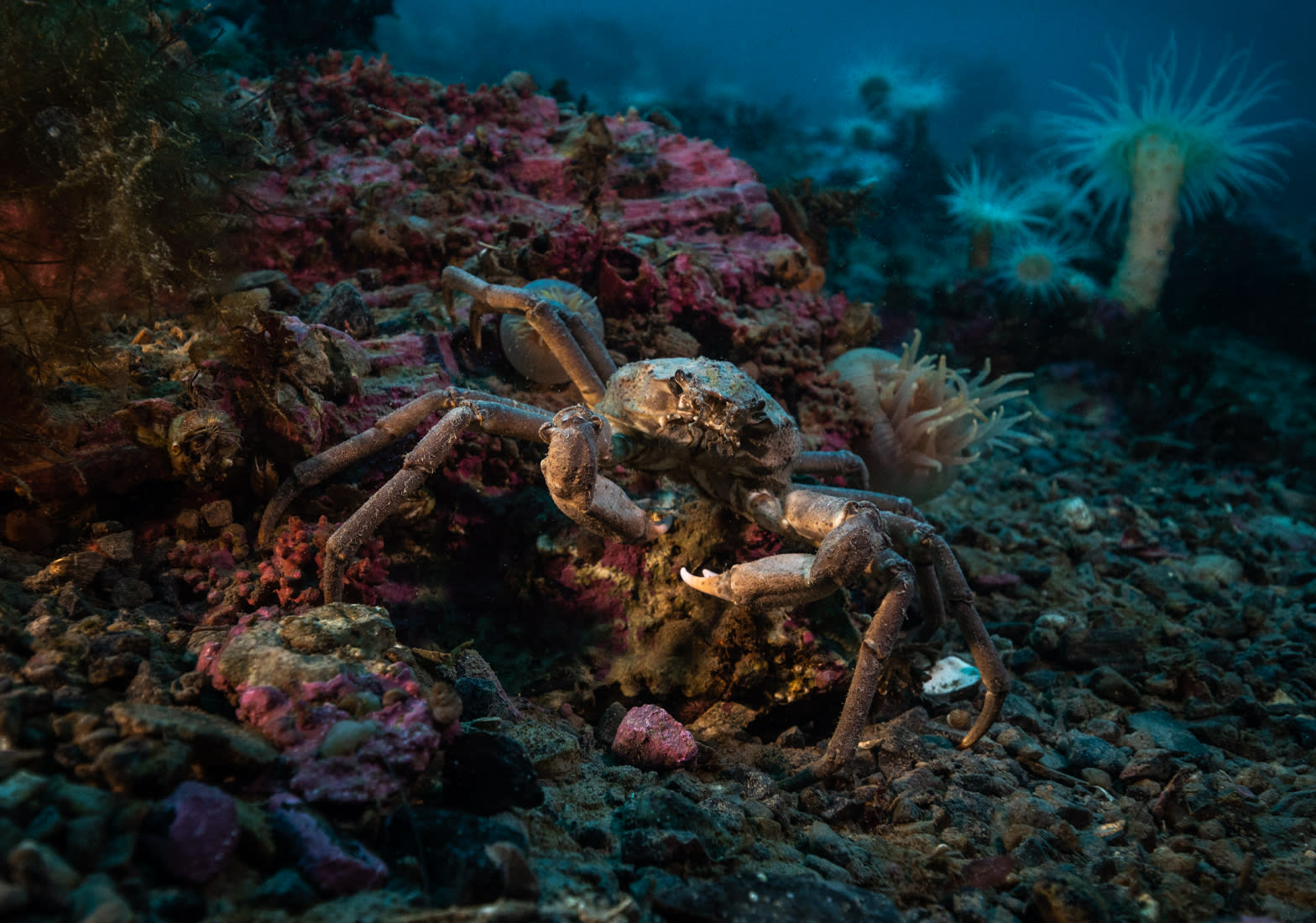
Between 30 and 200 metres down, in the mesophotic zone, the ocean is dimly lit but not pitch-black. Organisms like algae that depend on sunlight cannot survive in this twilight world. Instead, the ecosystem is dominated by animals like corals, gorgonians (soft corals) and sponges that anchor themselves to rocks. Conditions within these forests are more stable than in open water.

“These underwater forests are exactly the same as the forests we have on the surface, on land,” says Ghislain Bardout, Co-Director of Under The Pole. “They are three-dimensional structures that shelter life.” However, unlike their land-based counterparts, many submarine forests remain undiscovered.

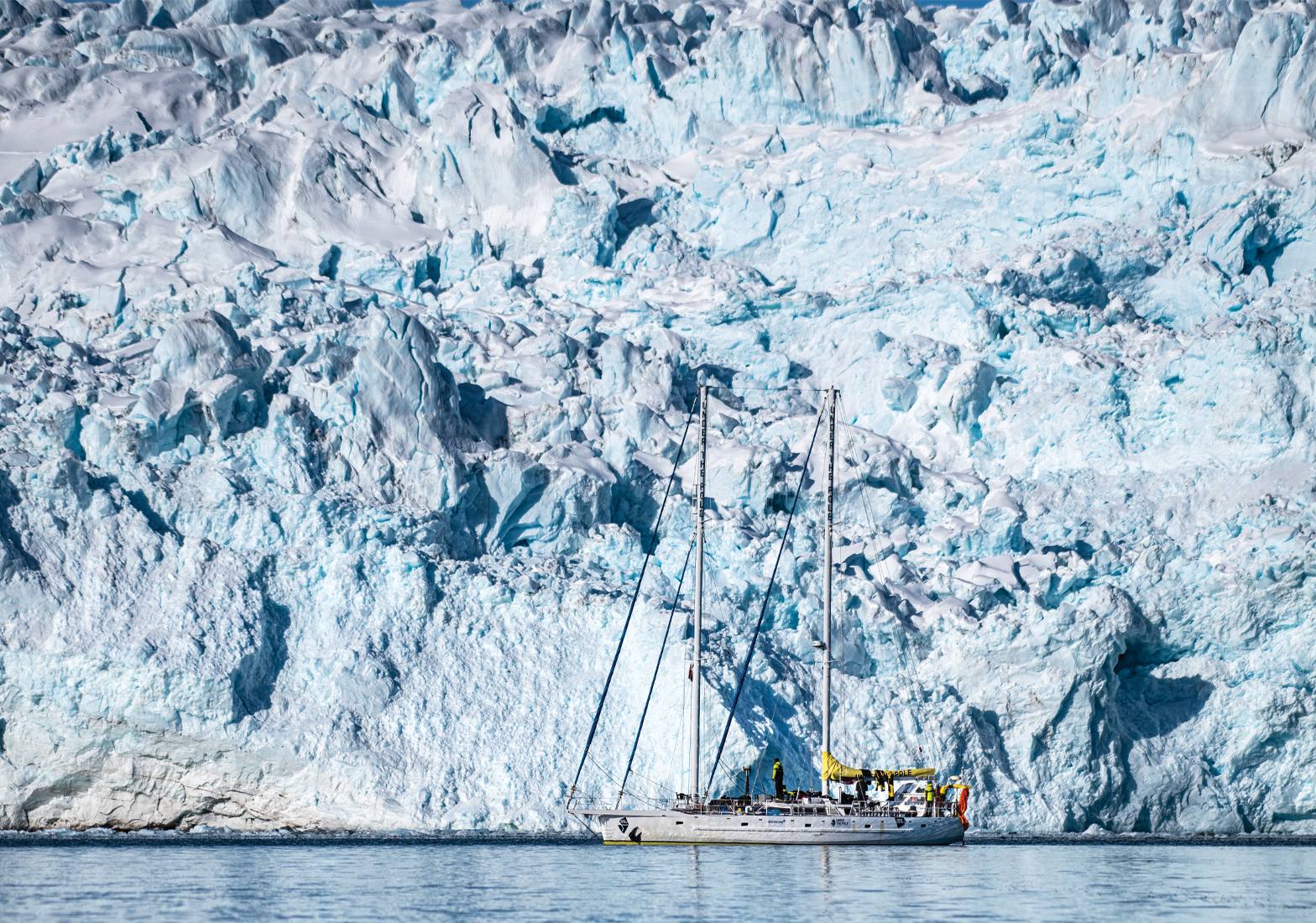
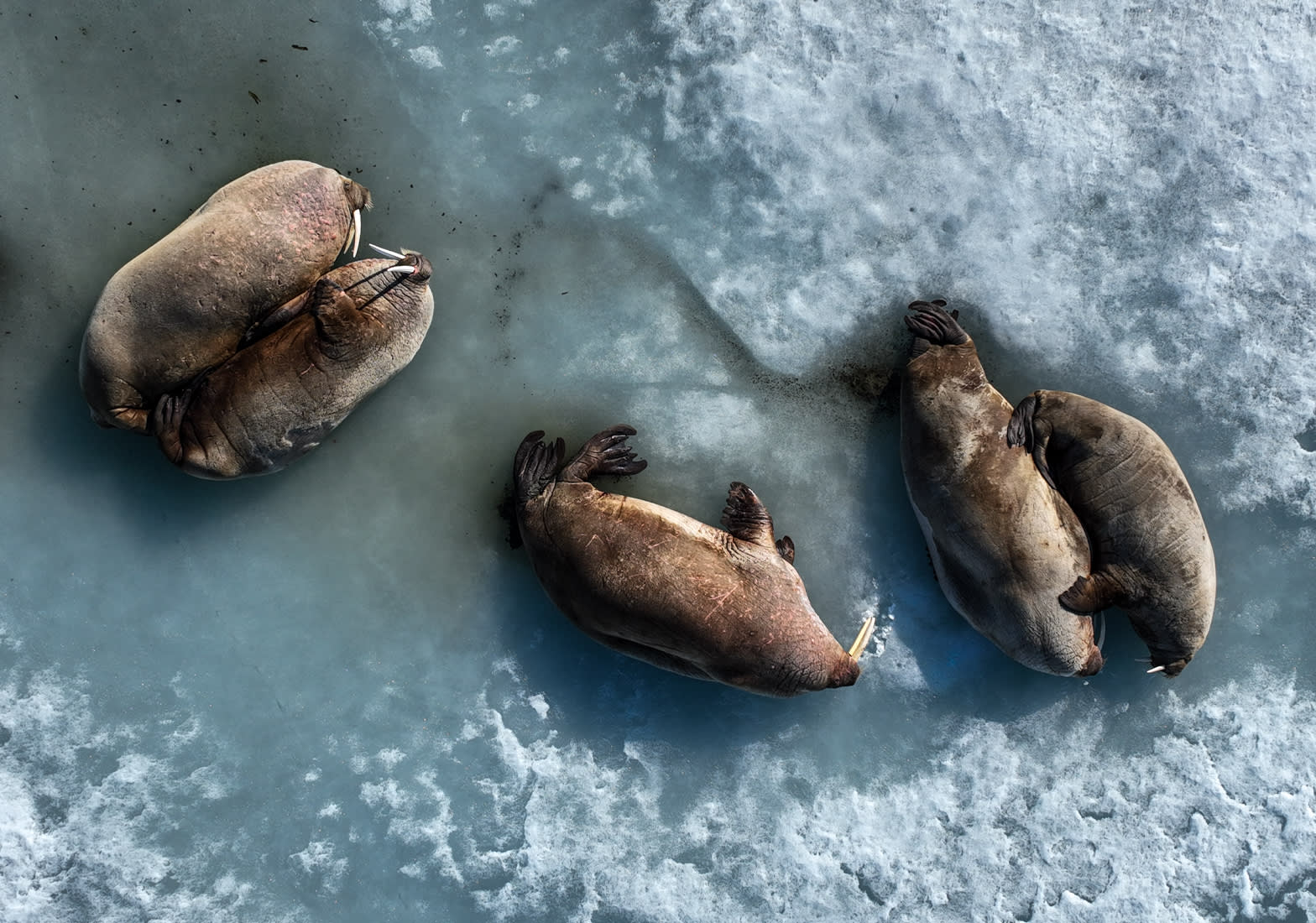
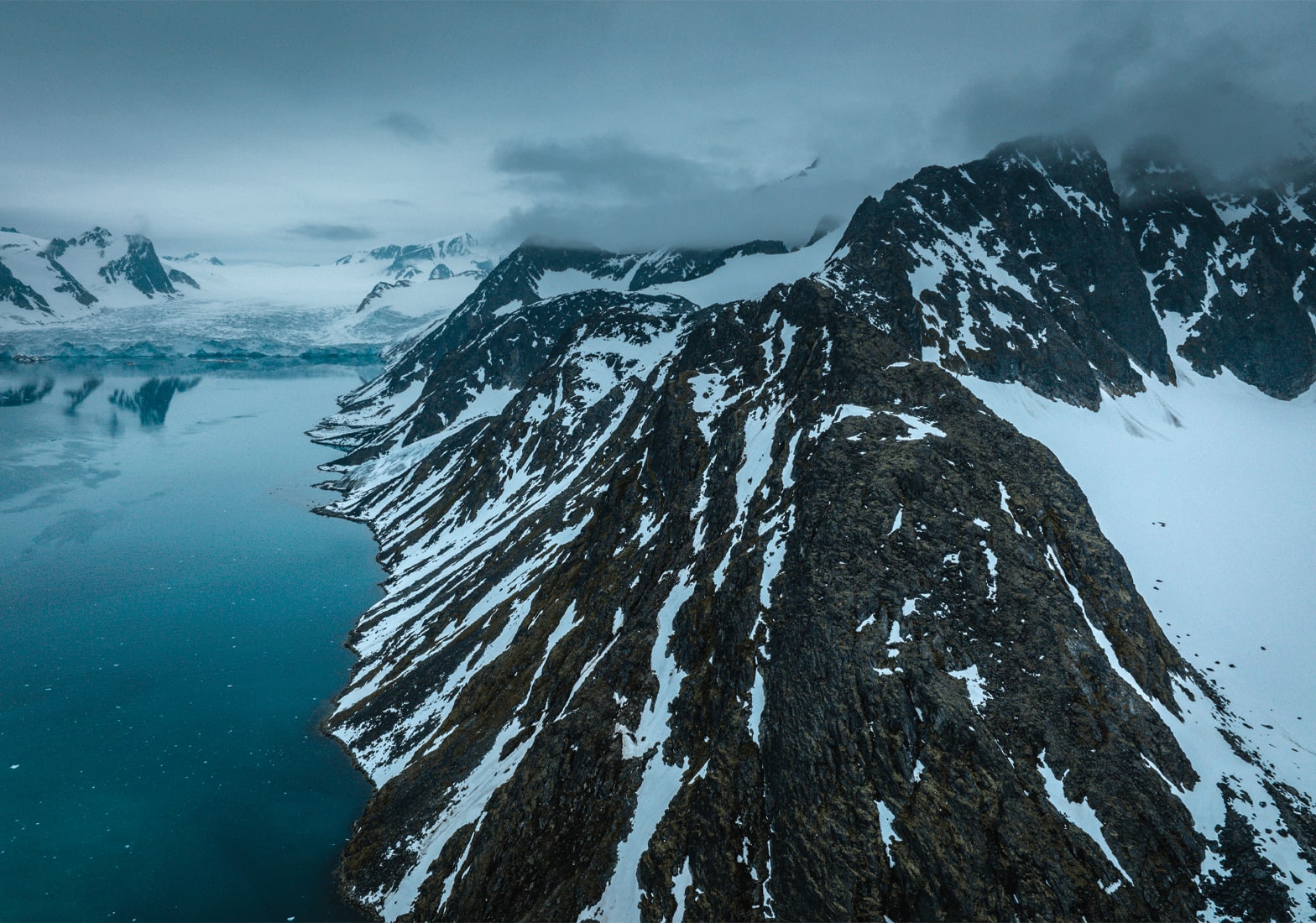
Bardout headed a team of divers and scientists that sailed in the frigid seas near the Svalbard archipelago, off Norway’s north coast, in a region of endless white where the sea ice frequently stretches to the horizon in every direction. He has been fascinated by the Arctic all his life. “I remember wondering about these white immensities, the ice pack that stretches as far as the eye can see,” he says.

Diving in challenging conditions
Under The Pole’s aim in Svalbard was to find and study marine animal forests, as well as to help raise awareness of these biodiversity-rich but unknown and fragile ecosystems.
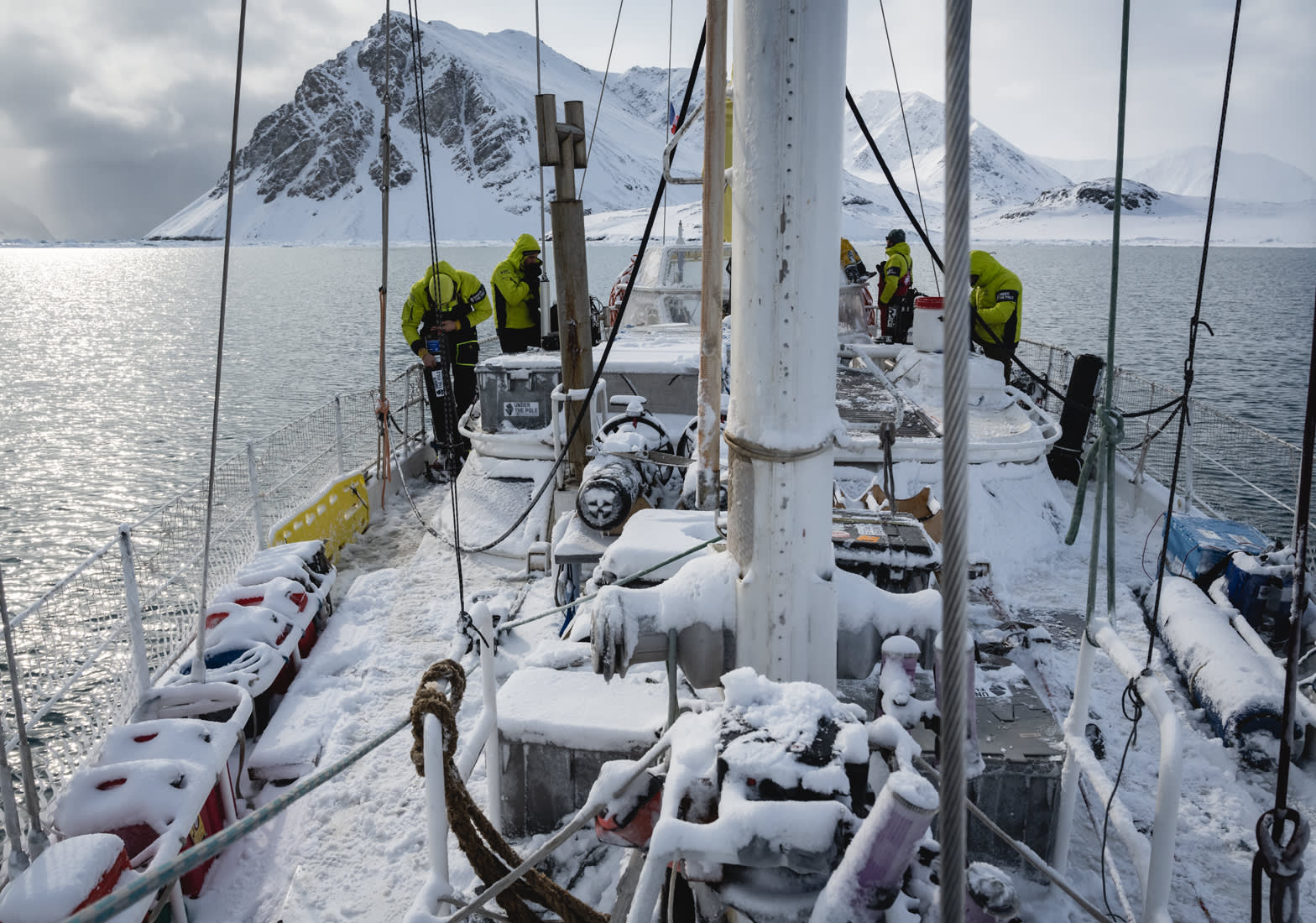
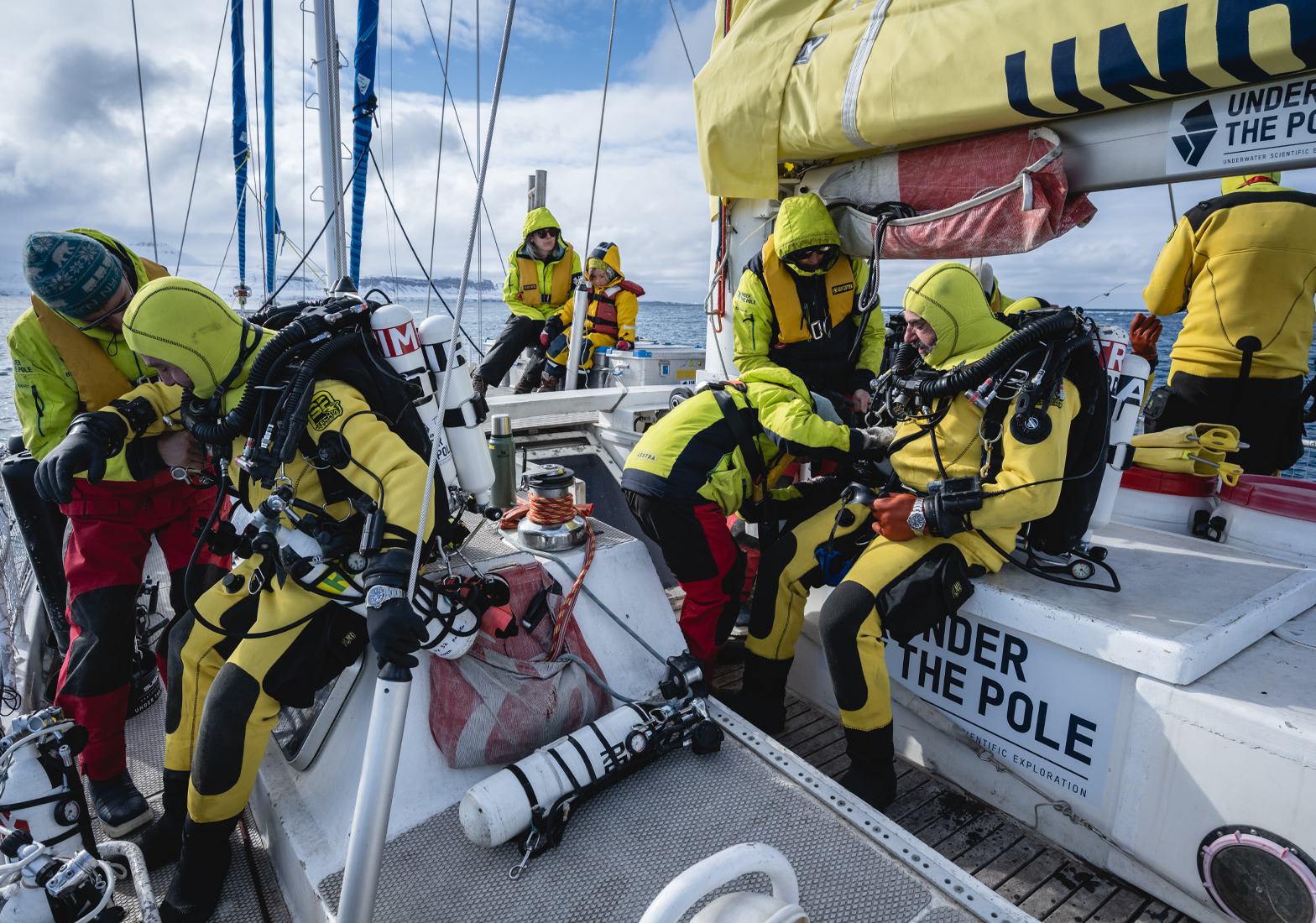
The team began by carefully studying maps to find the places most likely to have rich underwater life. A key clue was whether there were strong currents, which carry nutrients and sustain the marine animal forests. They chose a series of sites around Spitsbergen, Svalbard’s largest island. This entailed sailing amidst floating sea ice, in temperatures that regularly dropped to -30° C. “There is no room for error,” says Emmanuelle Périé-Bardout, Co-Director of Under The Pole.

To find marine animal forests, team members repeatedly dived into the Arctic Ocean. This is a challenging proposition, says Bardout: “The cold is something that hurts, that wears out the equipment, that wears out the teams.” Furthermore, they dived deeper than the 30 metres typical of recreational dives. To achieve this, they used specialist rebreathers that recycled the unused oxygen they breathed out and extended their air supply.
Despite the challenges, the dives in the Arctic can be magical, especially during the cold season. “We went from a white, grey, sometimes blue world and entered a world of ice that the human eye is not used to seeing,” Bardout recalls of his first expedition at the pole.
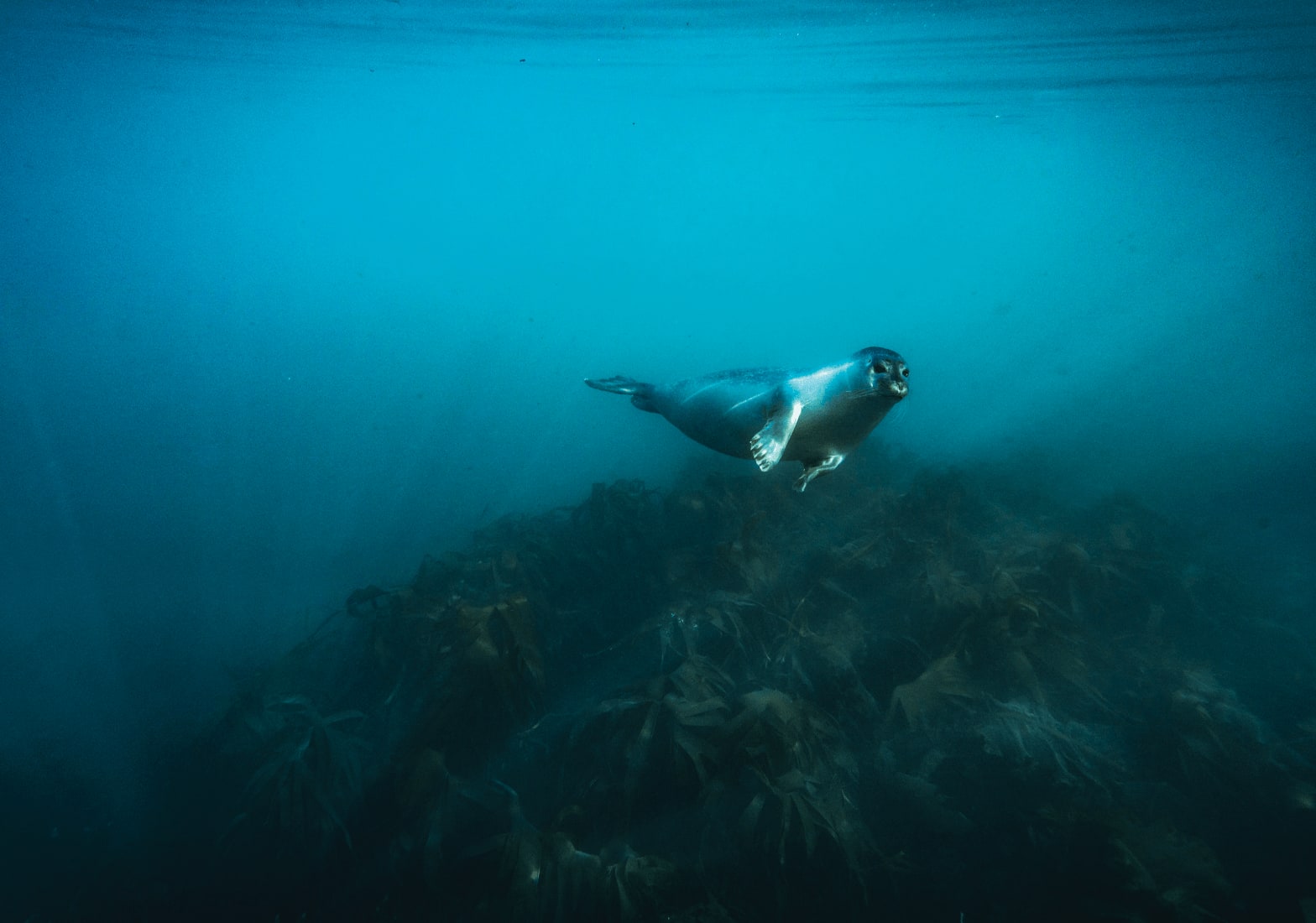
Biodiversity in the Arctic is among the most threatened on Earth because conditions are changing rapidly. While our greenhouse gas emissions have warmed the entire planet, the Arctic is warming faster than everywhere else. The floating sea ice that covers much of the Arctic Ocean has halved in extent over the last 40 years.
It’s terribly exciting to think that we have found the first underwater Arctic animal forest.

For the organisms that live in the waters under the sea ice, these changes could be dramatic. By showcasing the ecosystems of the Arctic Ocean, Bardout and his team hope both to call attention to their plight and find clues in order to protect them.
Fortunately, Under The Pole knows a thing or two about sailing and diving in the Arctic. “I learned here, 15 years ago, how to navigate in the polar regions,” says Périé-Bardout.
That experience is essential because the Arctic is a challenging place. “Everything is difficult,” Périé-Bardout goes on. “Sailing is difficult, repairs are difficult, and you have to anticipate wind and ice conditions all the time.”

A discovery in the deep
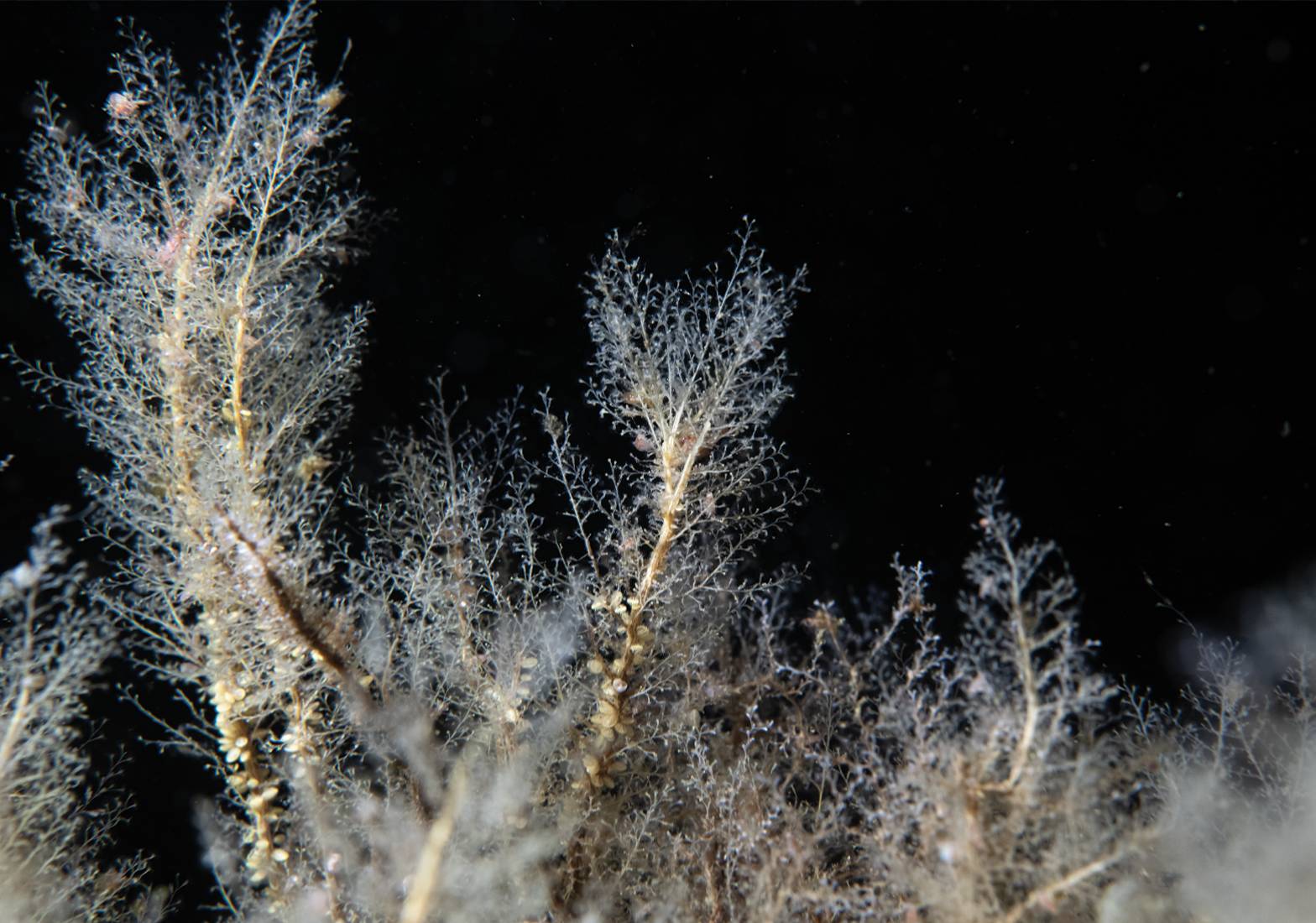
During their first series of dives, the team repeatedly drew blanks. But on the final dive, they found the first marine animal forest ever identified in the Arctic. It consists of hydroids, which are animals related to jellyfish and corals. Technically called Hydrozoa, they spend part of their lives attached to the sea bed and resemble bells, flowers and ferns.
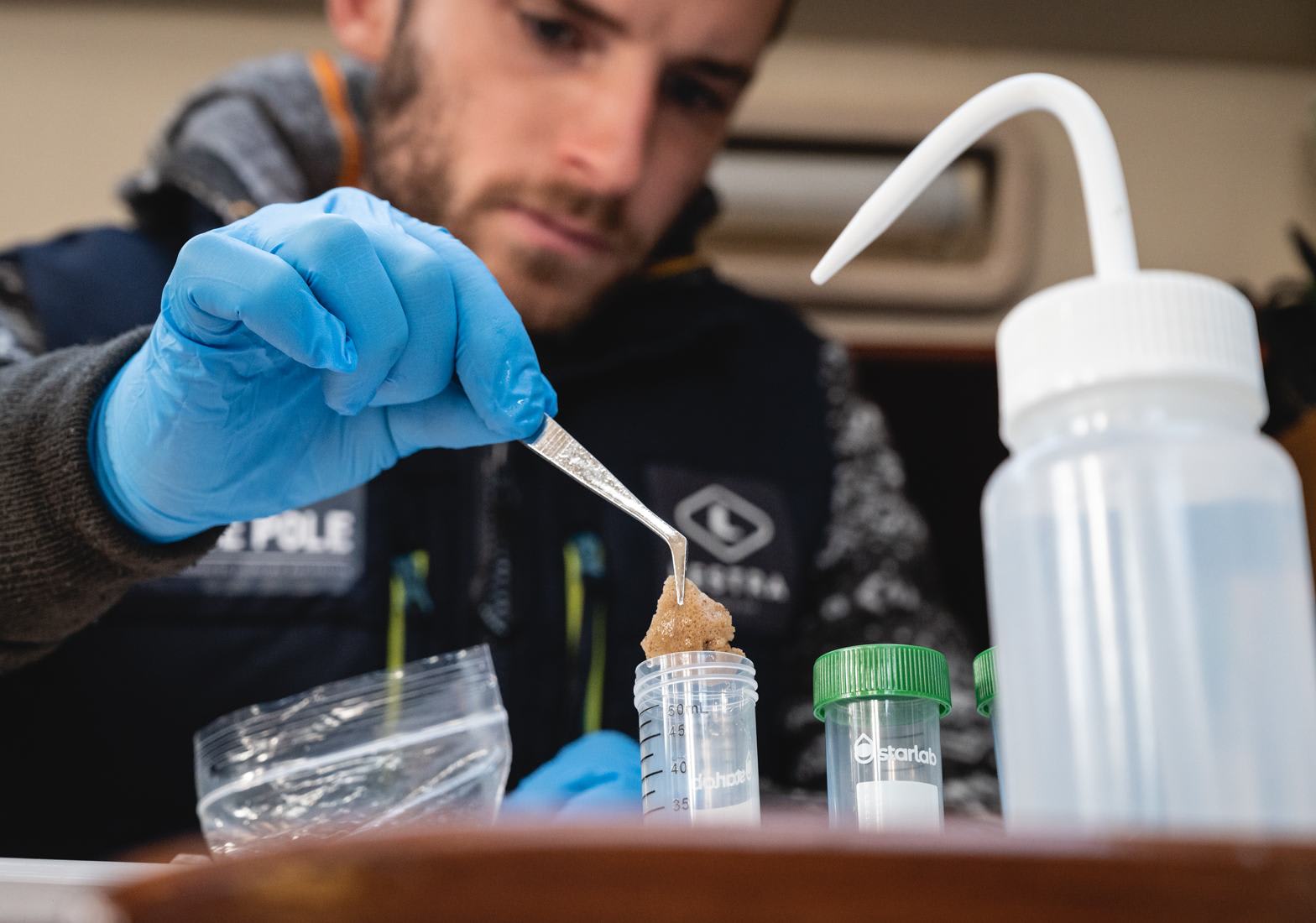
“It’s terribly exciting to think that we have found the first underwater Arctic animal forest,” says Périé-Bardout. In a series of dives, the team recorded the different species that were living in the forest. They also took environmental data like temperature, to find out what conditions support the formation of such forests.

What’s more, that is just the start. “We’ll be able to come back and see how it evolves,” says Périé-Bardout. “This is terribly valuable for science, because we can’t report these changes in the underwater ecosystems if at some point we don’t have a time zero.”
While the team are now heading off to explore other seas in temperate and tropical climates, they will be publishing the results of their Svalbard surveys – an endeavour involving 13 academic institutions from France, Norway, Spain, Italy, Belgium and Brazil – to inform future conservation and management plans of this area. “This knowledge that we acquire with the scientists,” says Bardout, “is crucial because it brings hope and gives humanity a chance to change its behaviours.”
This knowledge that we acquire with the scientists is crucial because it brings hope and gives humanity a chance to change its behaviours.
The DEEPLIFE programme will run for the rest of this decade, and Périé-Bardout has an end goal in mind: a world in which “we have succeeded in revealing these spaces, these forests, and that they are protected.” She adds: “That would be my greatest achievement.”
The Svalbard expedition was the first of Under The Pole’s new programme, DEEPLIFE 2021–2030, which is supported by the Rolex Perpetual Planet Initiative. It aims to explore marine animal forests across all of the planet’s oceans.
Under The Pole is one of many inspirational partnerships embraced by the Perpetual Planet Initiative, which supports individuals and organizations committed to scientific exploration that safeguards and protects our world.