Shortcuts

Beth Koigi
Published in
A part of the Perpetual Planet Initiative, the Rolex Awards for Enterprise support exceptional individuals who have the courage and conviction to take on major challenges, initiating extraordinary projects that make the world a better place.
All episodes
Episode 1 – 2024
Something in the air
Episode 2 – 2024
A desert oasis
Episode 3 – 2024
Untapped potential


Extracting water from the air
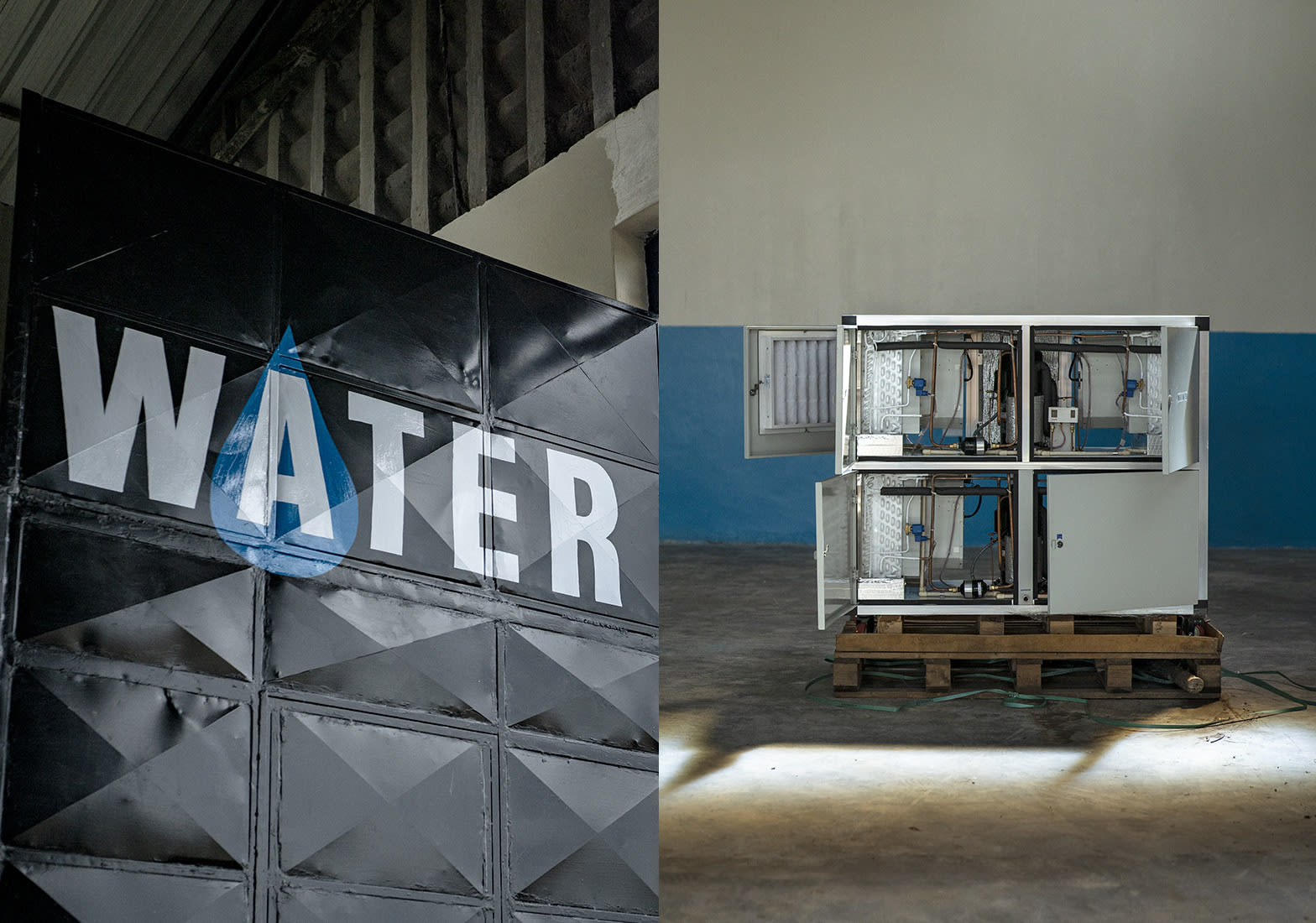
Kenyan entrepreneur Beth Koigi is deploying a piece of technology that is addressing one of the world’s most pressing and complex problems: water scarcity. Her atmospheric water generators (AWGs) draw, filter and mineralize water from the air, all in one unit, powered by solar energy. Her company, Majik Water, is installing the machine in arid and semi-arid regions, providing a crucial resource to those who need it most.
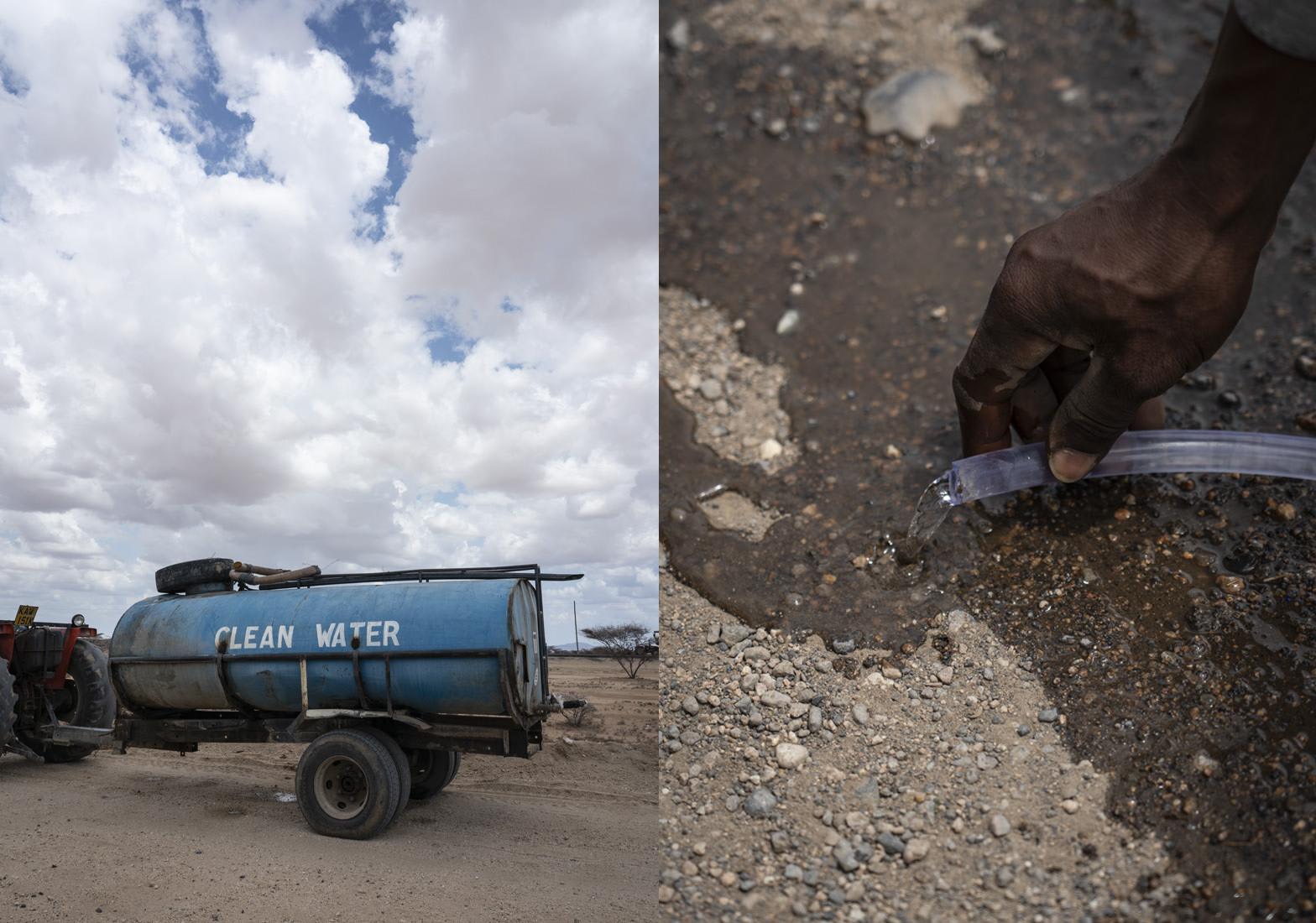
Growing up in the lush greenery of Limuru, Kenya, Koigi was surrounded by abundant fresh water. When she left home to attend university, she was shocked to find much of the country arid, and its people struggling for water. She designed a simple and affordable water filtration system and began travelling around Kenya selling it. However, she soon realized the extent of the problem was far beyond her home-made water filter as more than 50 per cent of people in the East African nation do not have access to clean drinking water.

In 2017, alongside Canadian environmental scientist Anastasia Kaschenko and Oxford economist Clare Sewell, Koigi co-founded Majik Water, a social enterprise which installs AWGs in off-grid communities. Today, Majik Water has deployed 20 high volume and 10 small scale machines that produce over 200,000 litres of water a month.
The atmosphere contains six times as much water as all of the Earth’s rivers combined, and Koigi’s AWGs take advantage of this. A fan pulls in air and passes it over a cold surface. Like a cool glass of lemonade on a hot day, water droplets condense on the surface. The water is then filtered and essential minerals like calcium and magnesium are added to make it drinkable.

There is always some level of humidity in the air.
Although the technology works best in higher humidity, Majik Water deploys its machines in semi-arid and arid regions, where they are most needed. According to Koigi, “there is always some level of humidity in the air”. Even at just 30 per cent humidity, the AWGs can collect enough water for people to drink.
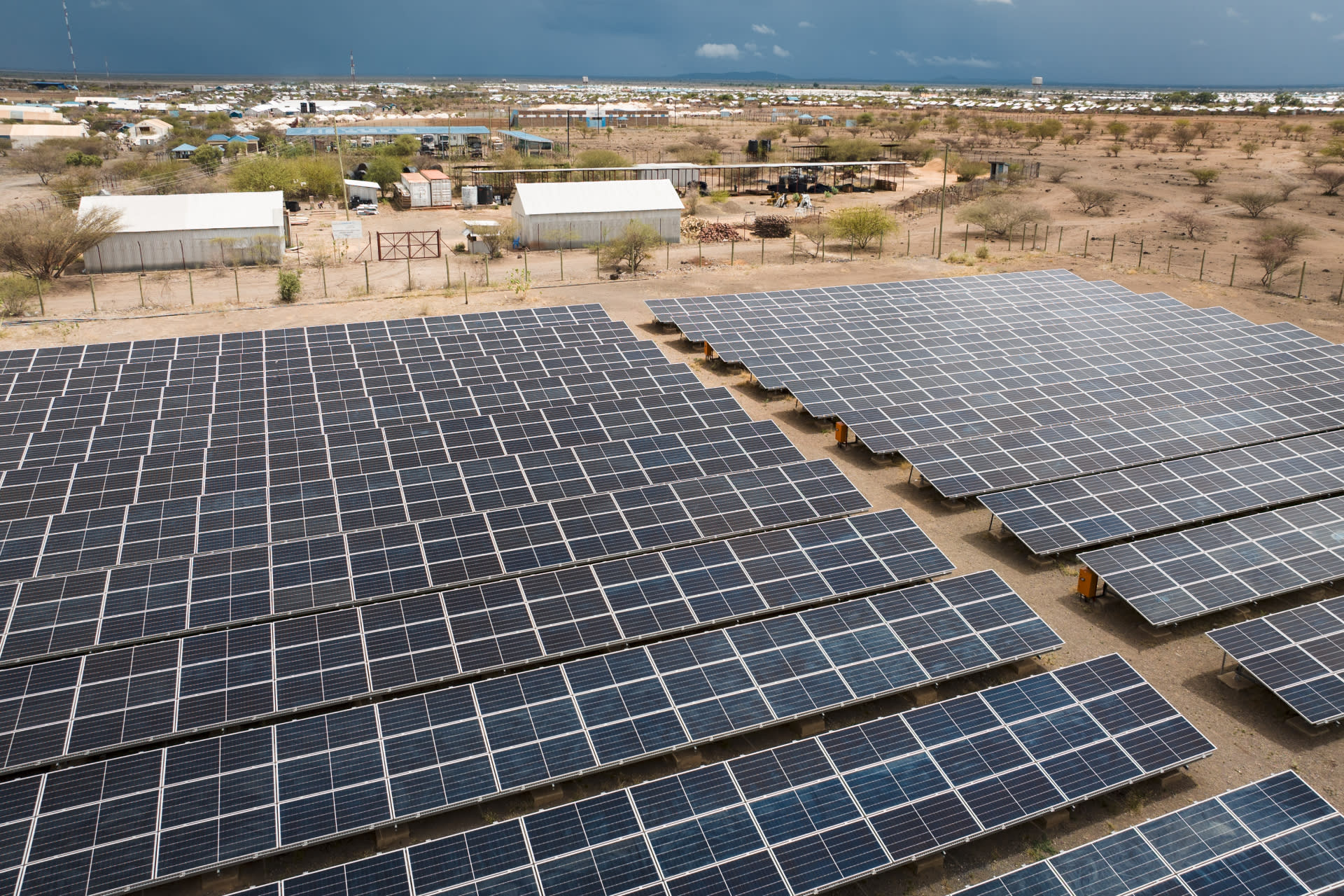
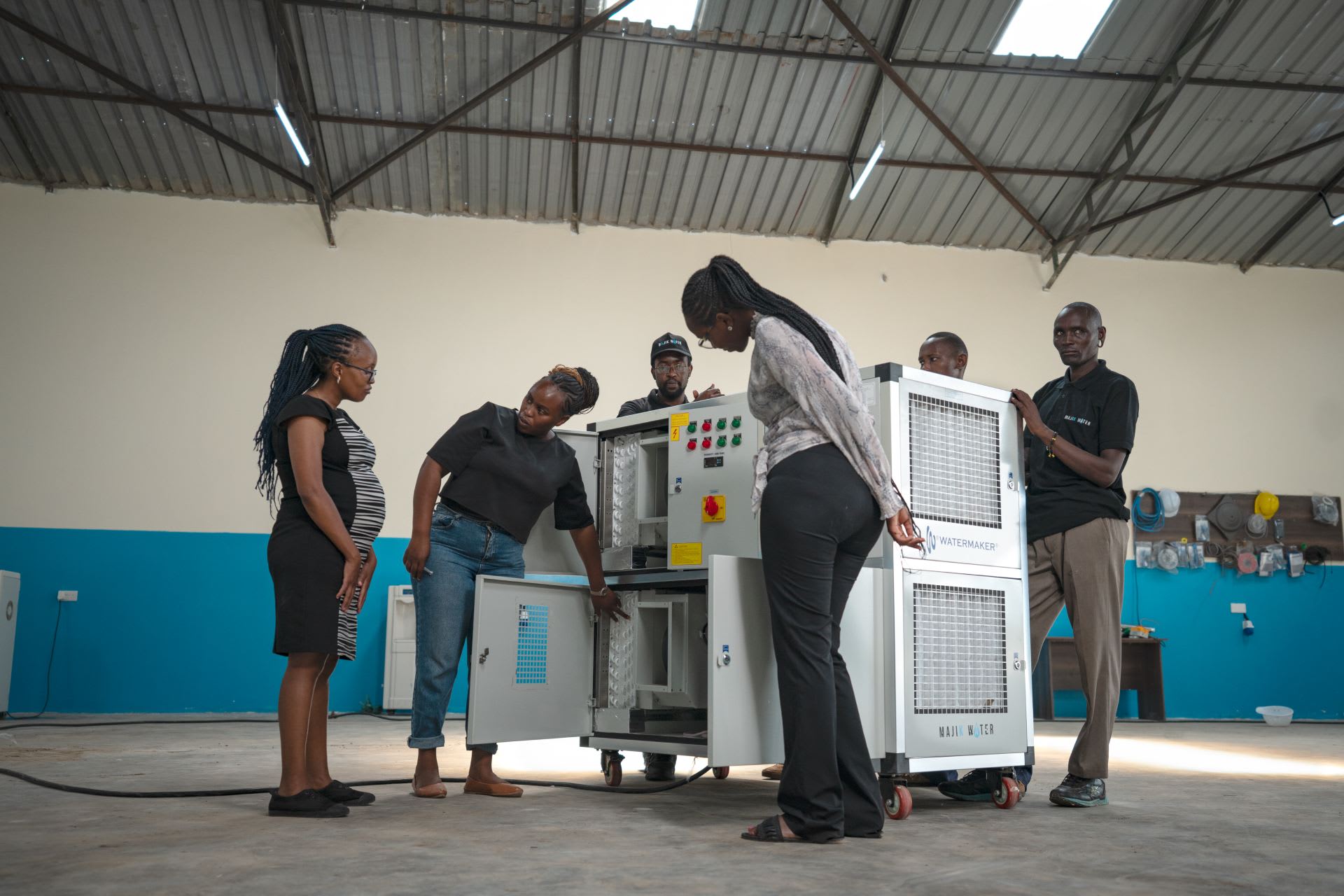
Koigi’s next venture is a series of “water kiosks” planned for the heart of one of the largest refugee camps in Africa, Kakuma Refugee Camp and Kalobeyei Integrated Settlement in northern Kenya’s extremely arid region of Turkana. Majik Water has already set up a local shopkeeper with the first AWG to sell the water it generates at a fair price. The start-up has also partnered with a solar farm to power the machine and trained two electricians in basic maintenance. With this model, each AWG should pay for its own operating costs while providing 50 households with clean drinking water daily.

Ultimately, Koigi wants communities to become self-sufficient and resilient against the warming climate. She recognizes that the time is now to implement solutions, having seen the lush waterways of her hometown dry up during a recent drought. Creating a future where people can adapt is a key part of her work, and there is no resource more needed than clean water.